
Branded clothing
Branded apparel your team will actually wear - not just keep in a drawer.
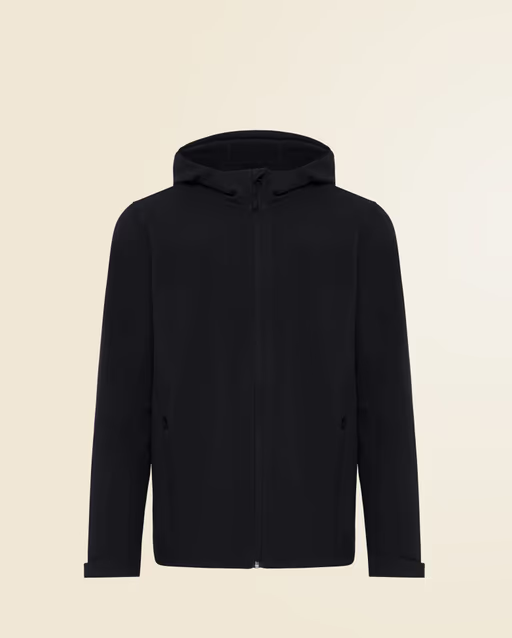
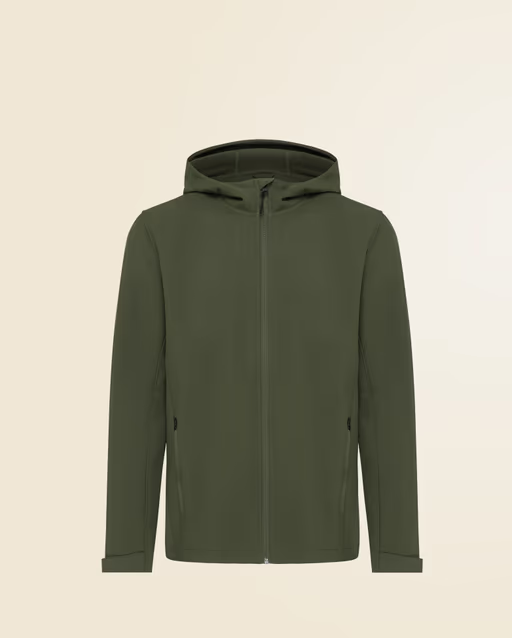
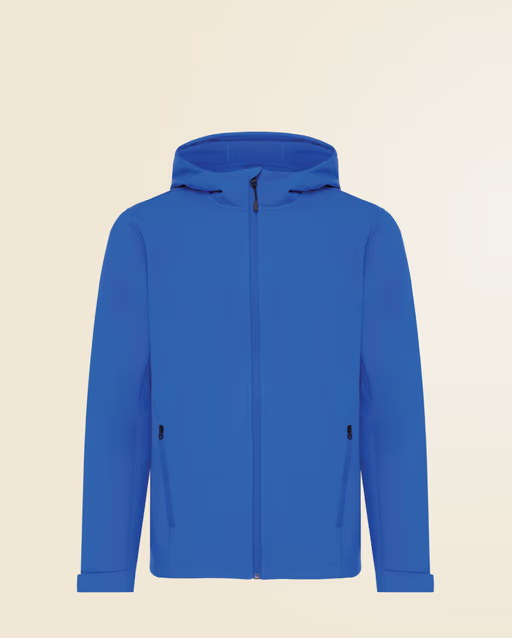
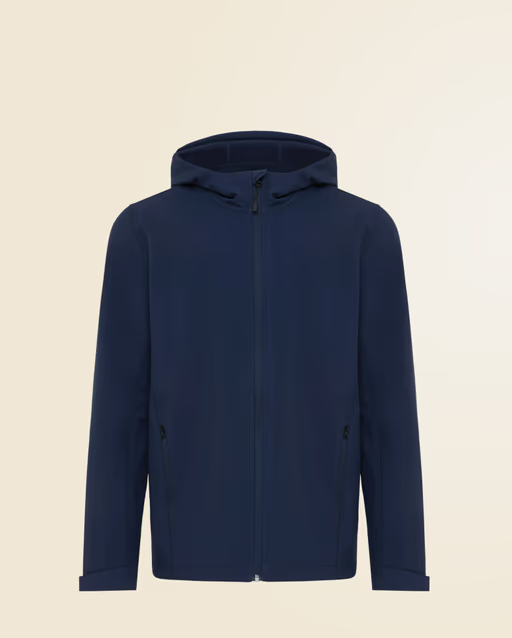
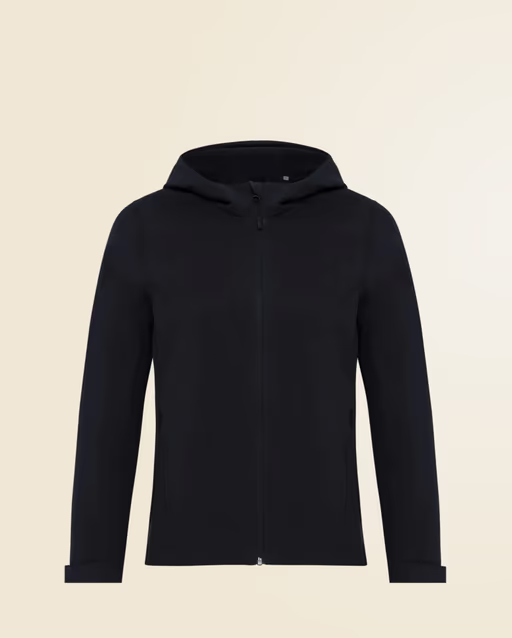
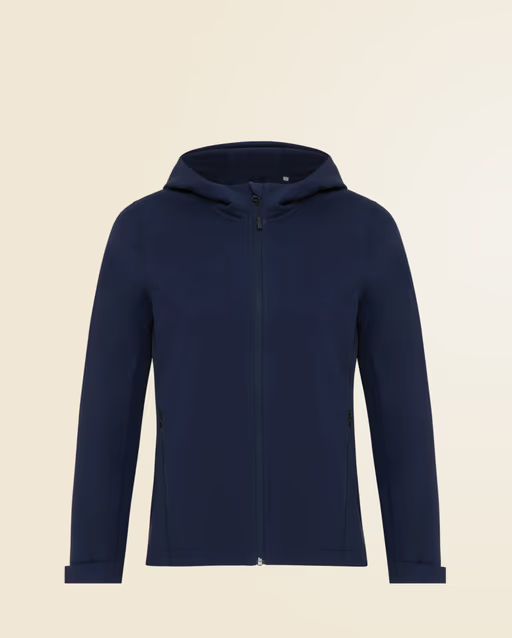
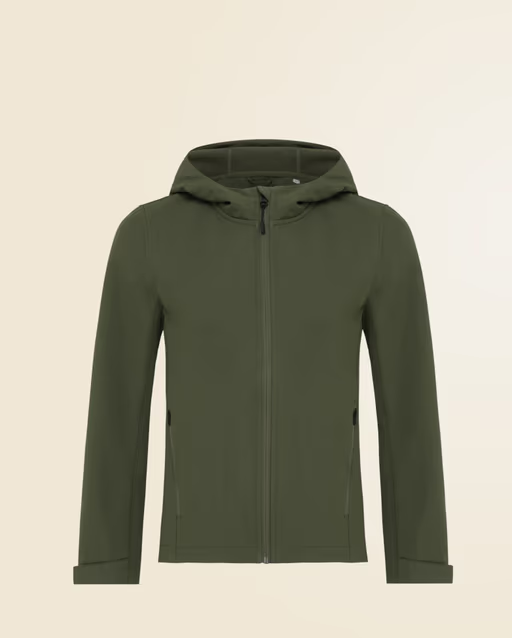
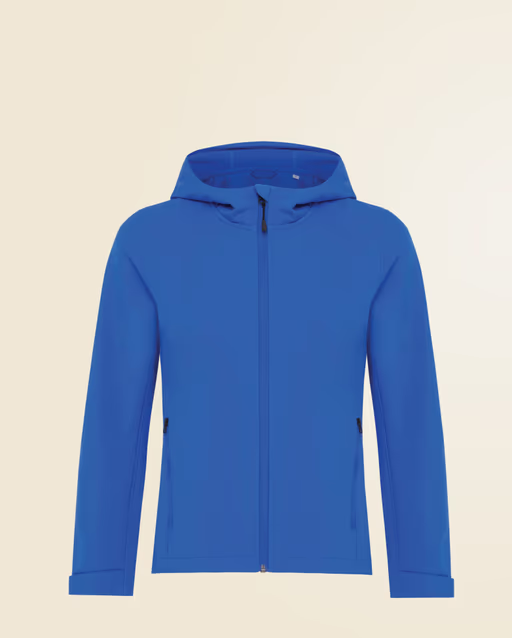
Frequently Asked Questions about Apparel
Branded clothing
Branded clothing is the most involved category to order - and also the most visible one once it lands. Unlike bags or drinkware, clothing requires collecting sizes from every recipient. That process - chasing responses, handling late replies, accommodating people who join after the order closes - is where most company clothing programs run into trouble. Getting the coordination right upfront is what makes the rest straightforward.
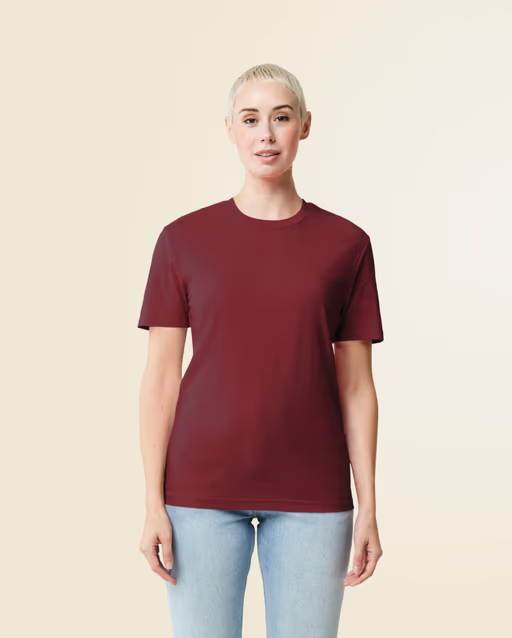
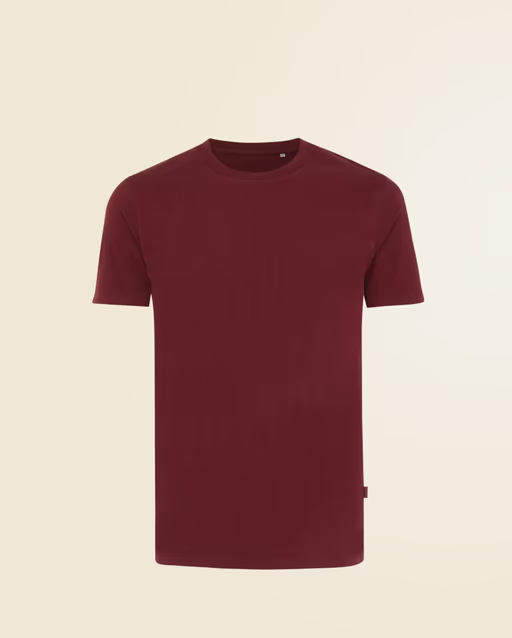
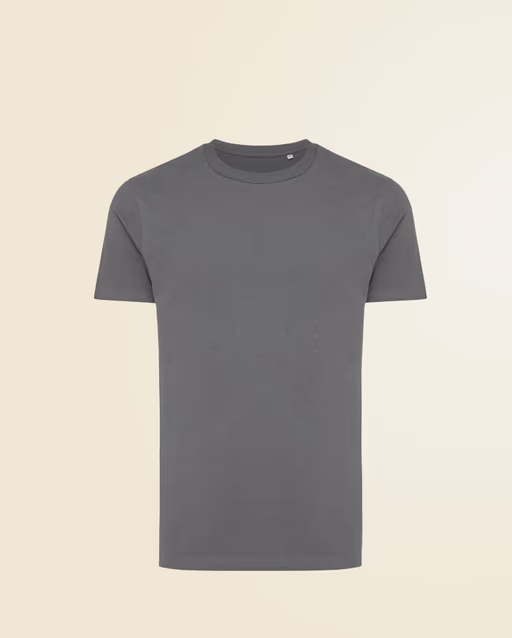
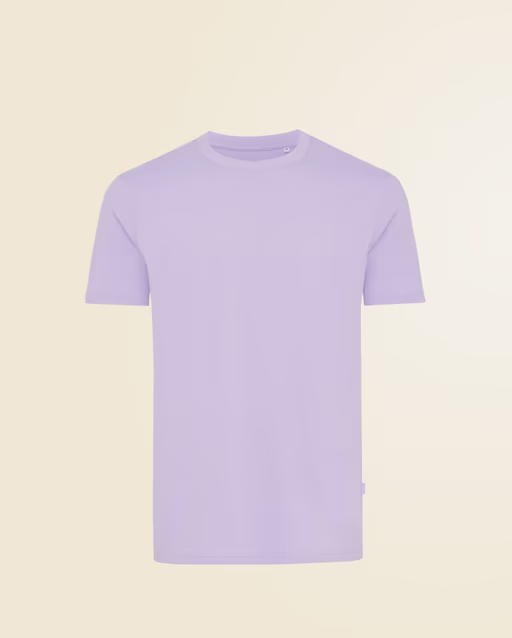
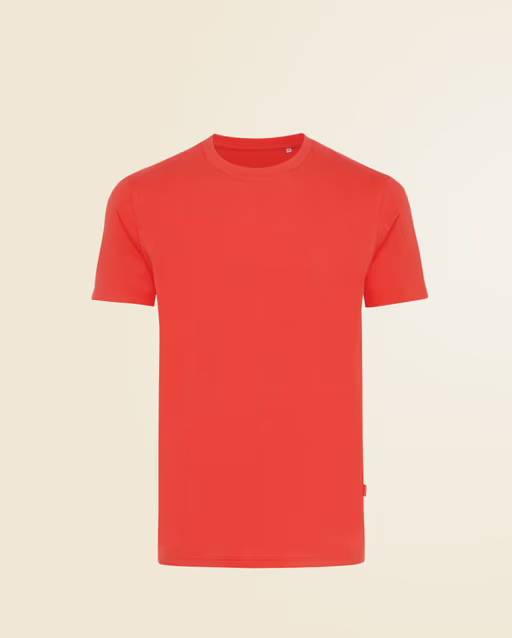
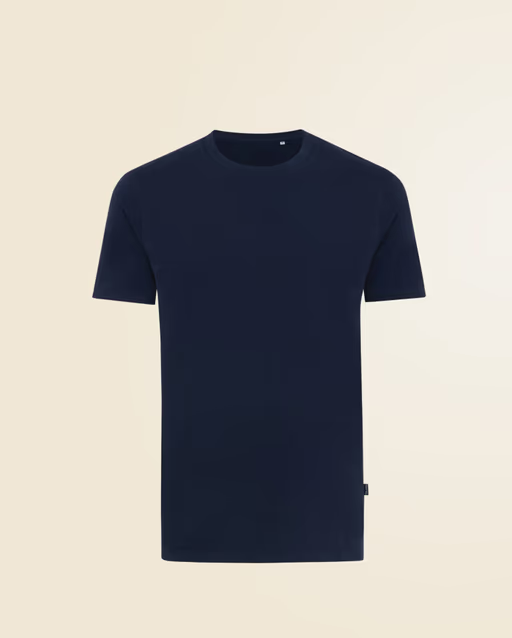
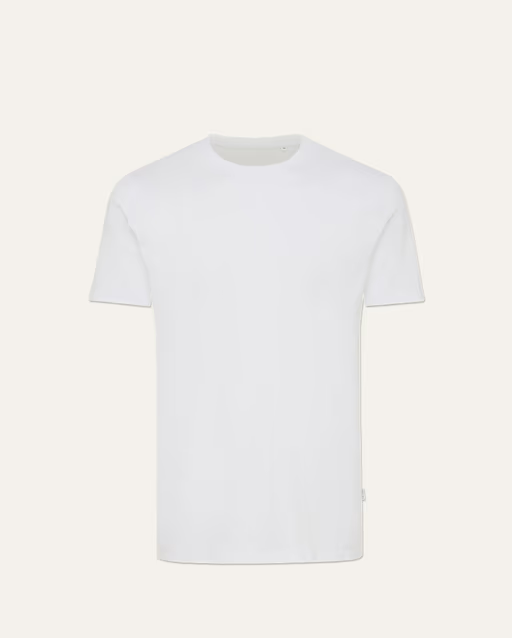
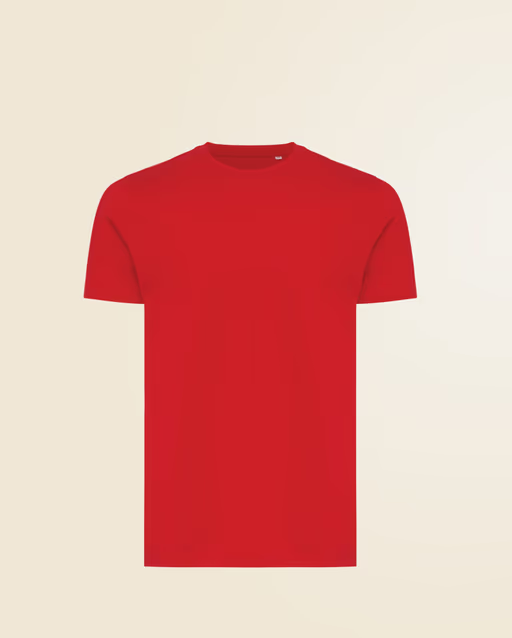
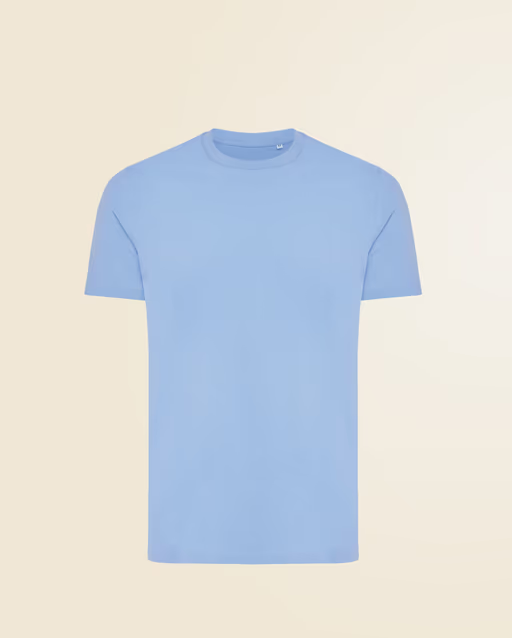
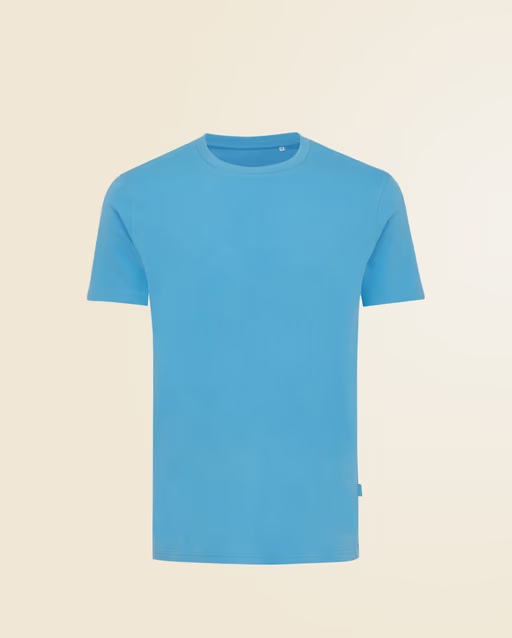
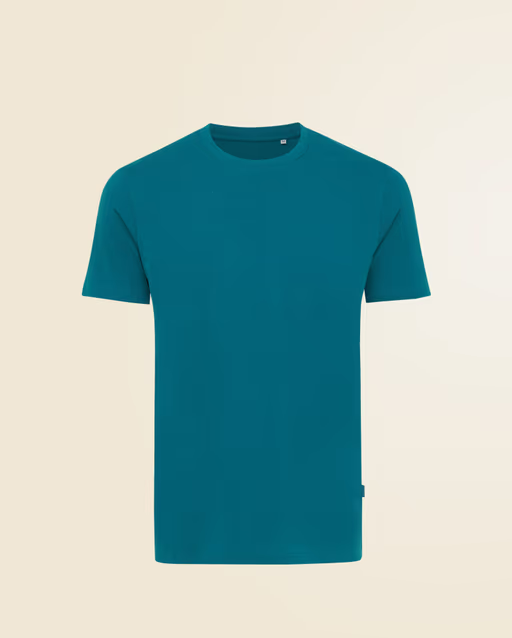
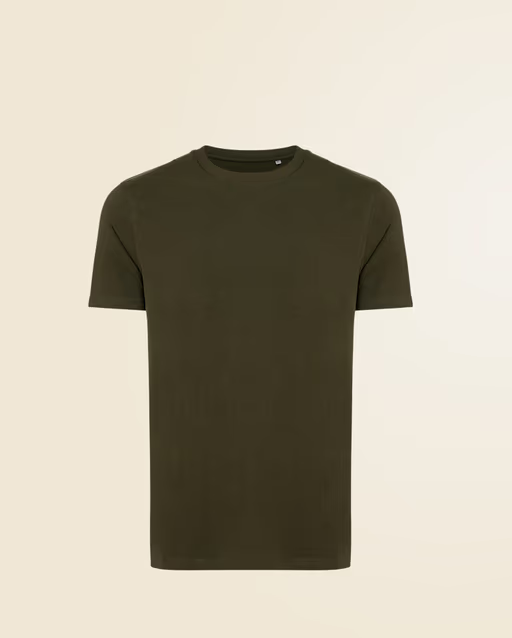
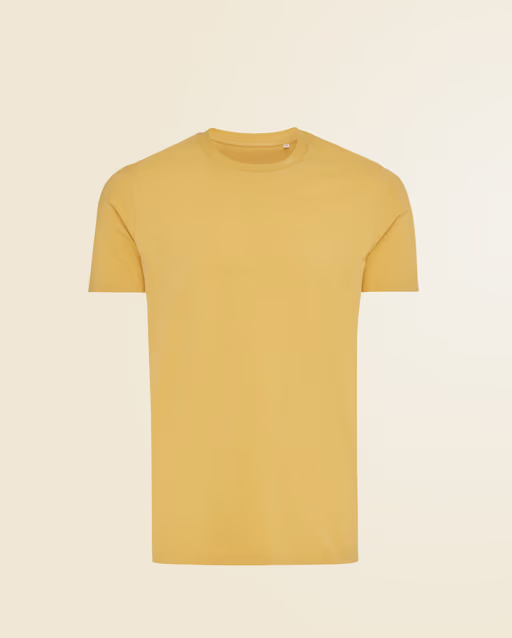
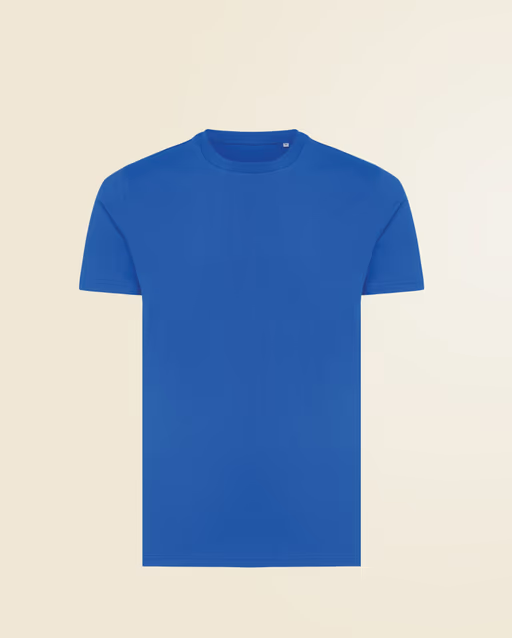
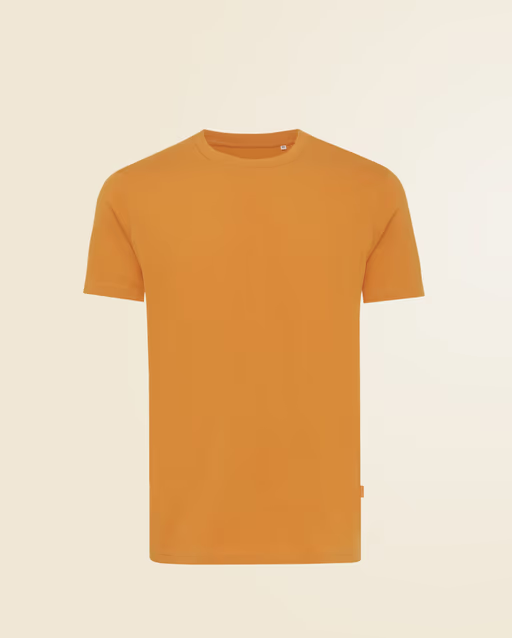
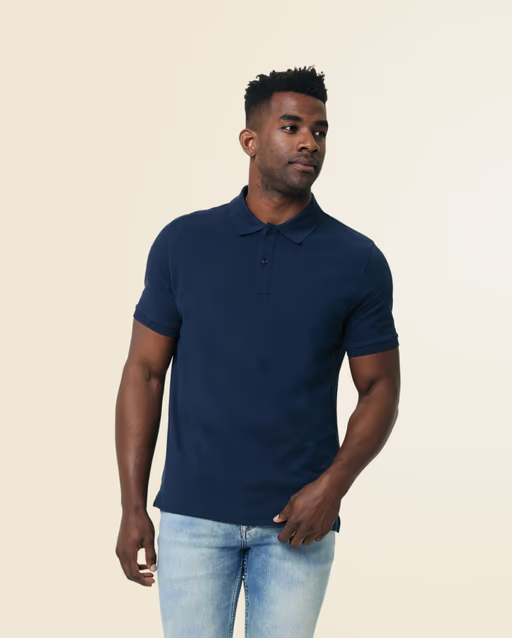
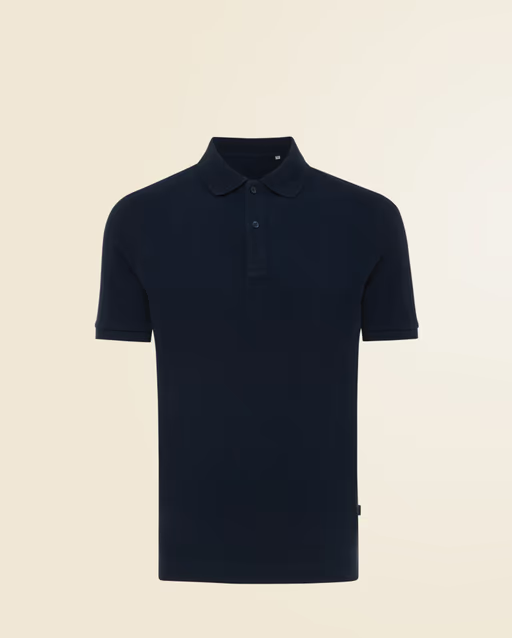
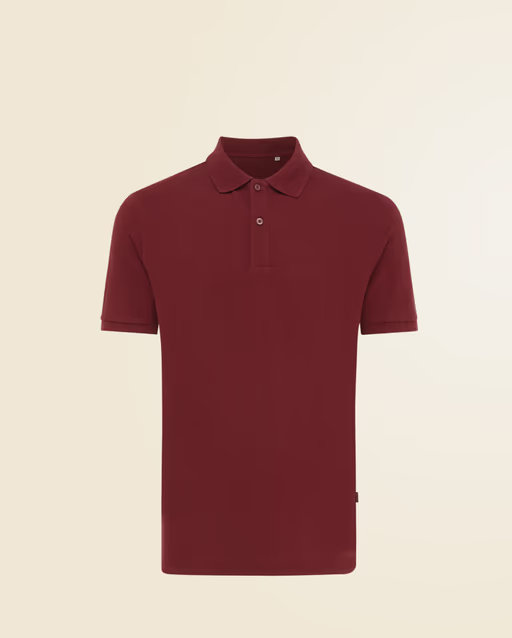
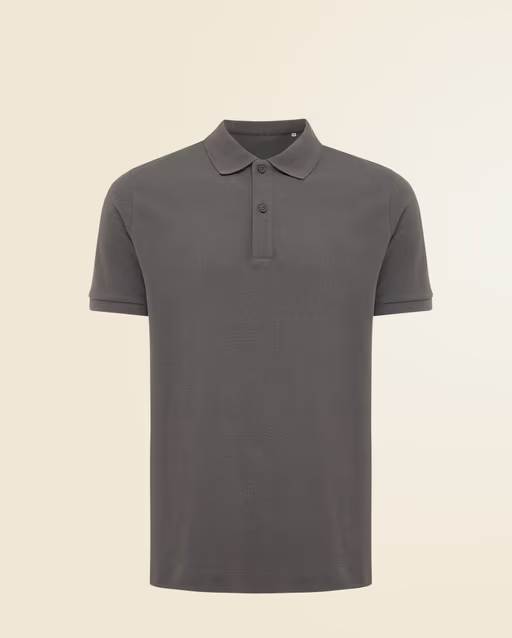
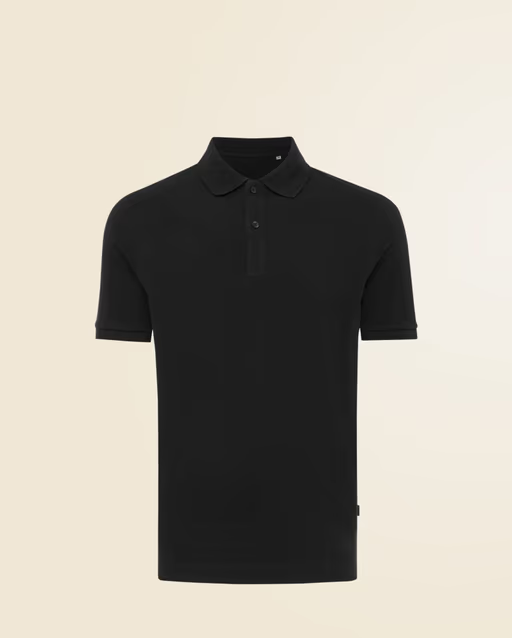
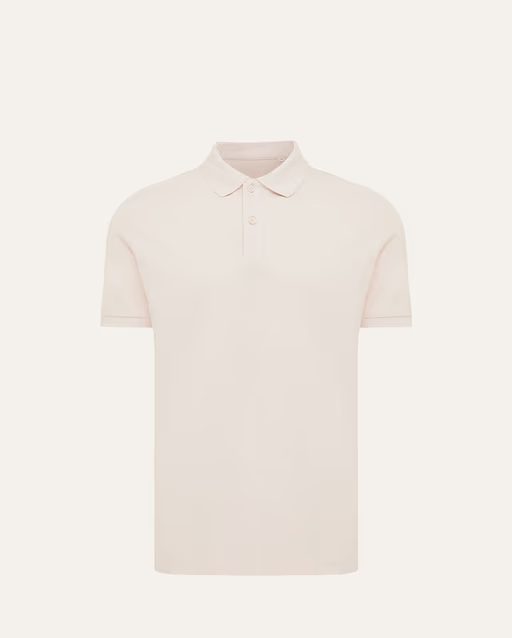
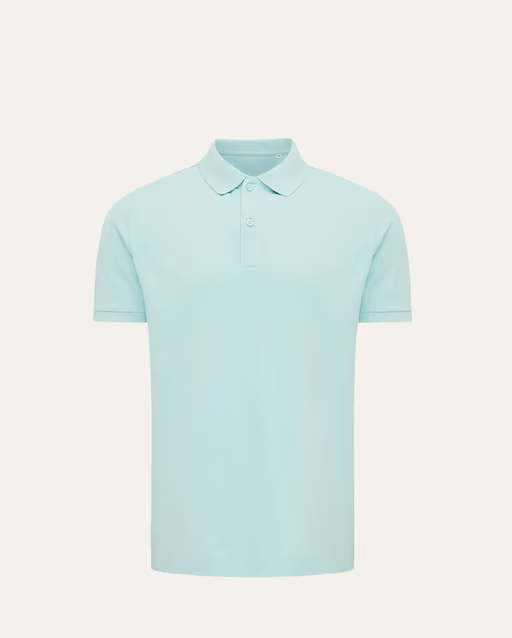
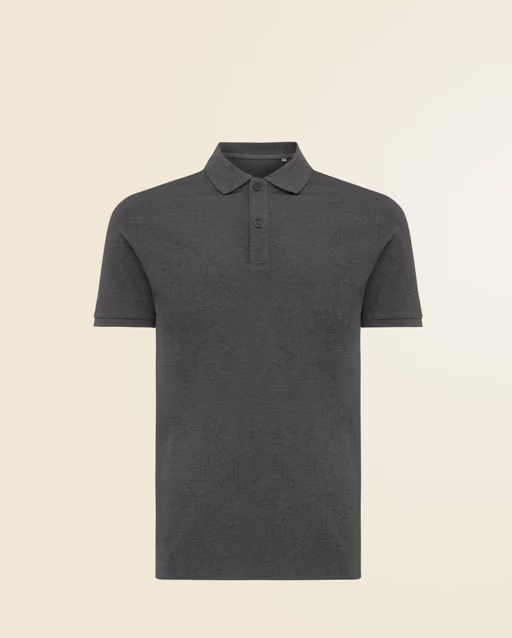
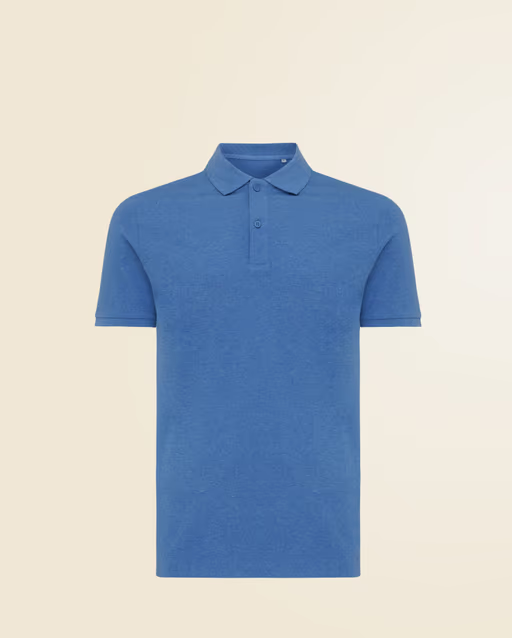
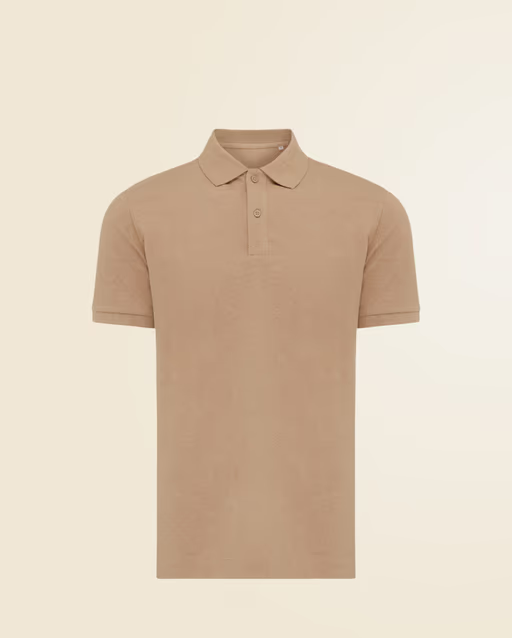
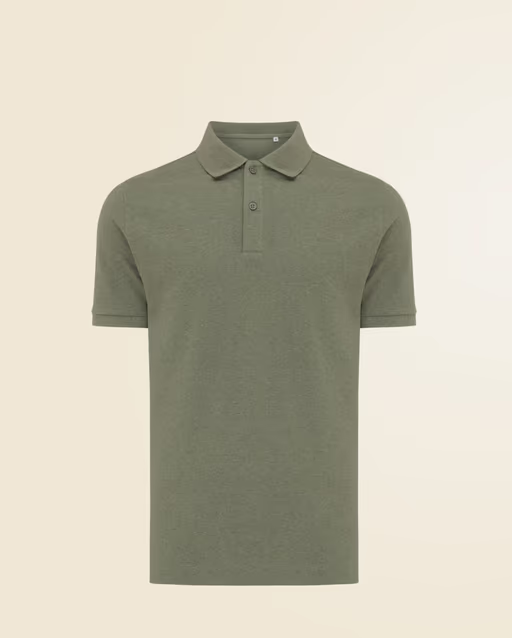
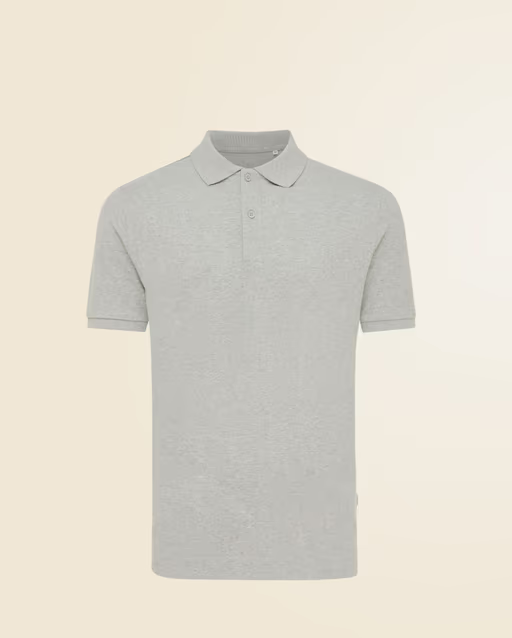
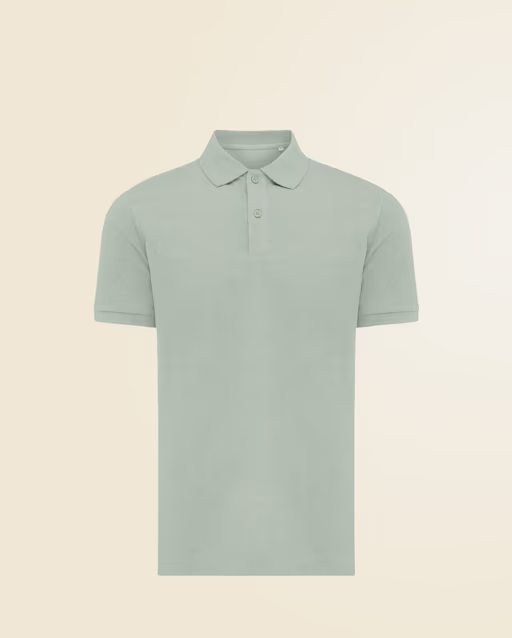
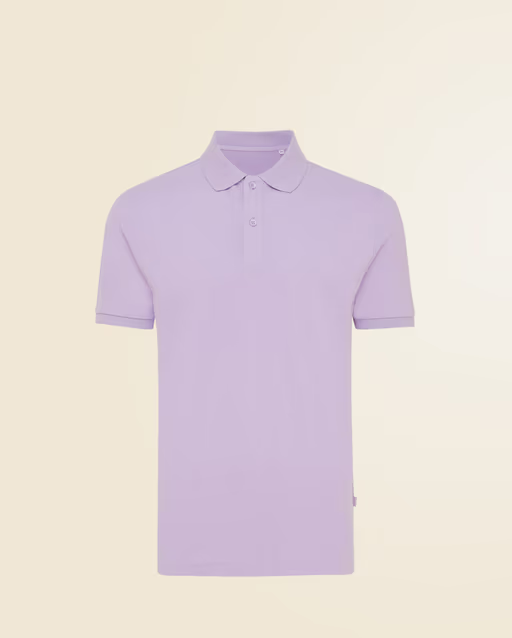
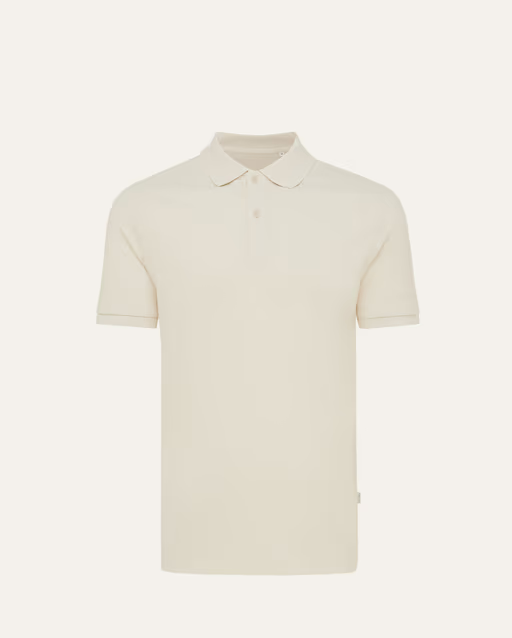
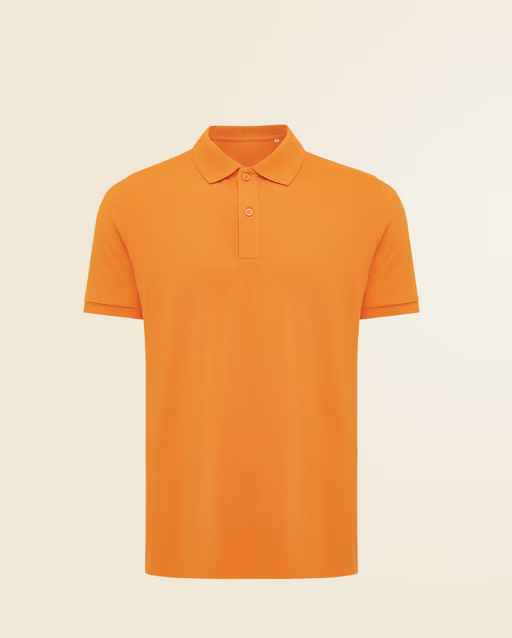
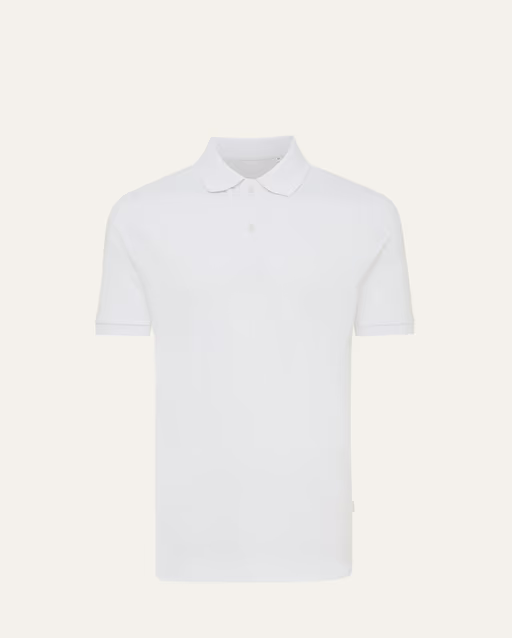
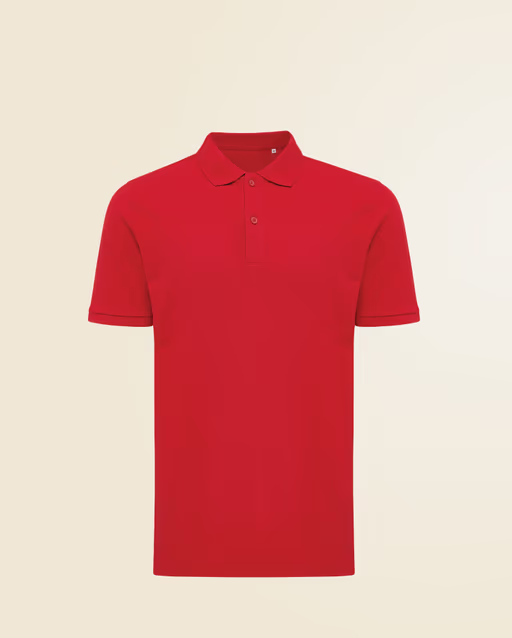
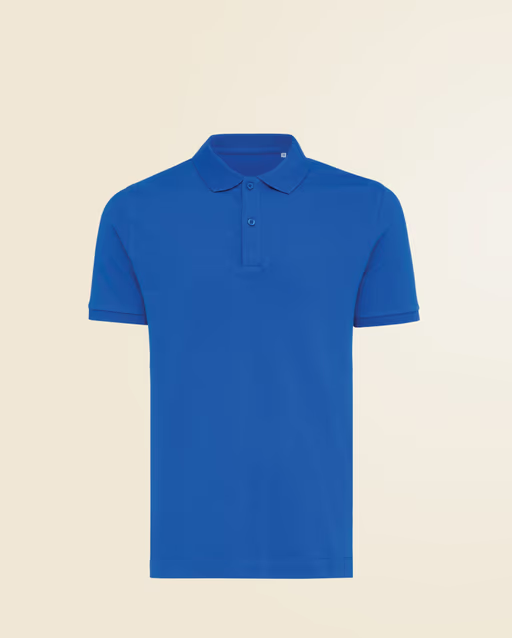
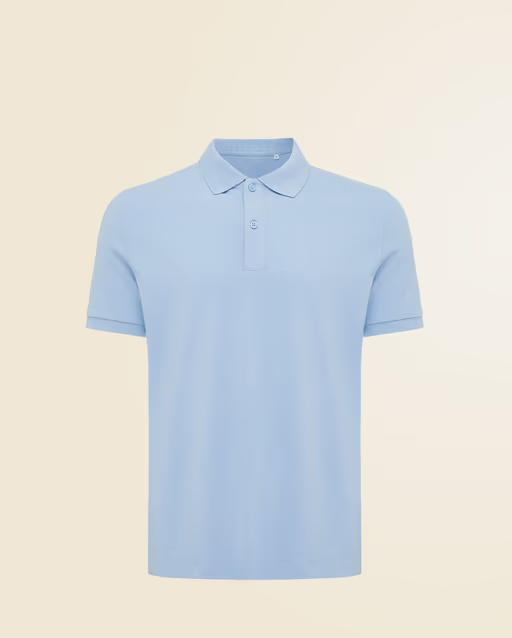
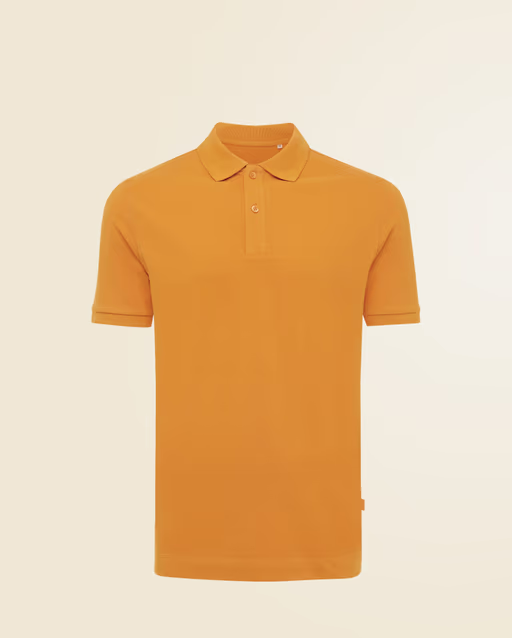
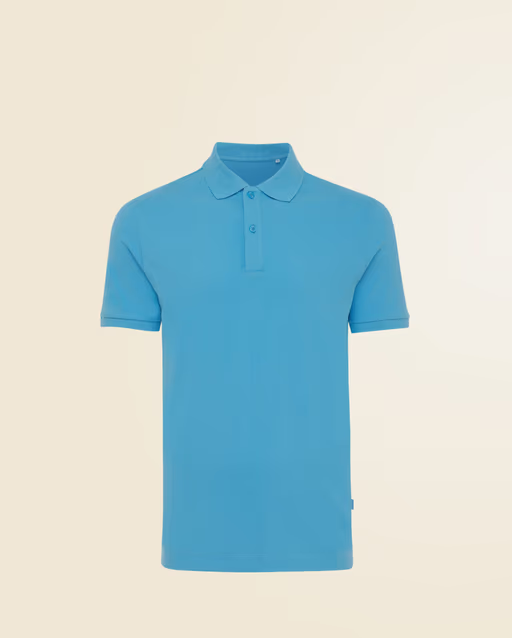
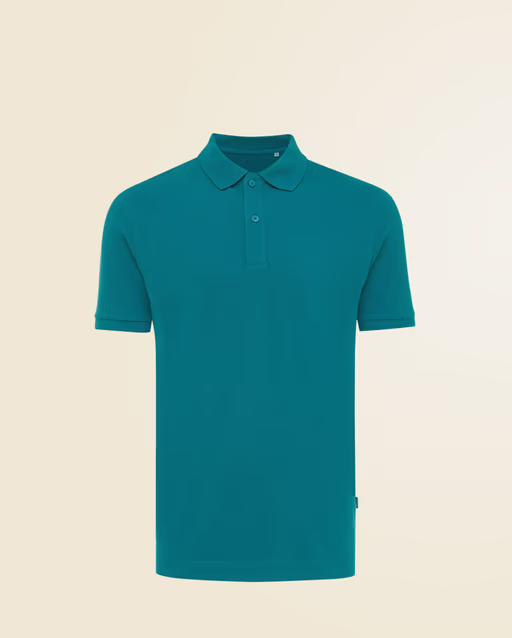
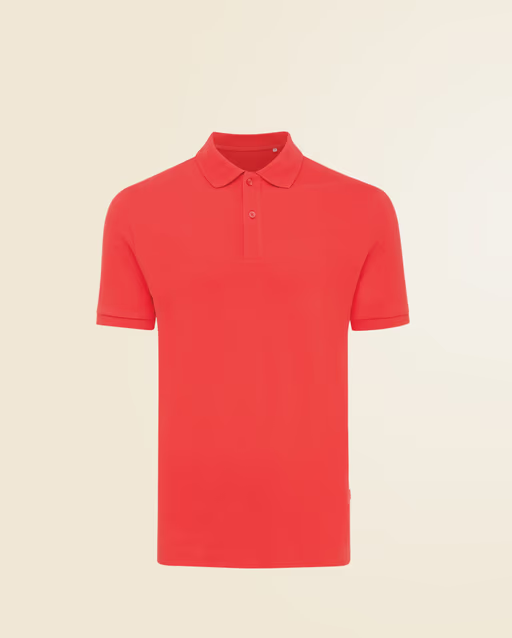
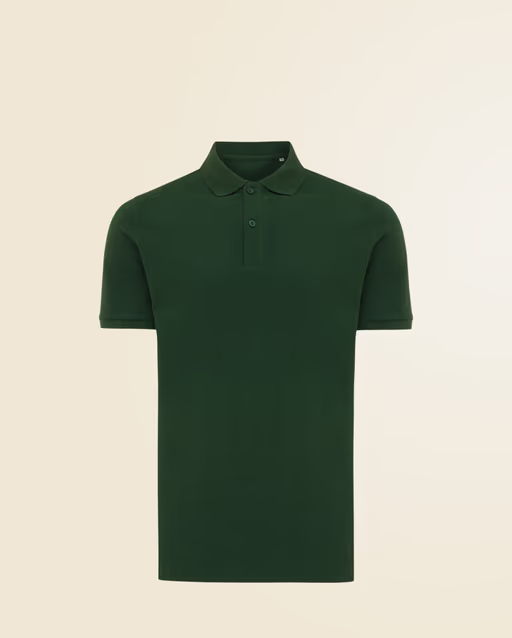
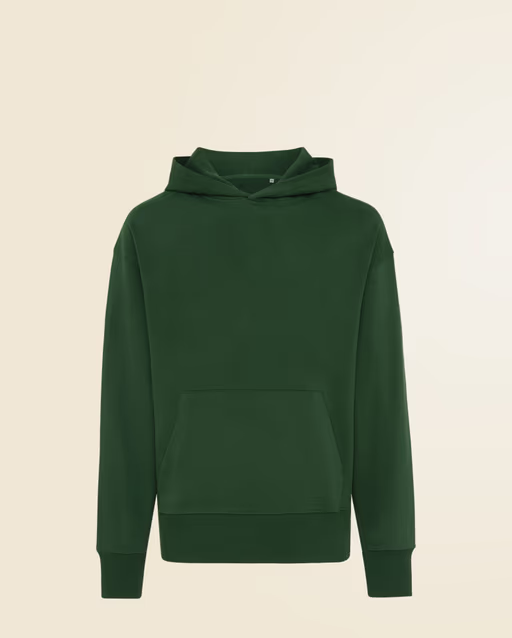
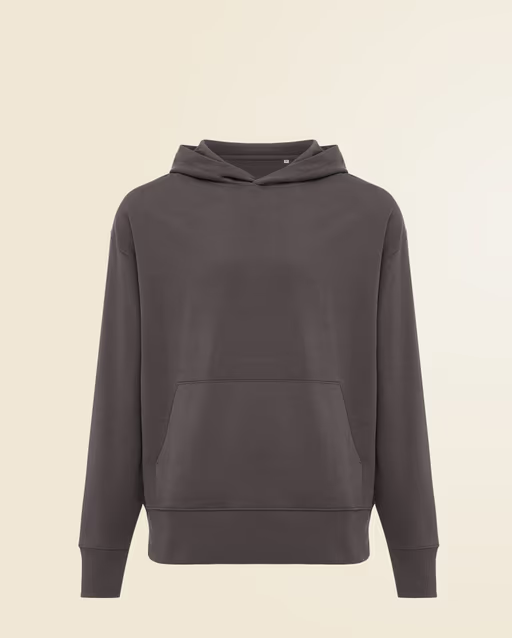
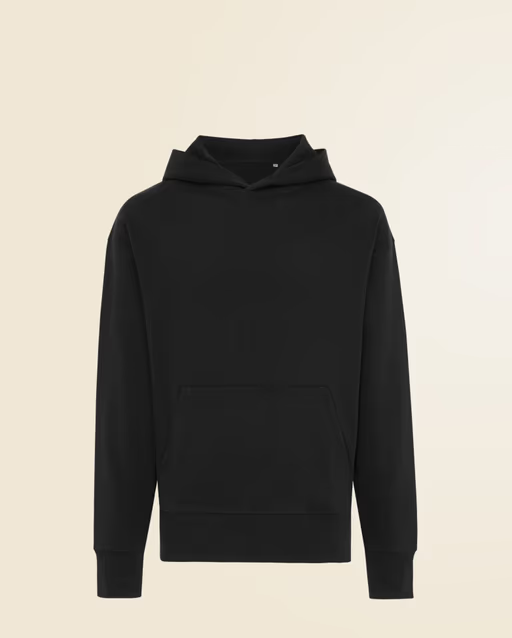
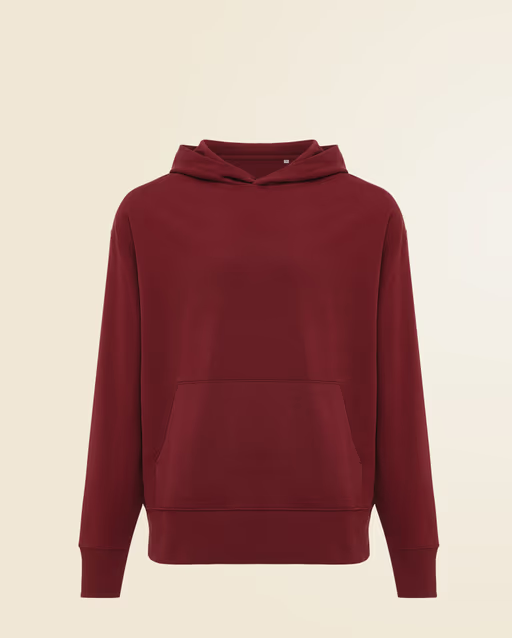
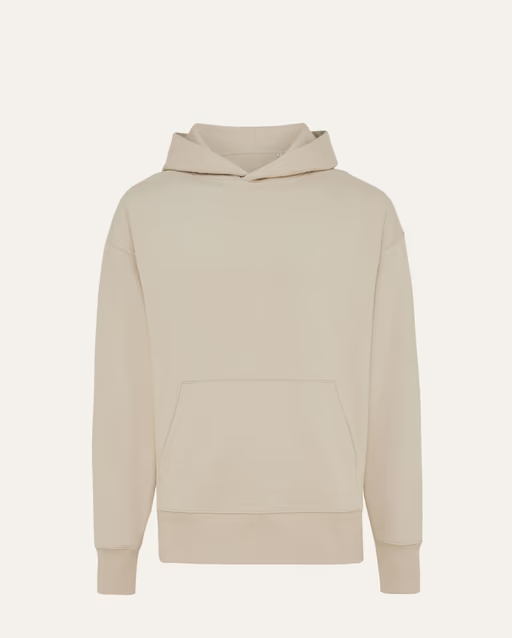
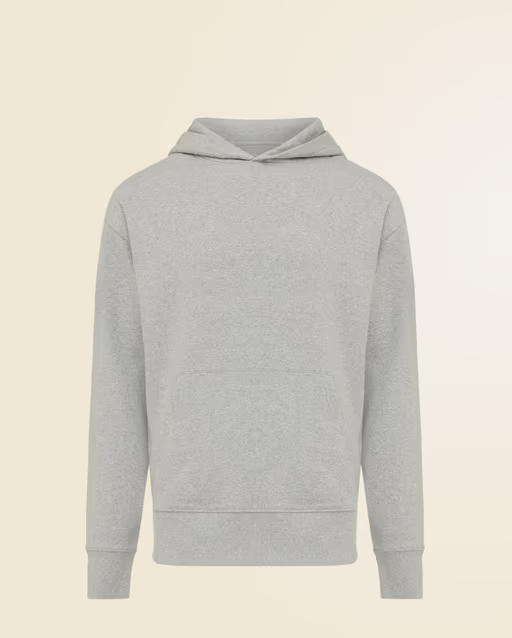
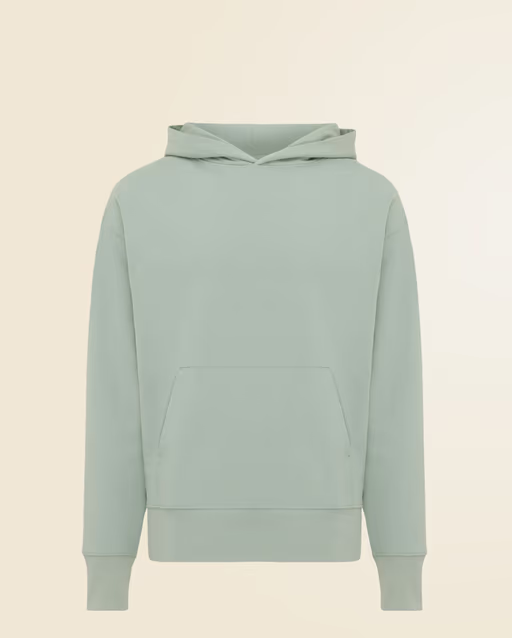
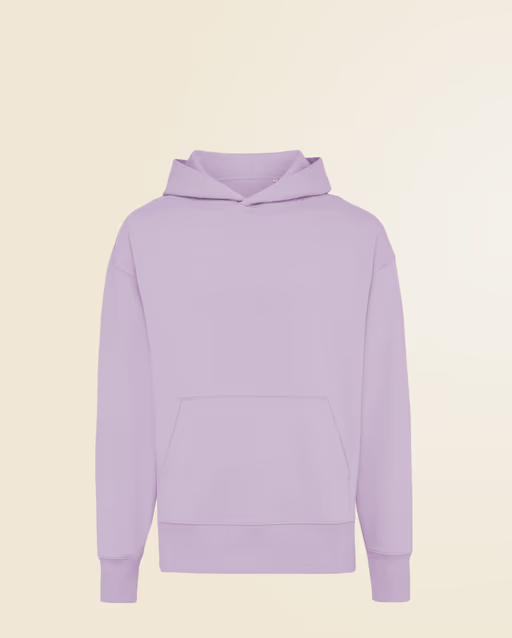
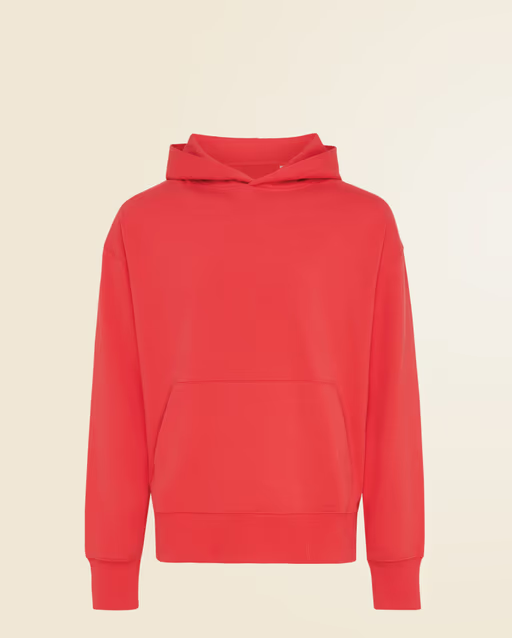
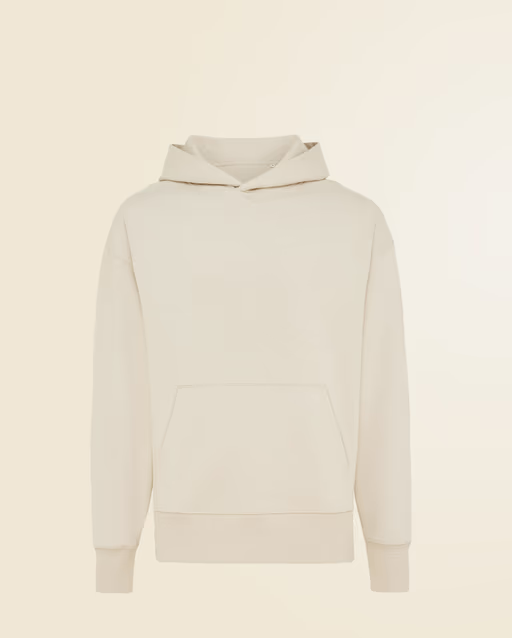
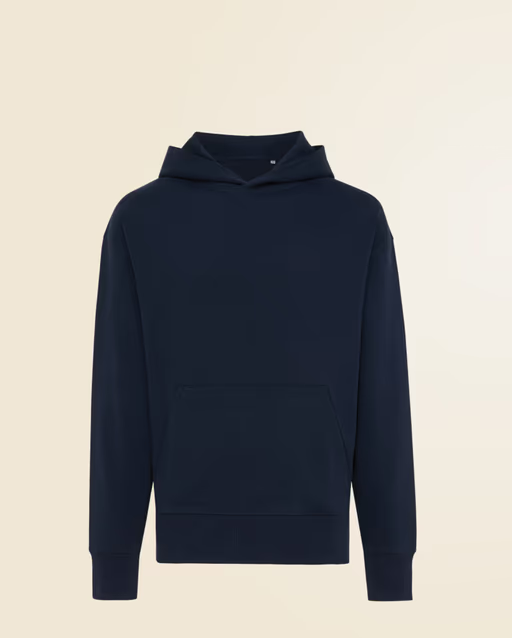
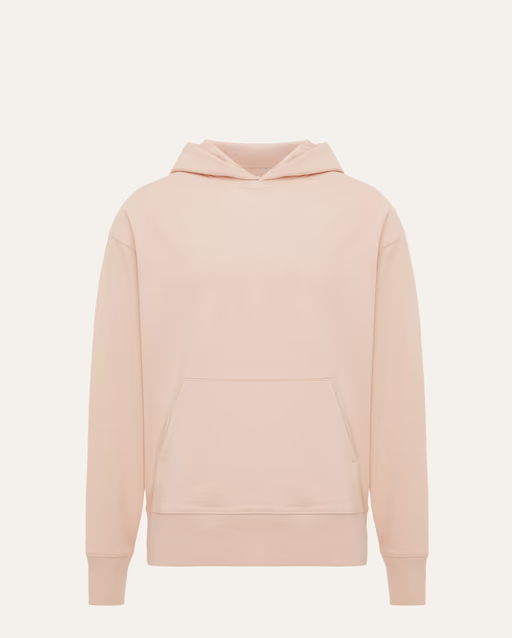
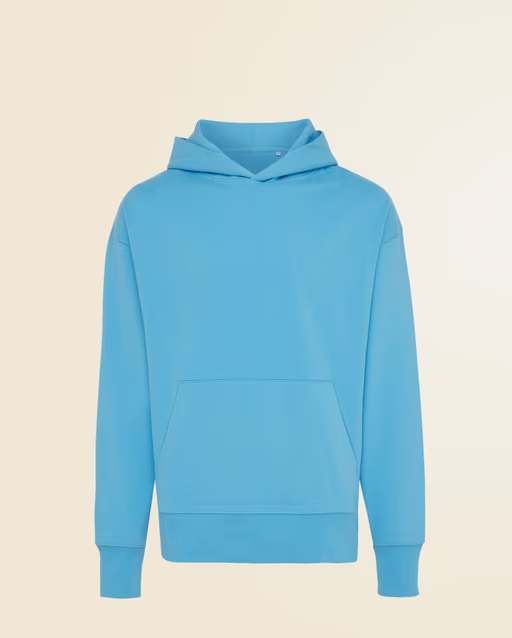
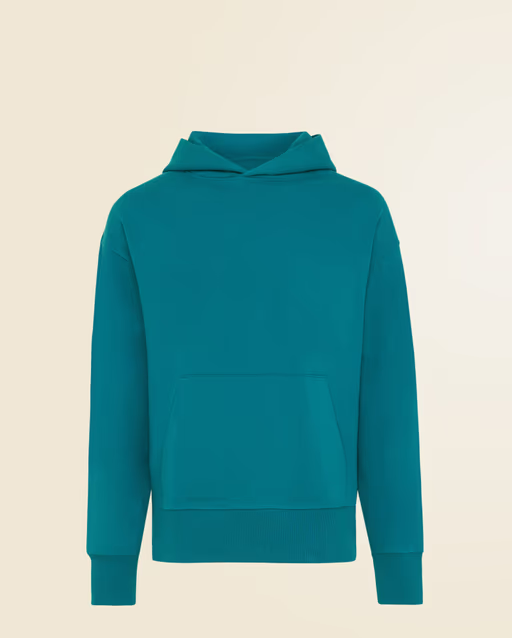
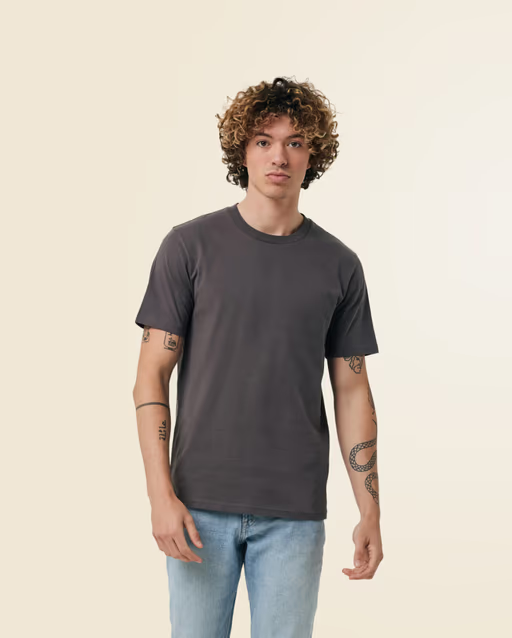
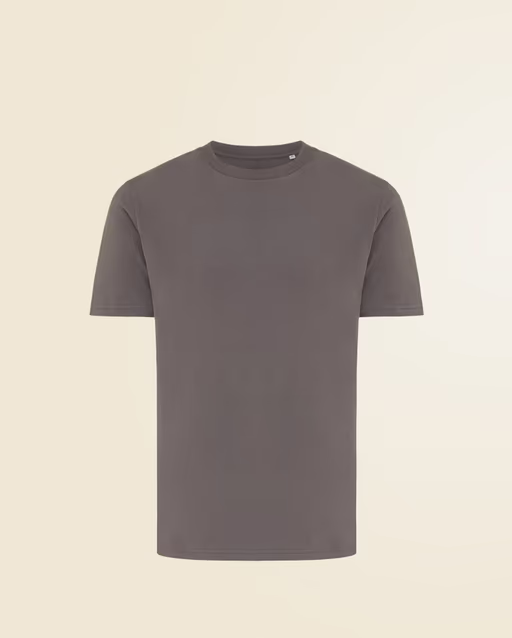
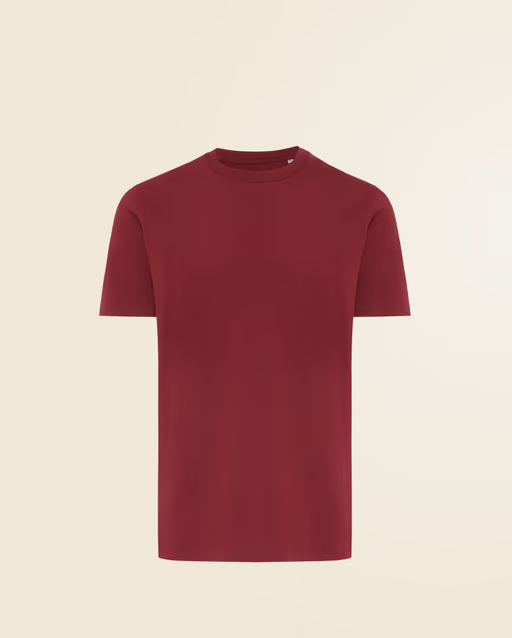
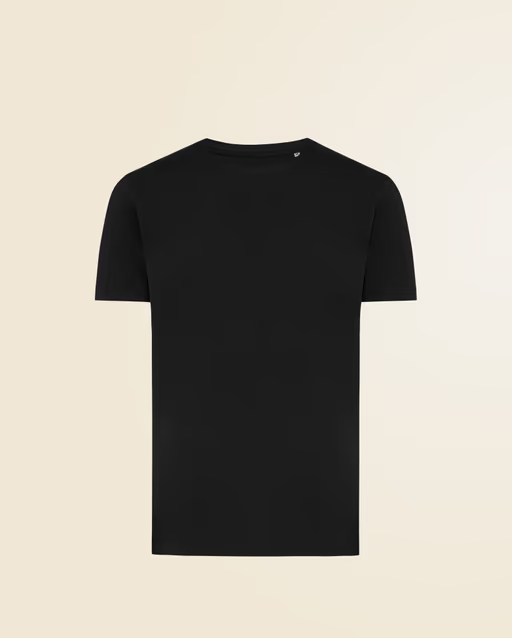
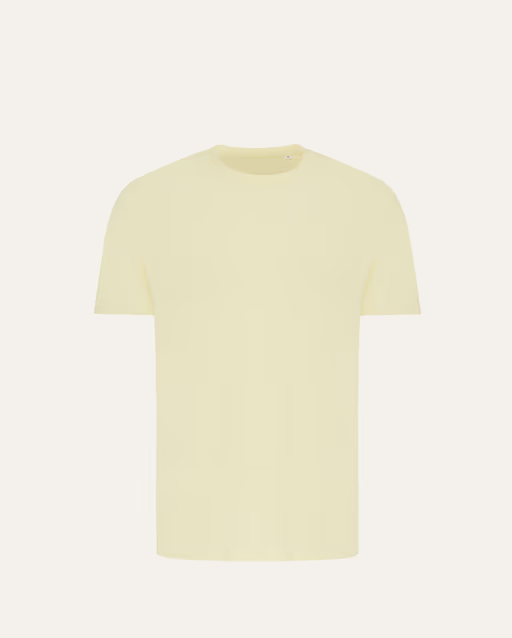
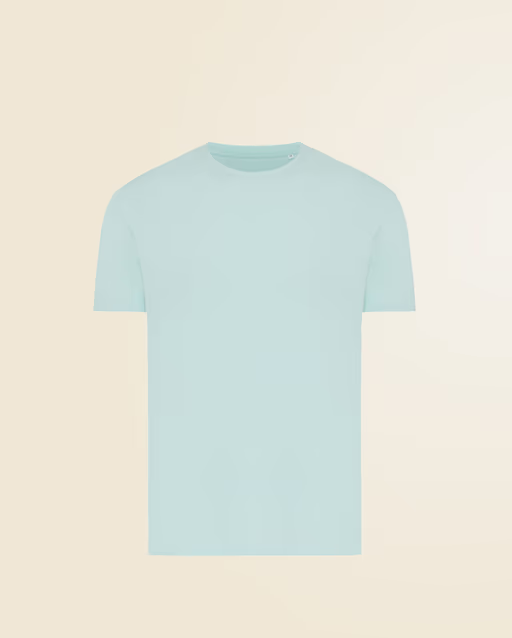
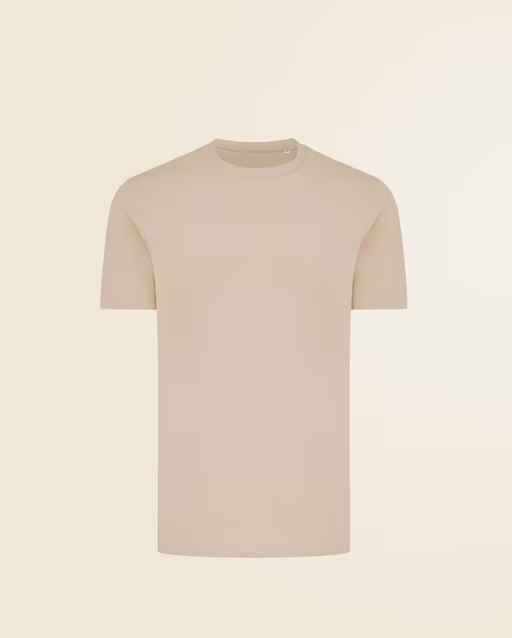
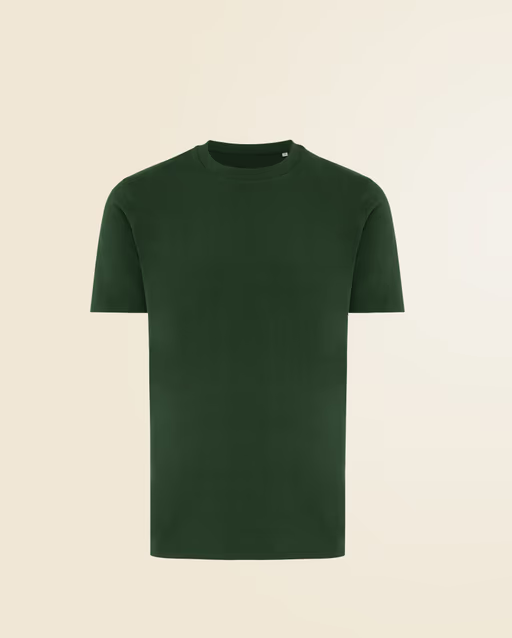
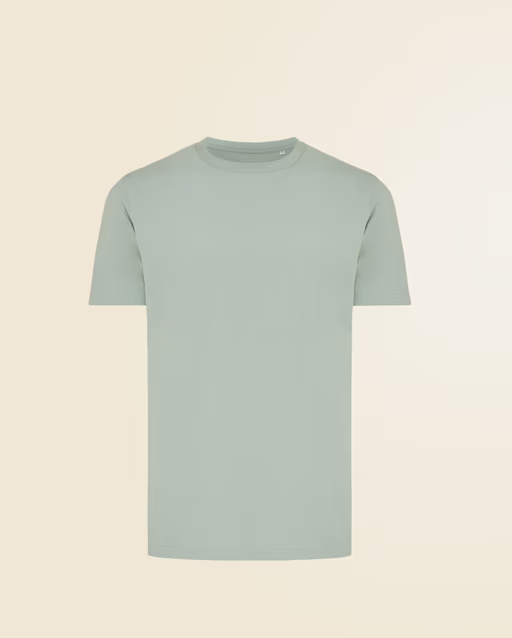
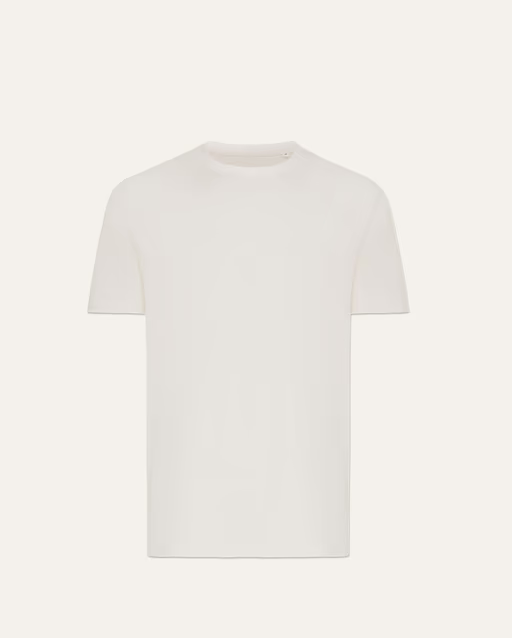
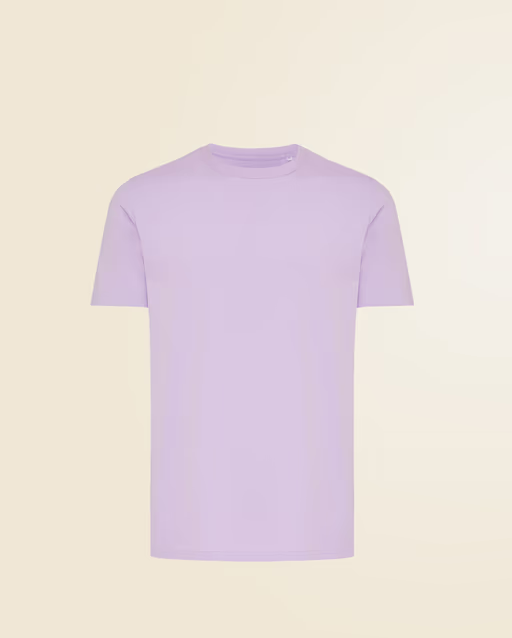
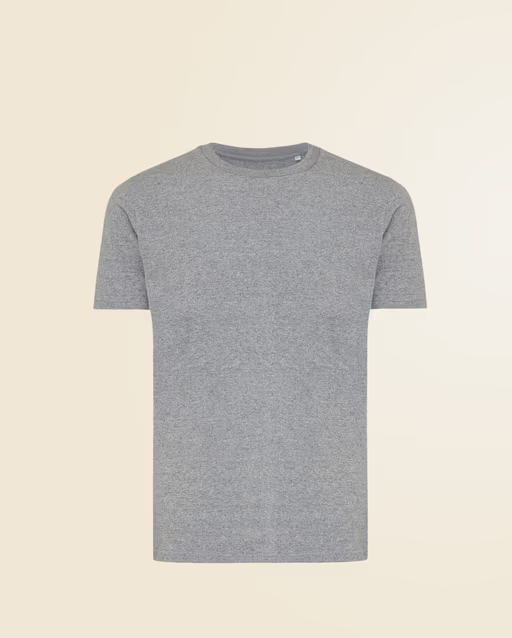
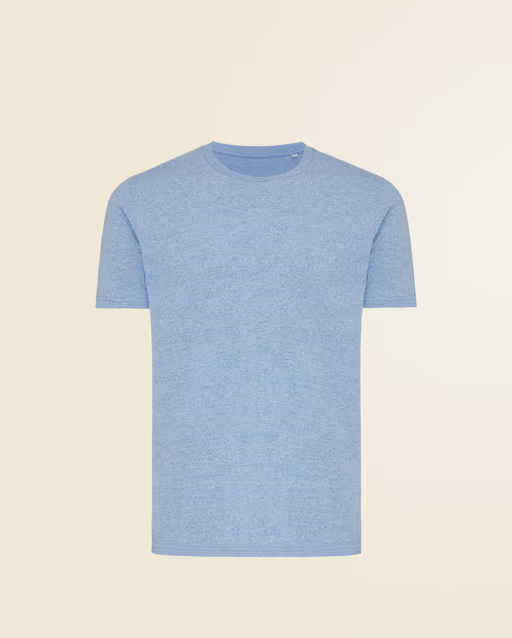
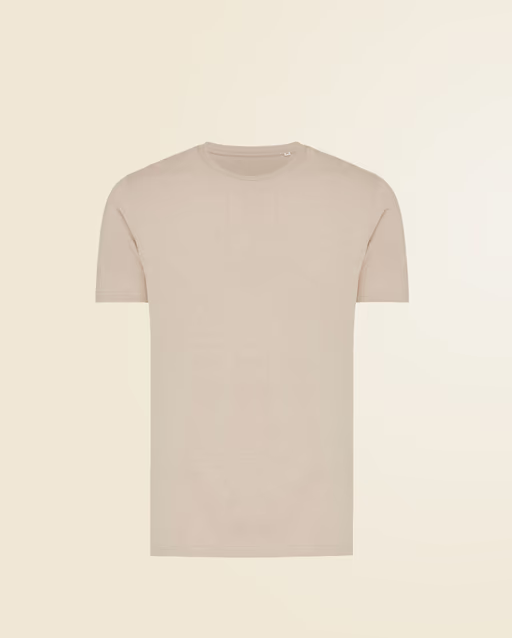
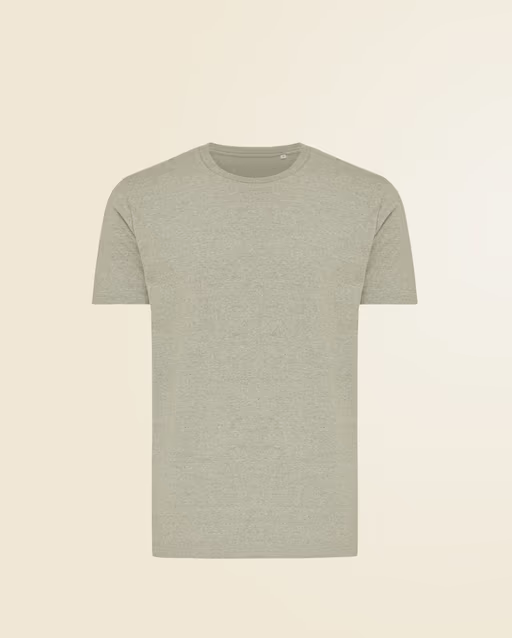
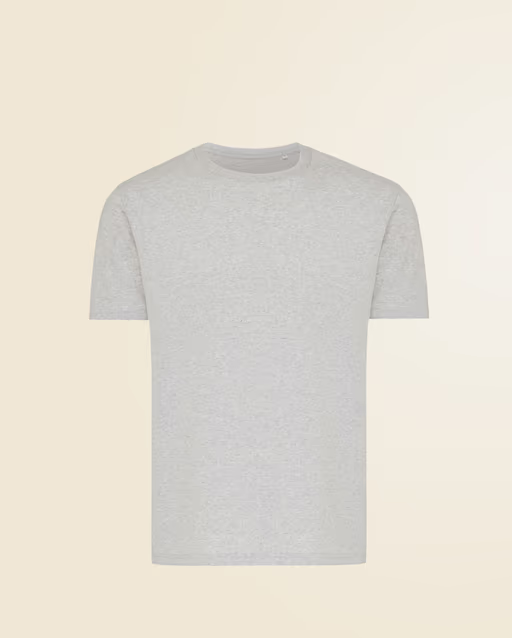
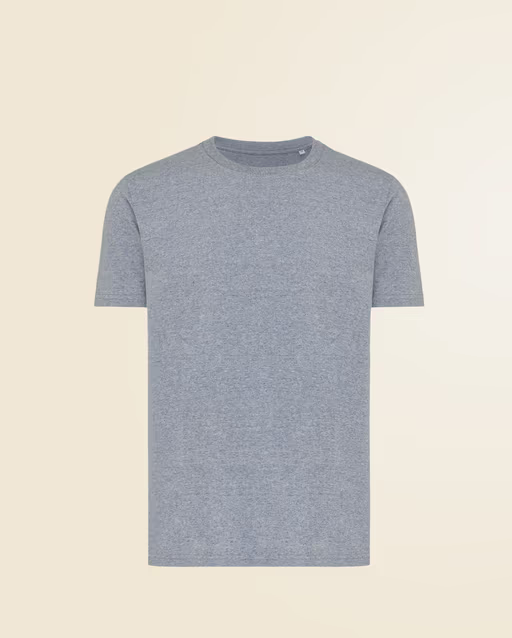
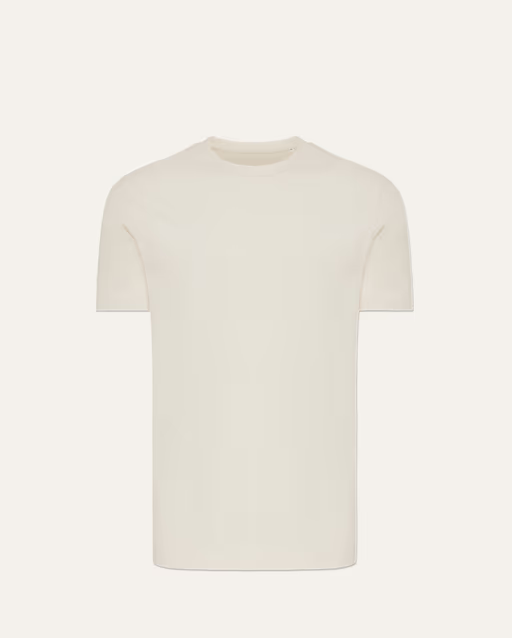
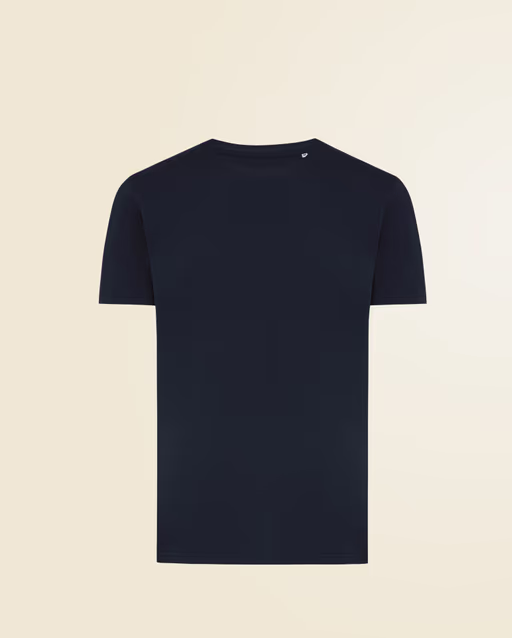
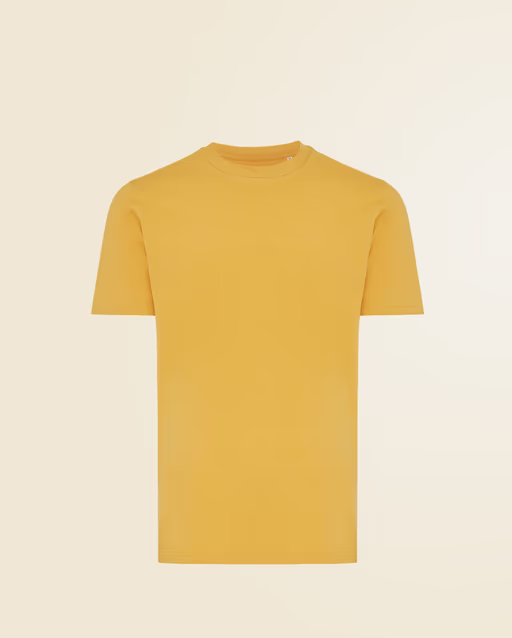
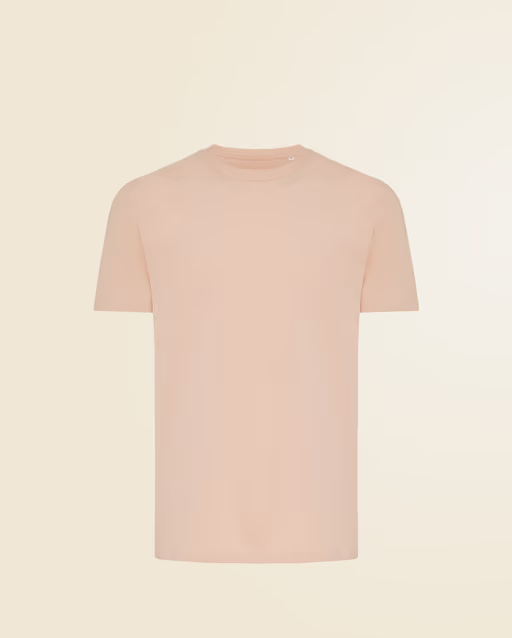
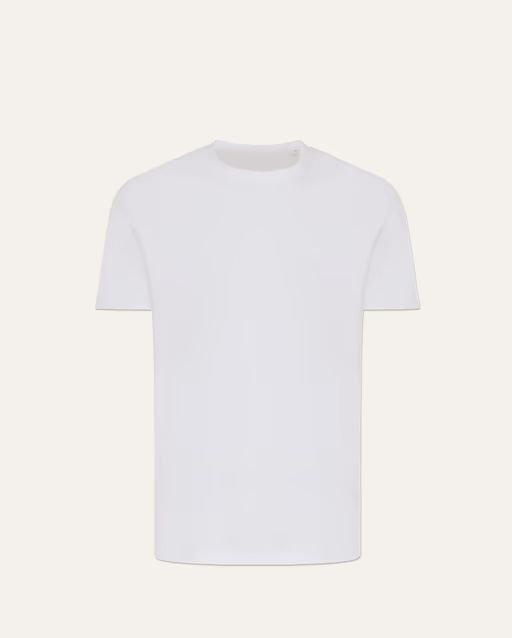
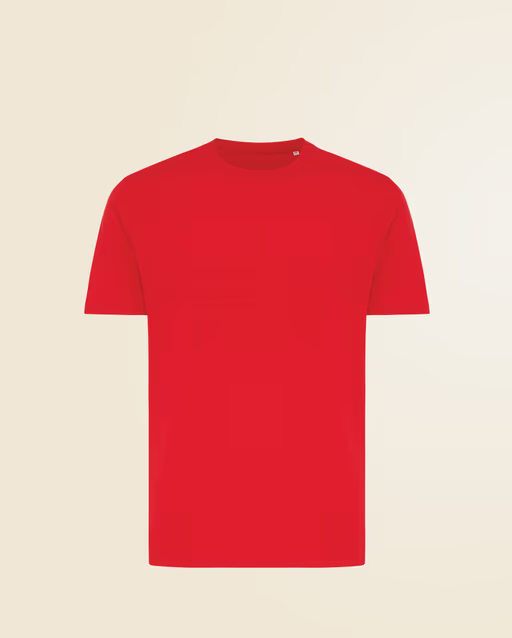
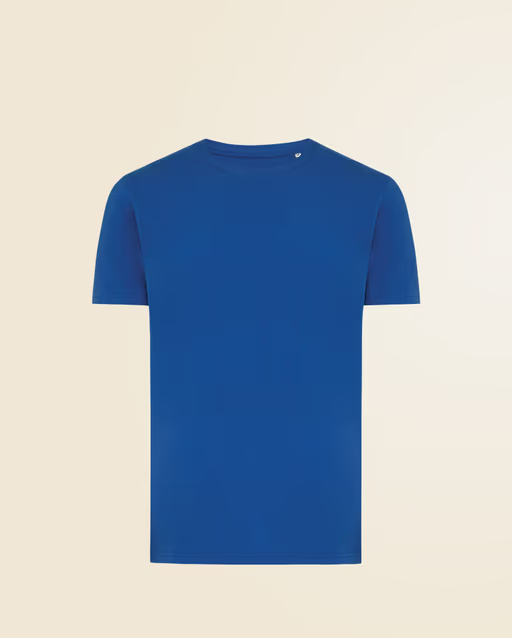
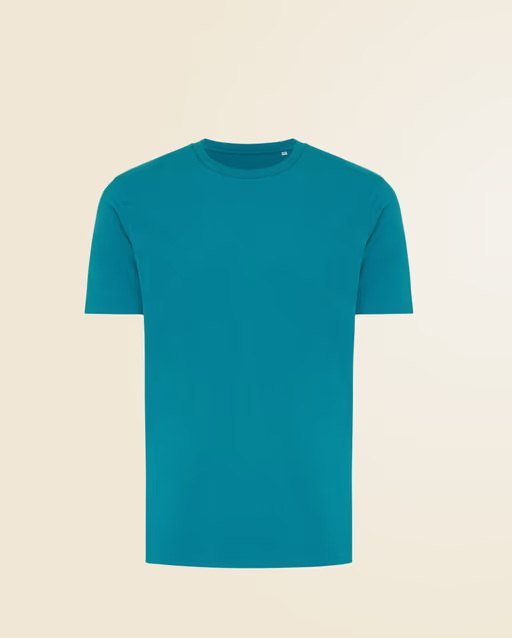
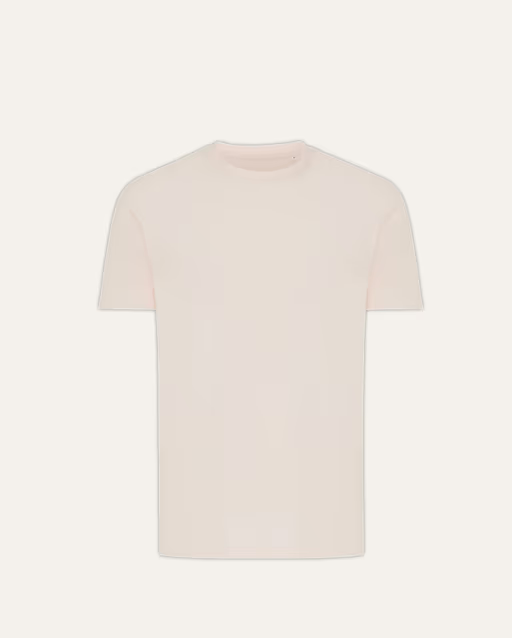
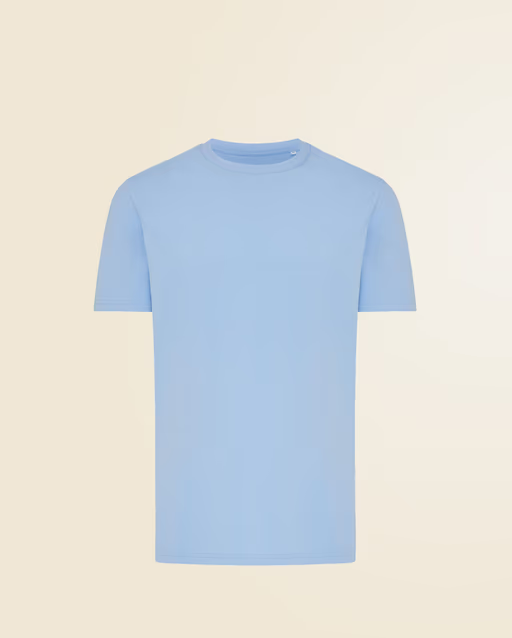
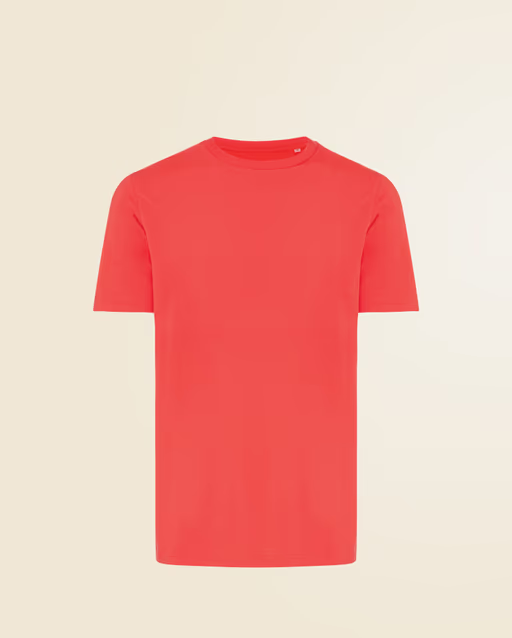
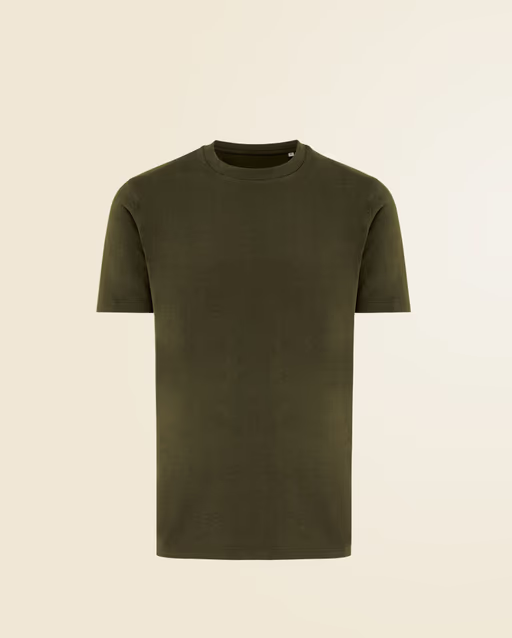
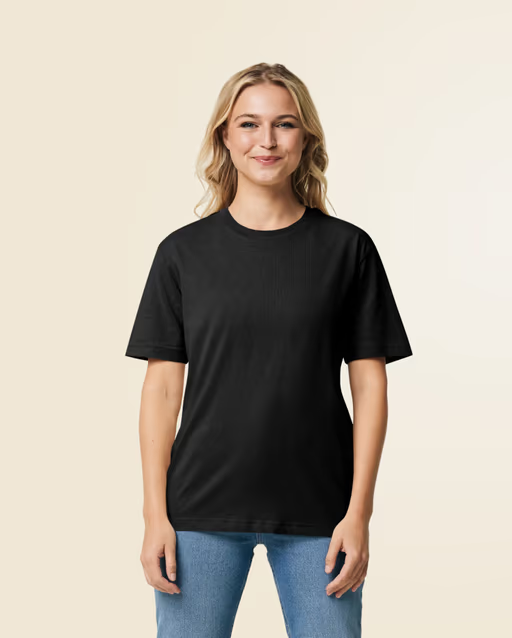
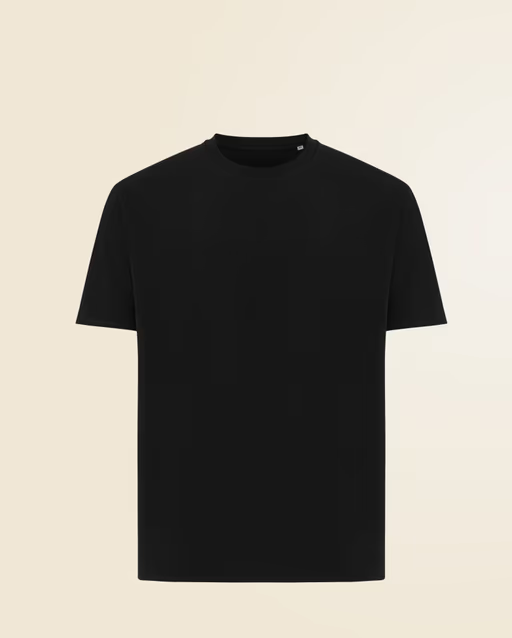
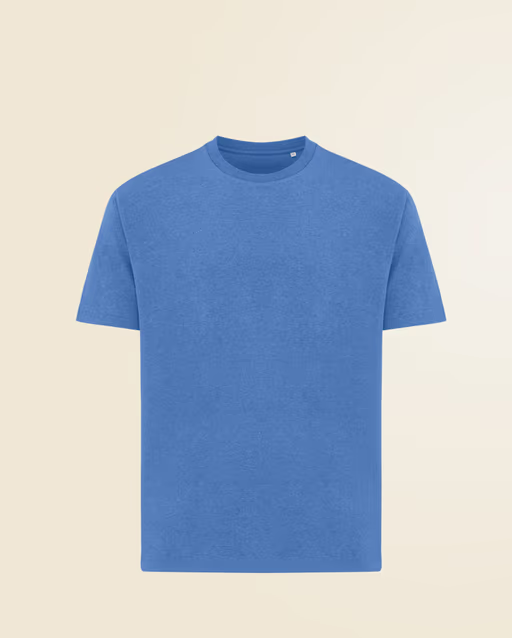
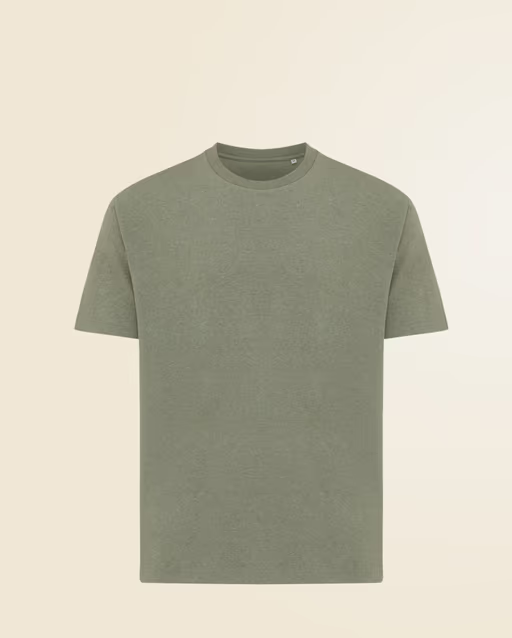
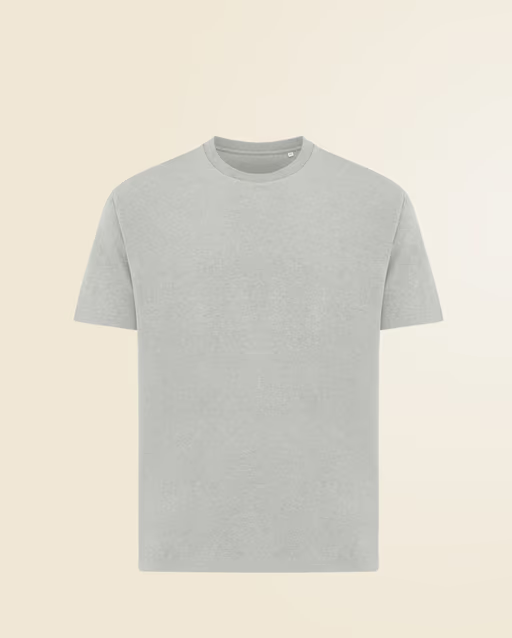
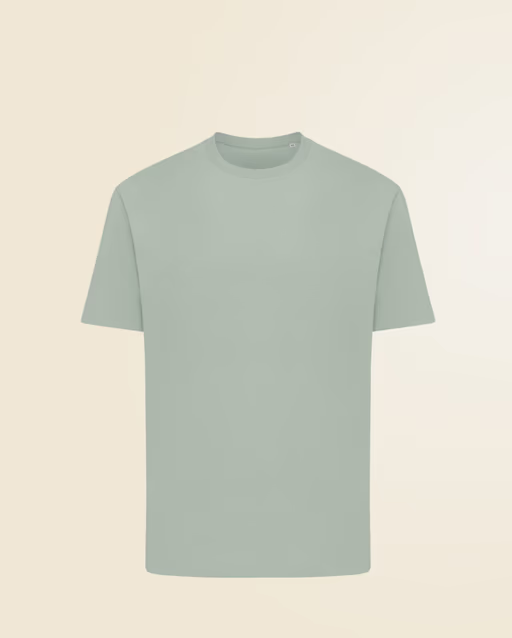
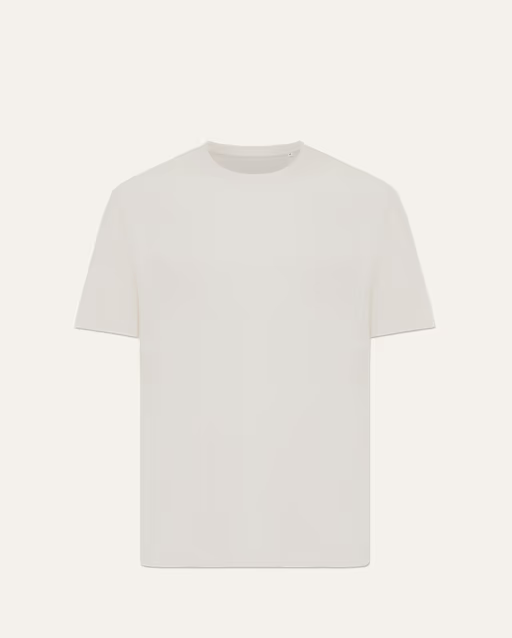
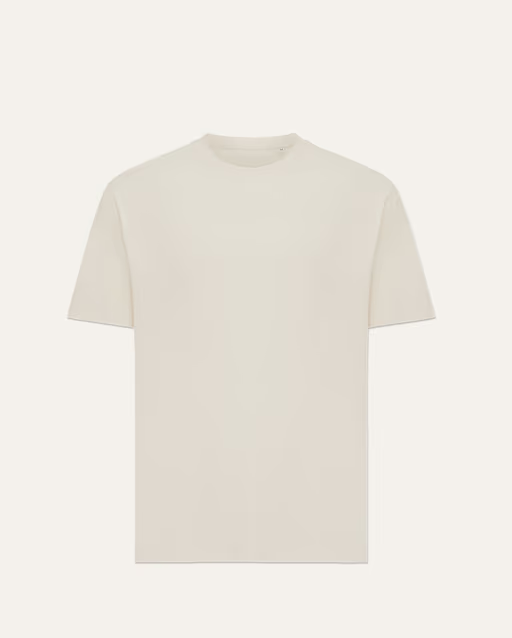
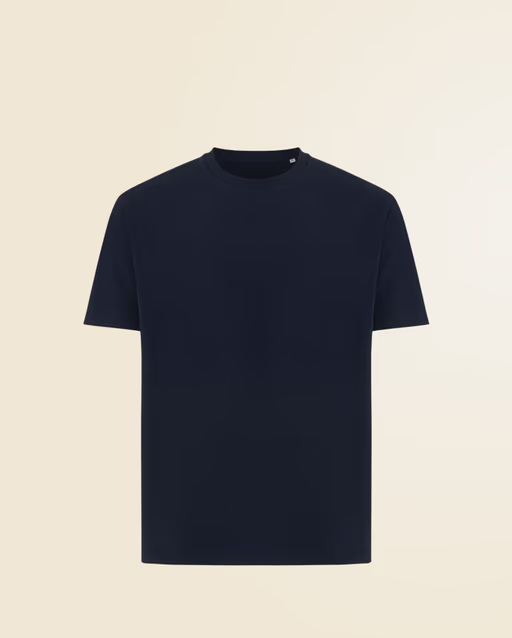
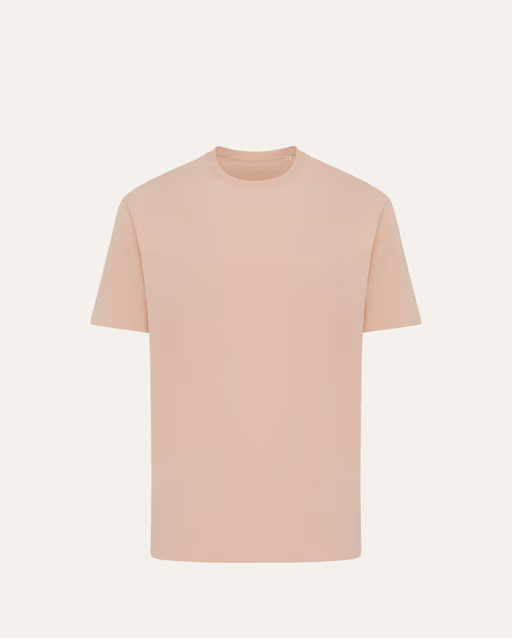
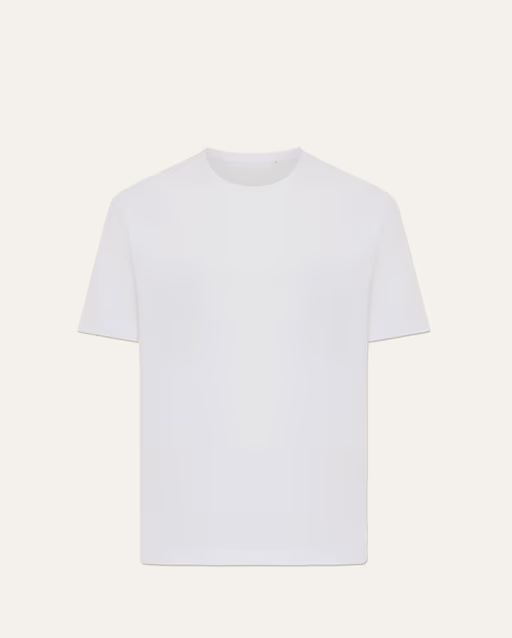
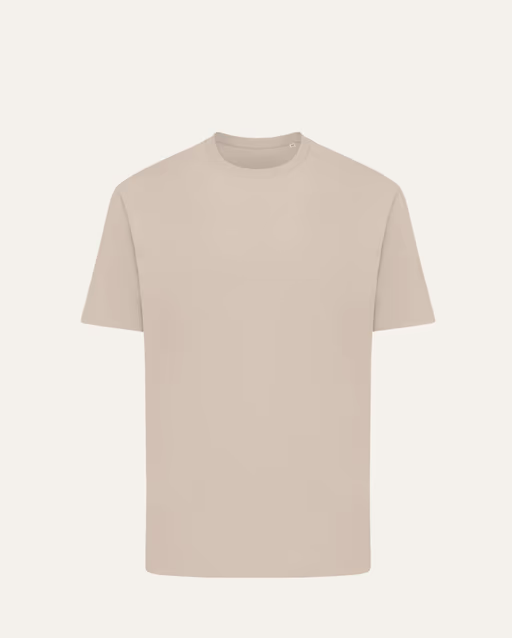
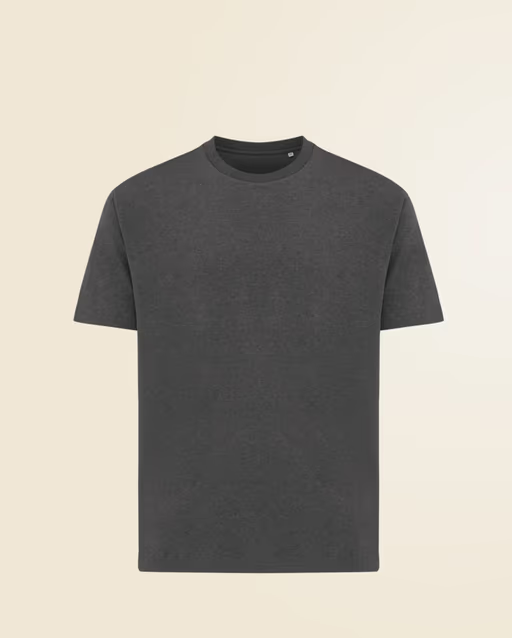
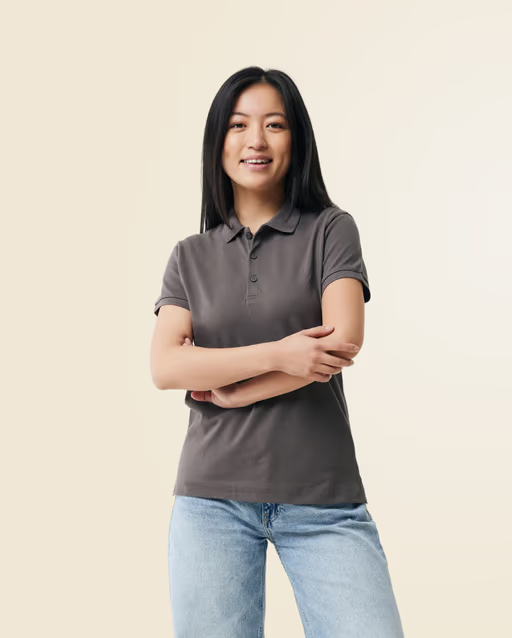
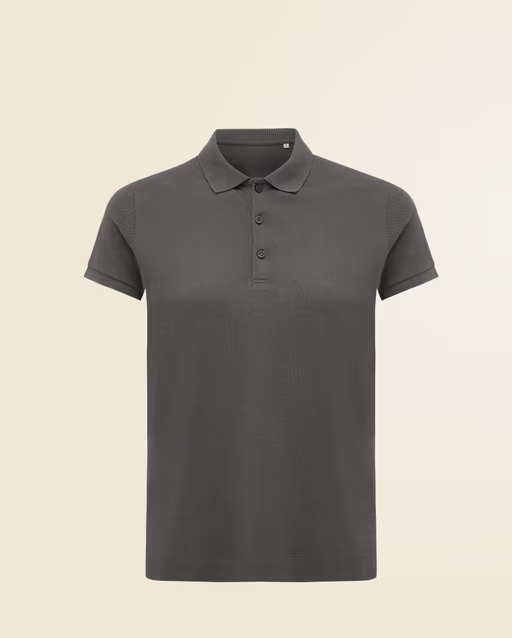
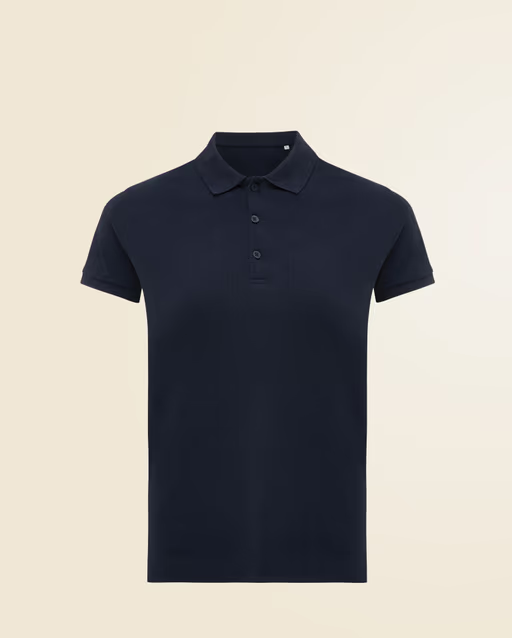
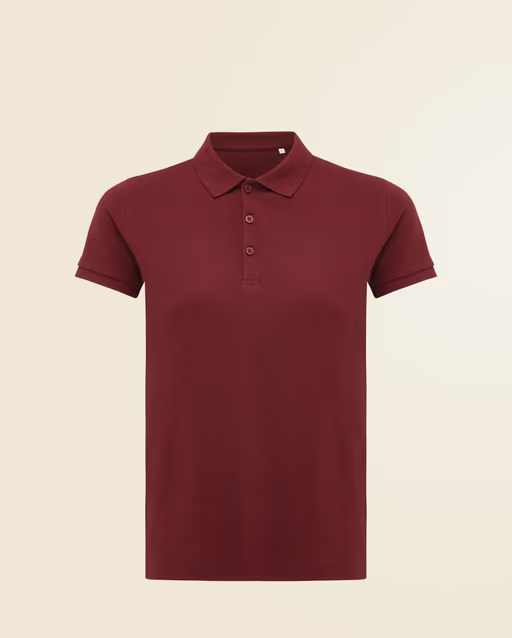
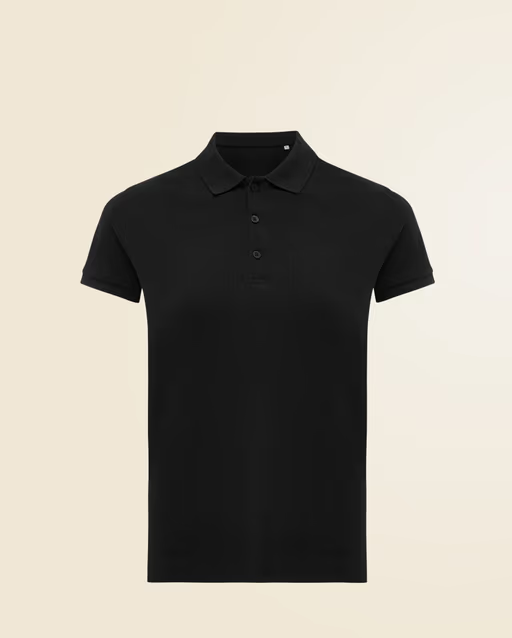
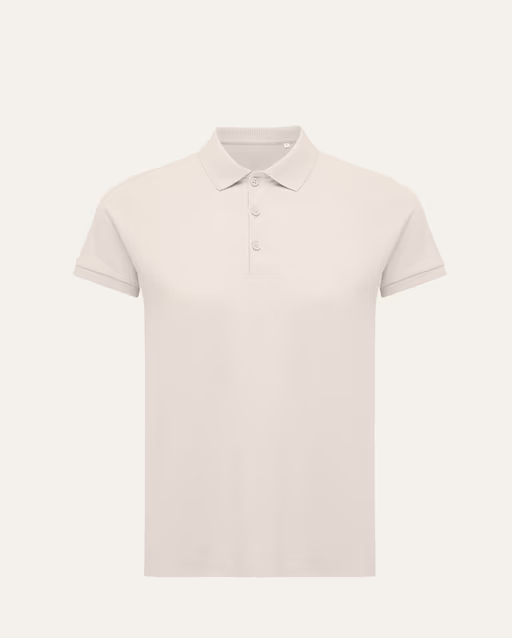
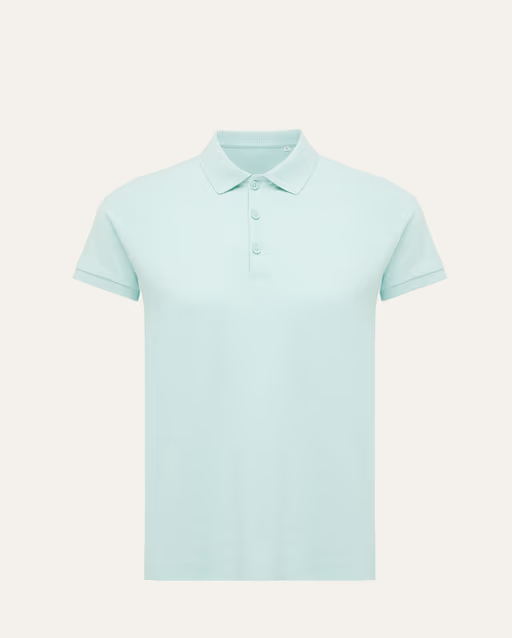
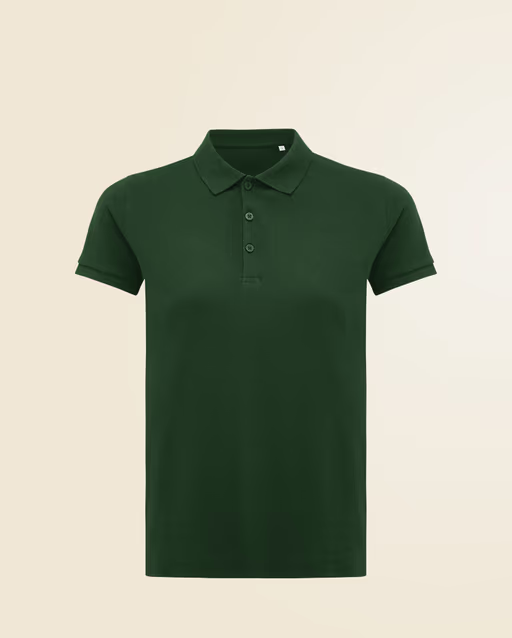
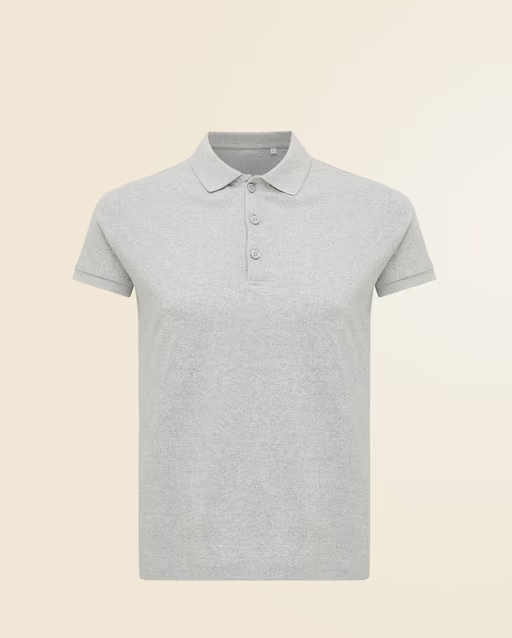
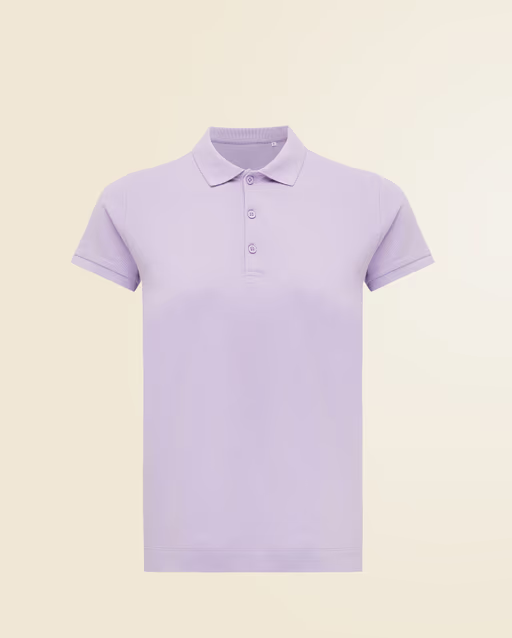
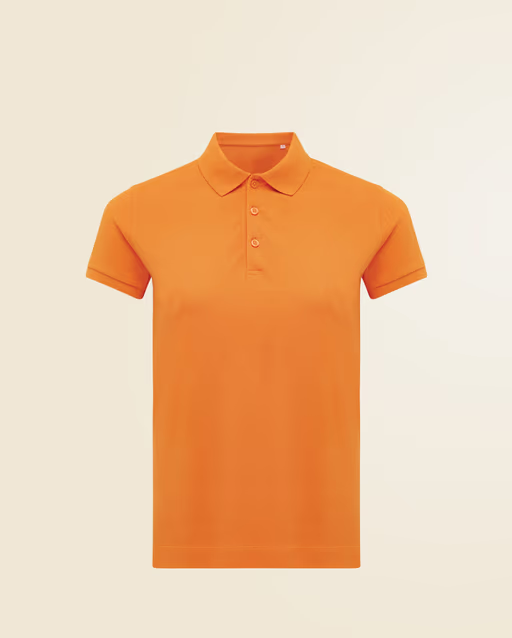
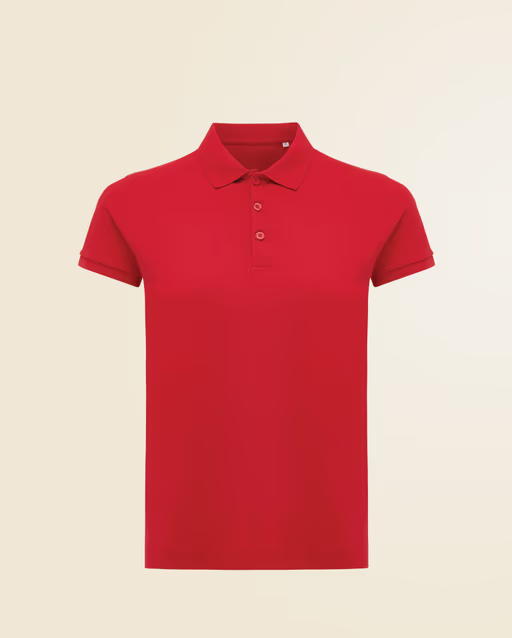
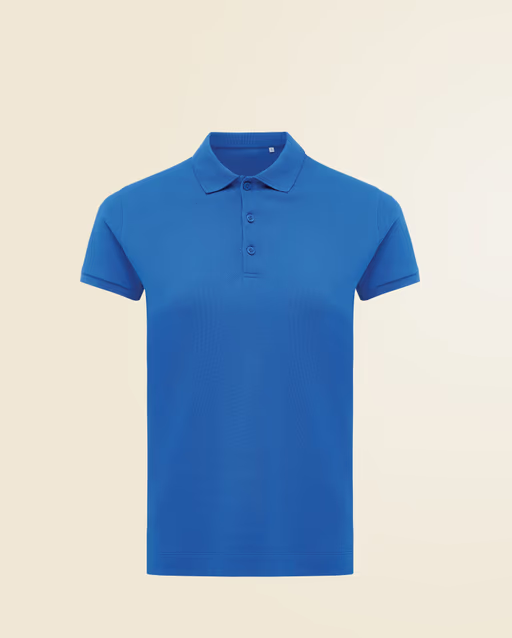
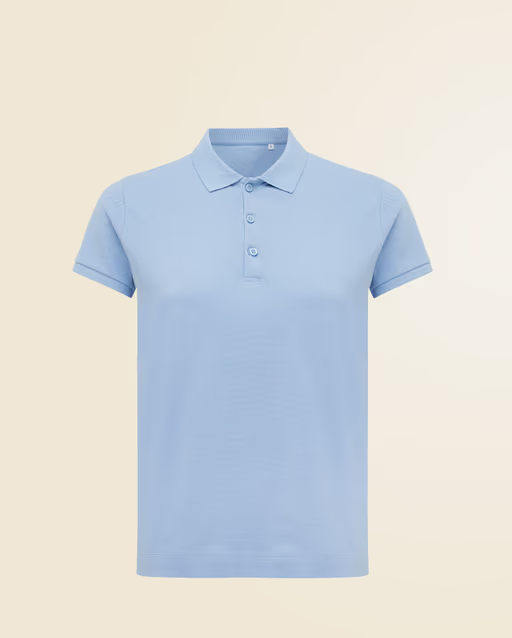
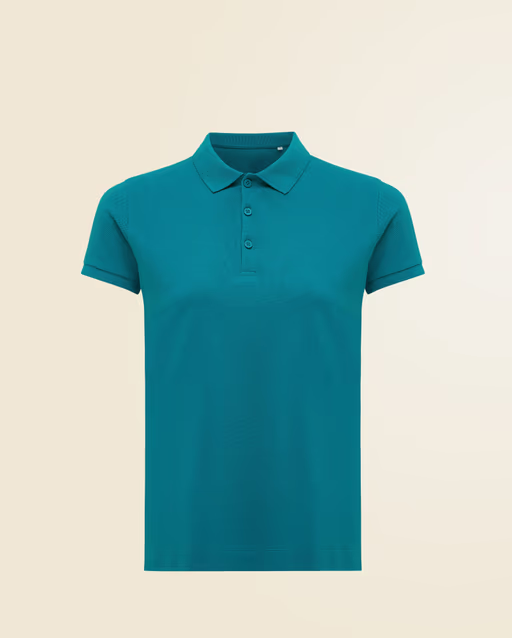
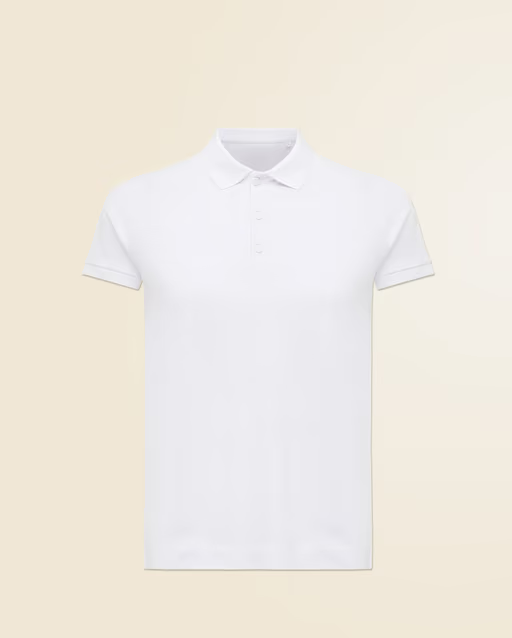
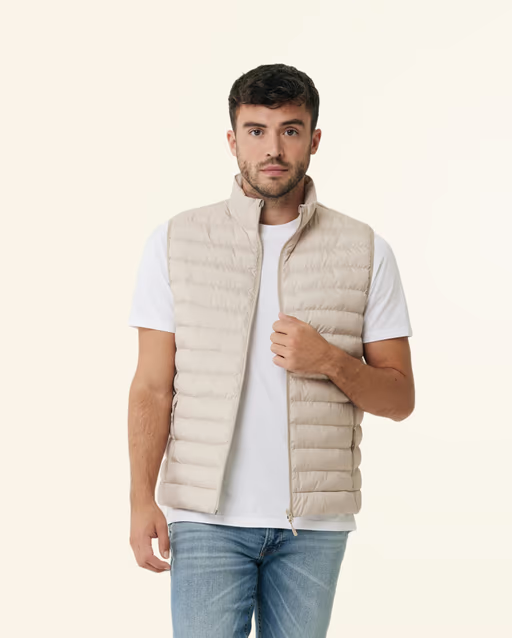
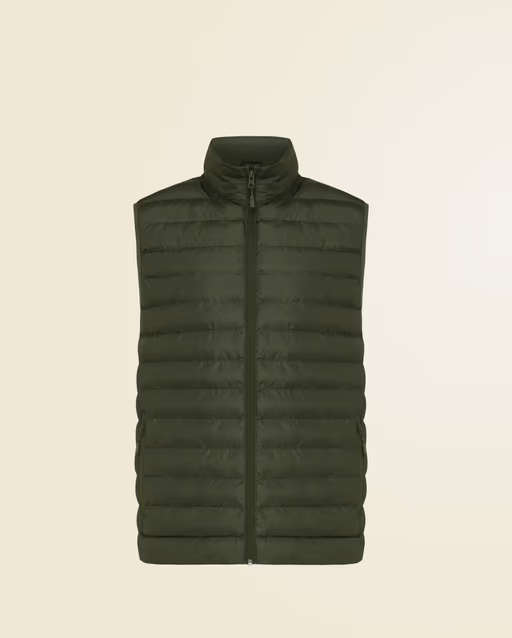
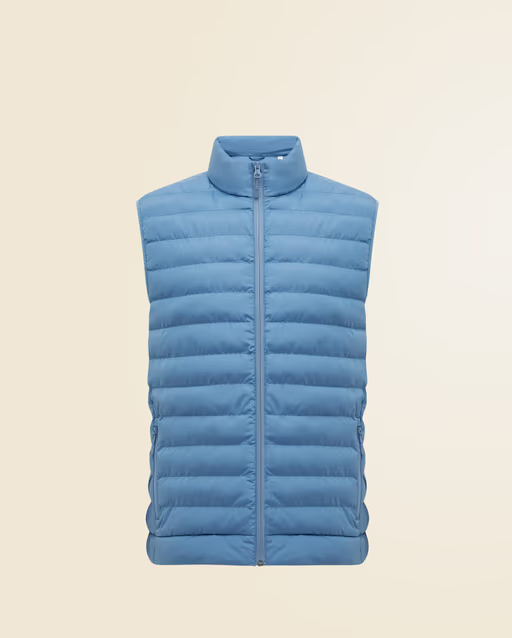
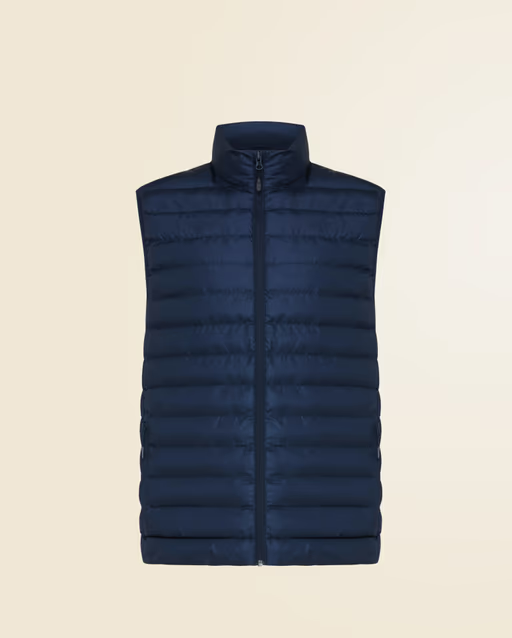
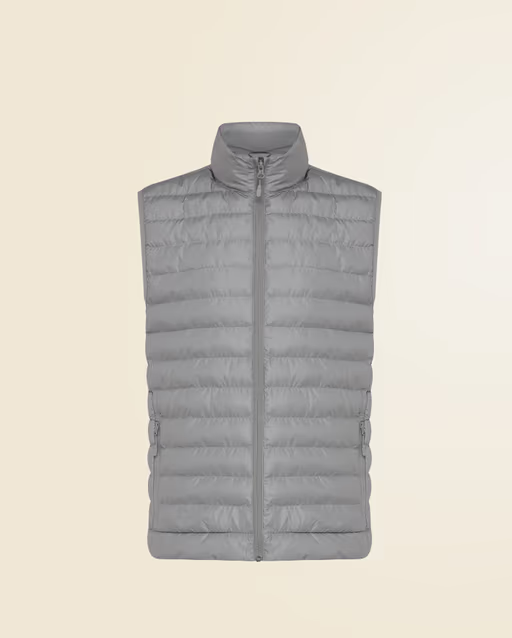
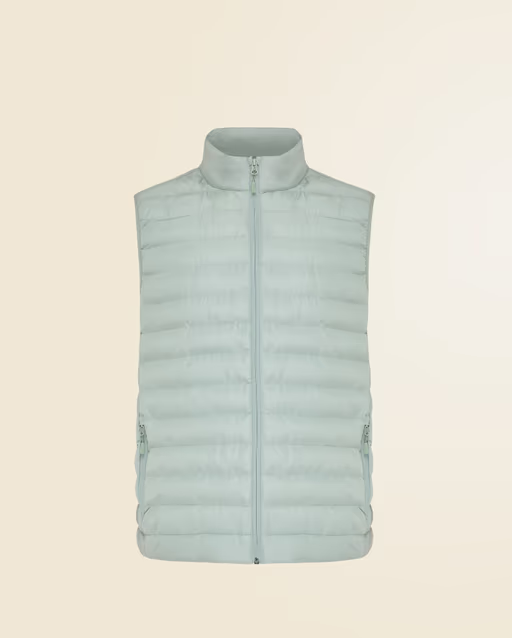
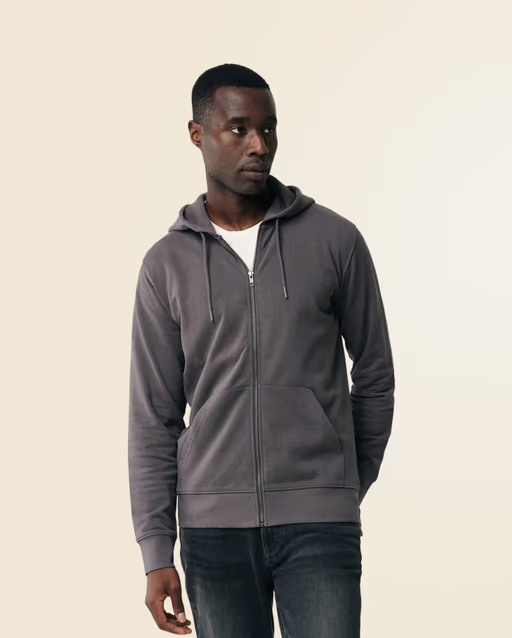
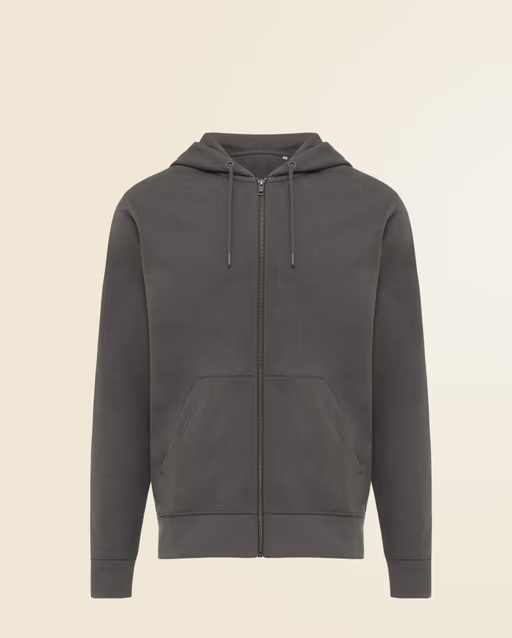
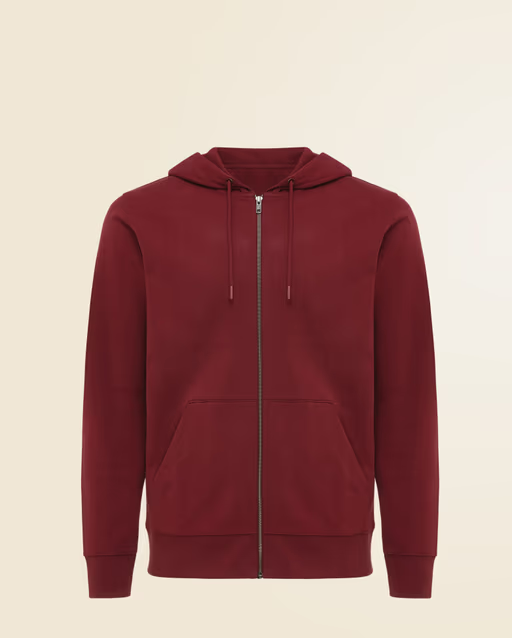
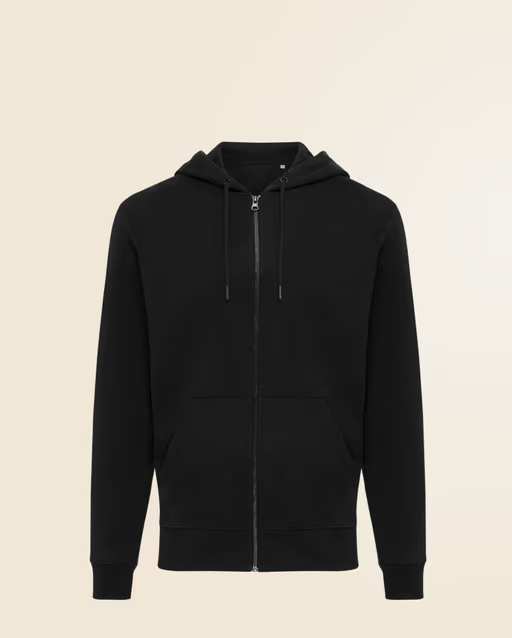
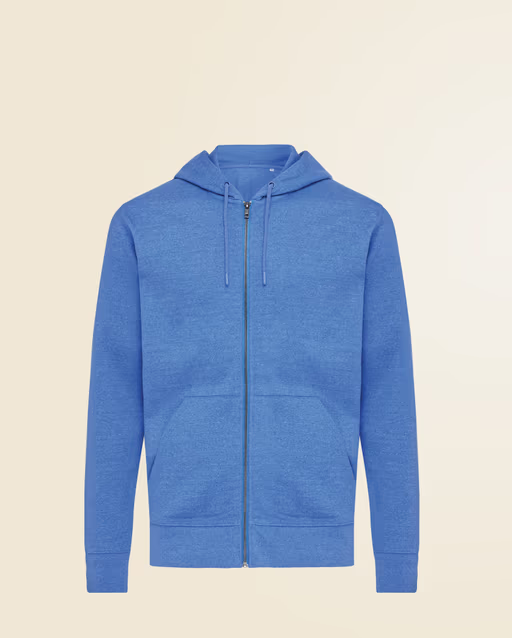
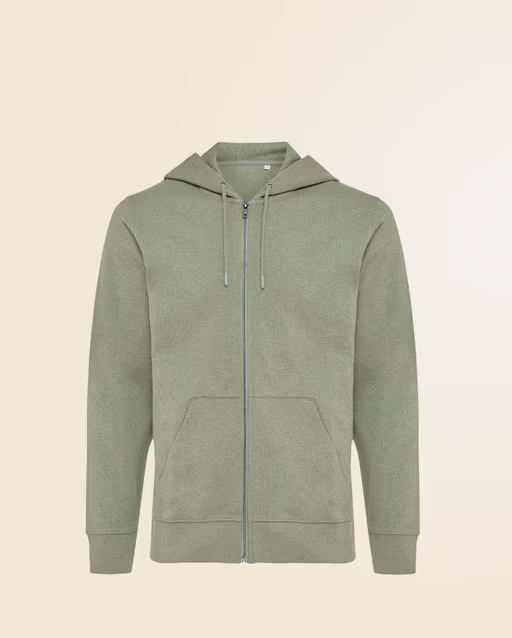
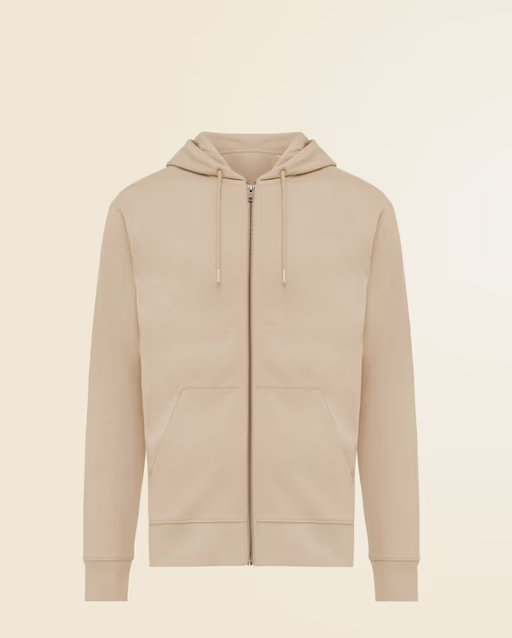
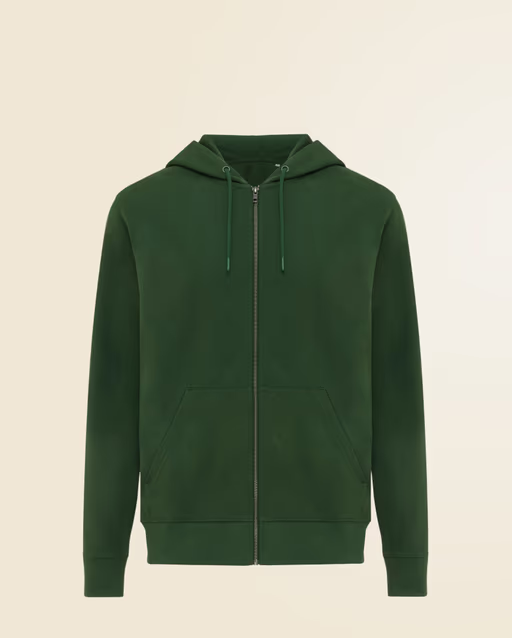
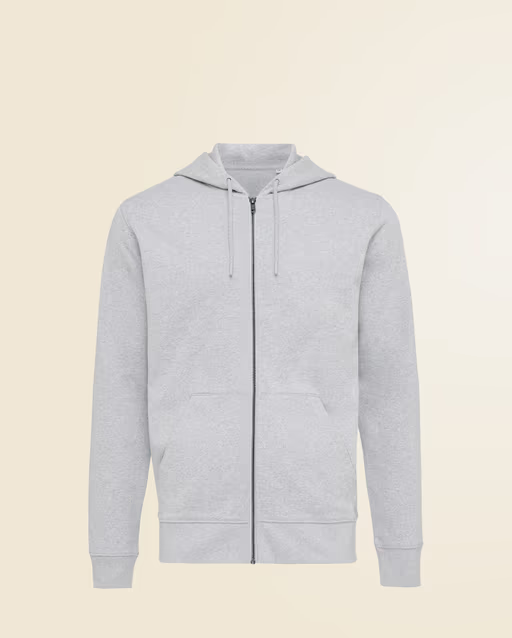
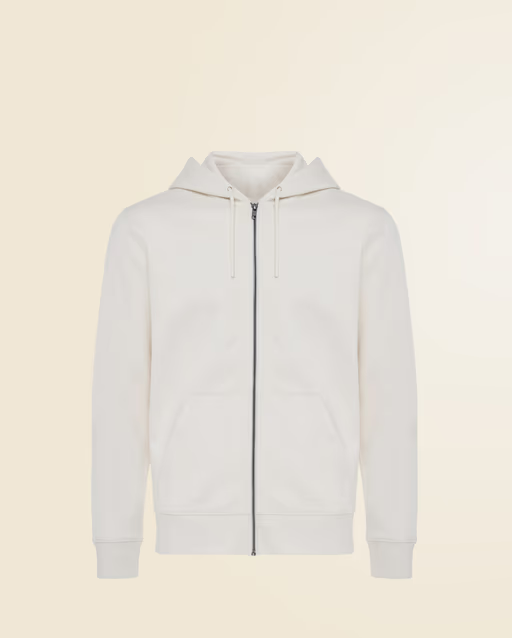
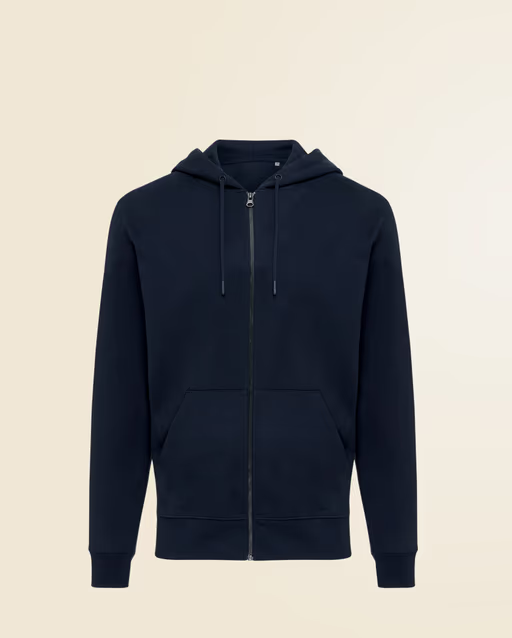
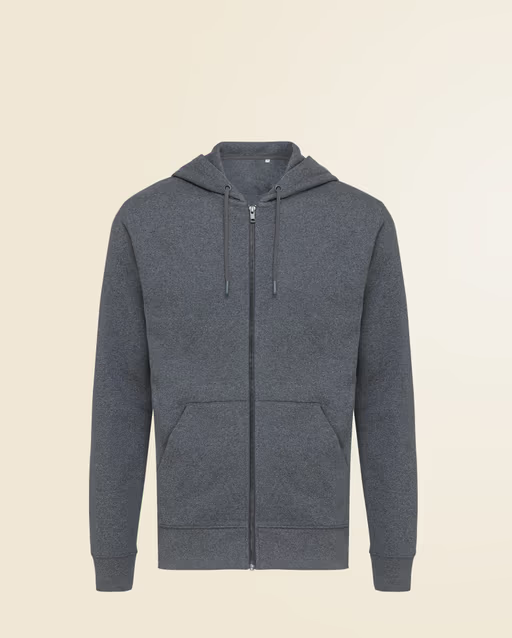
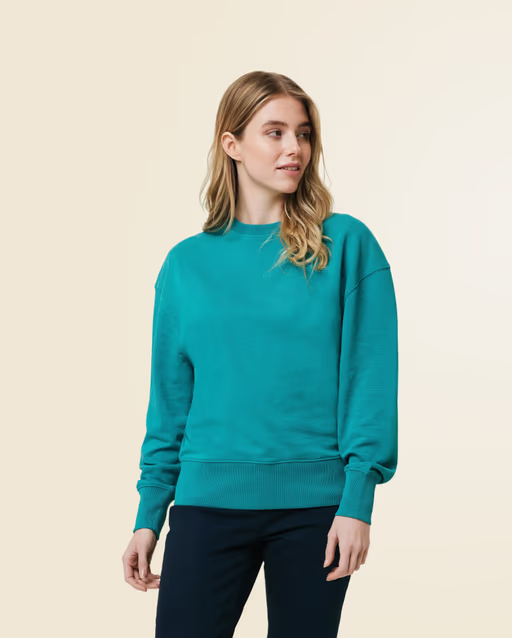
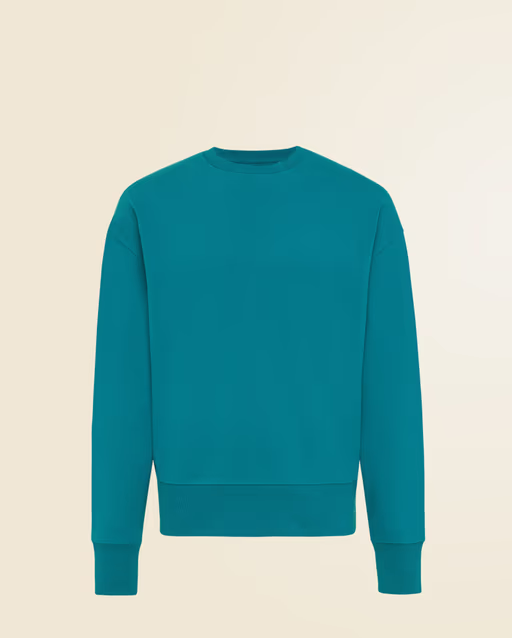
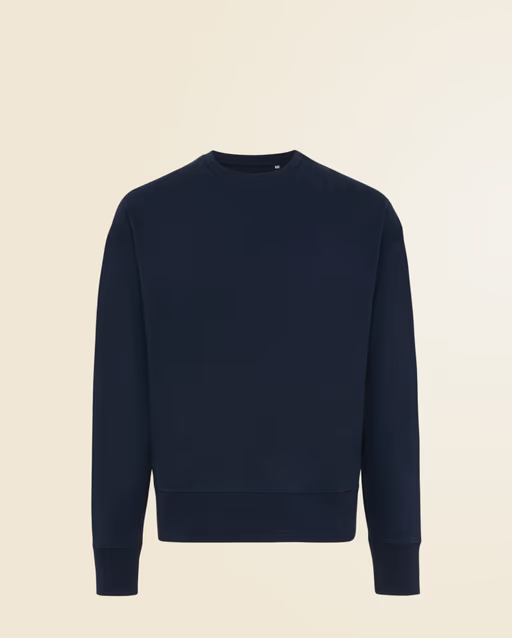
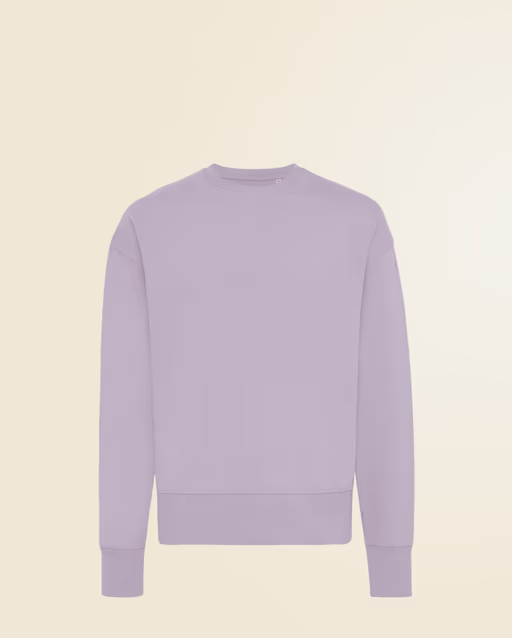
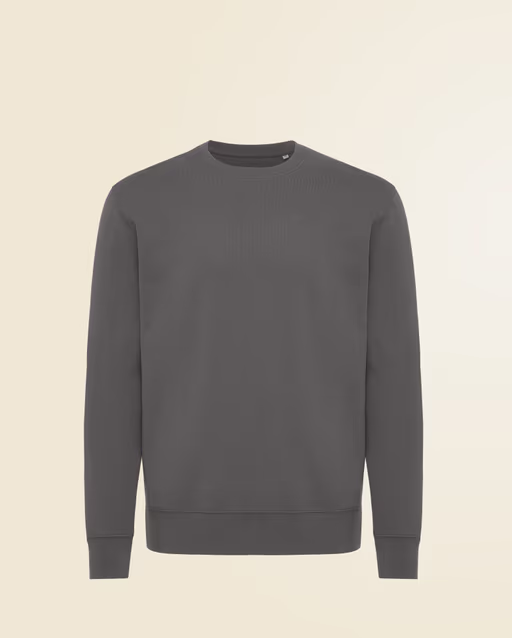
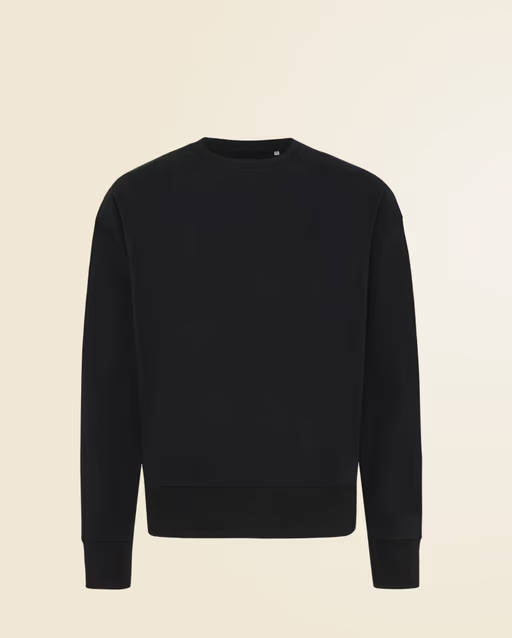
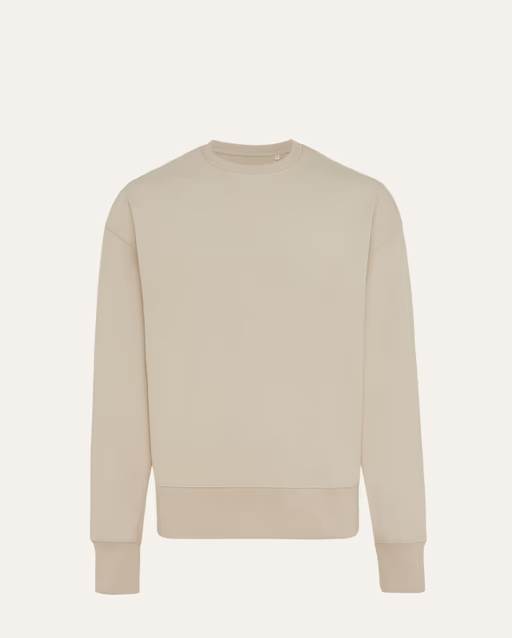
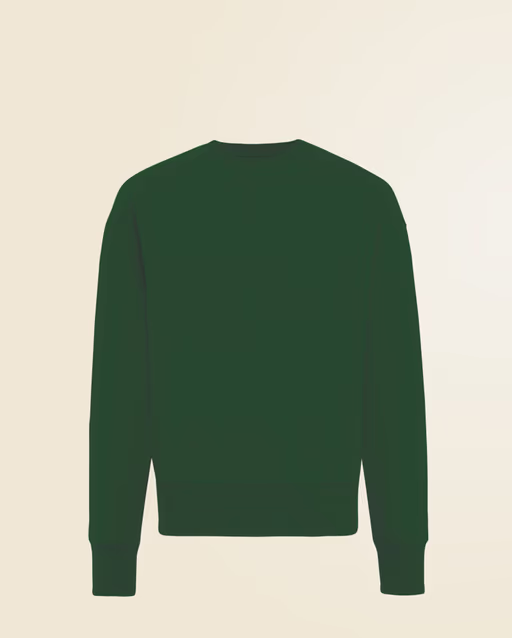
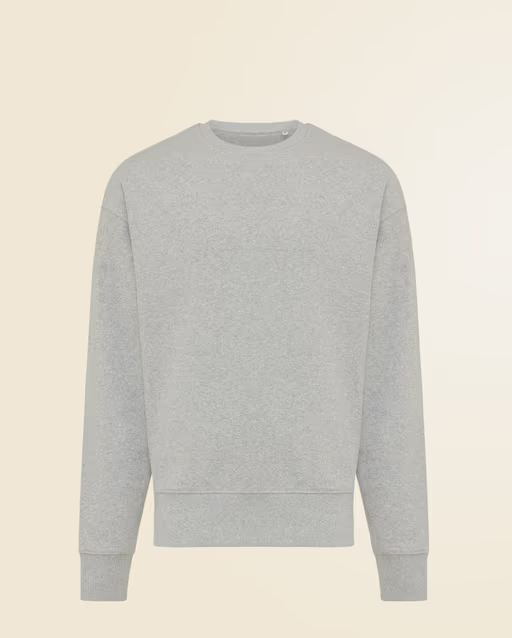
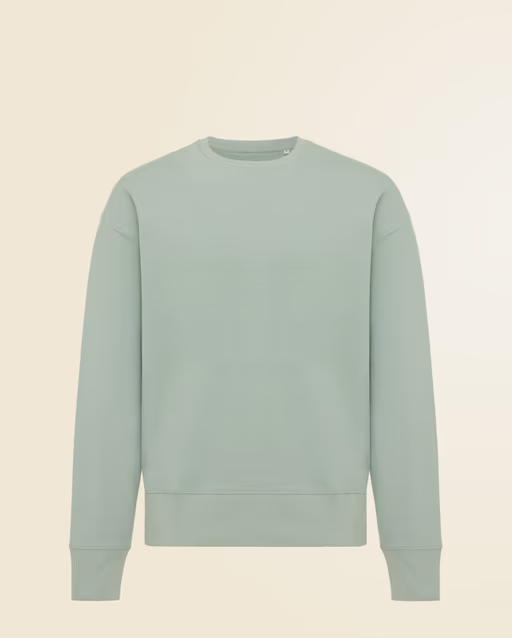
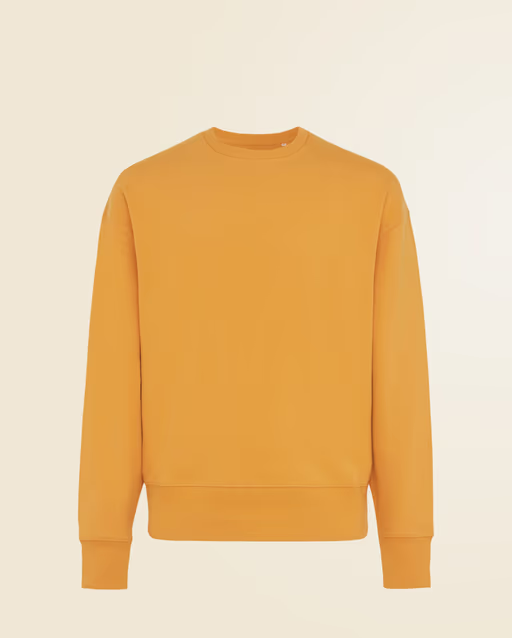
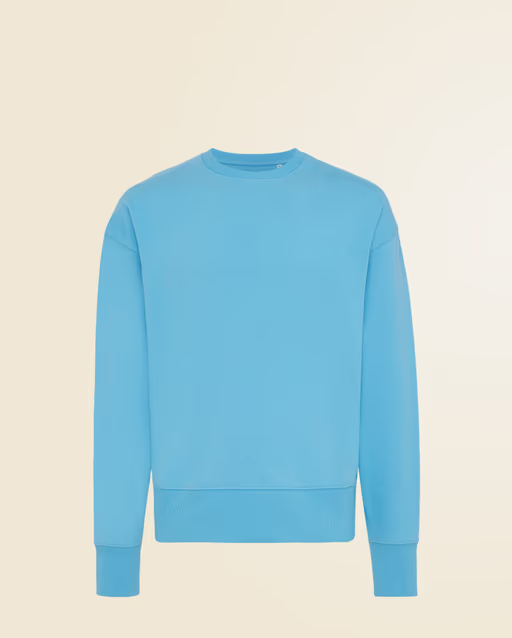
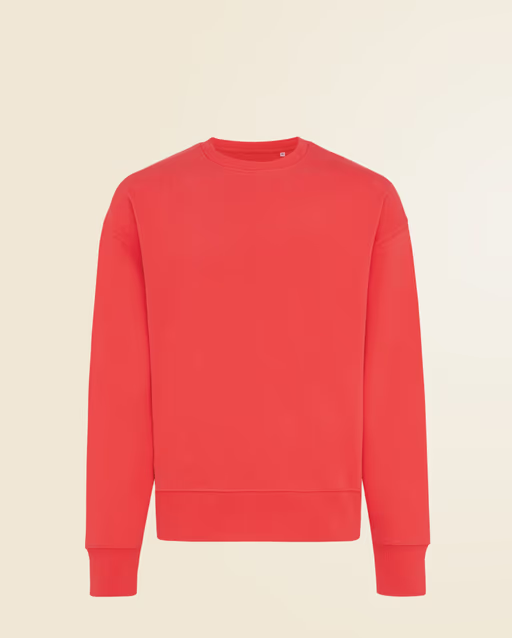
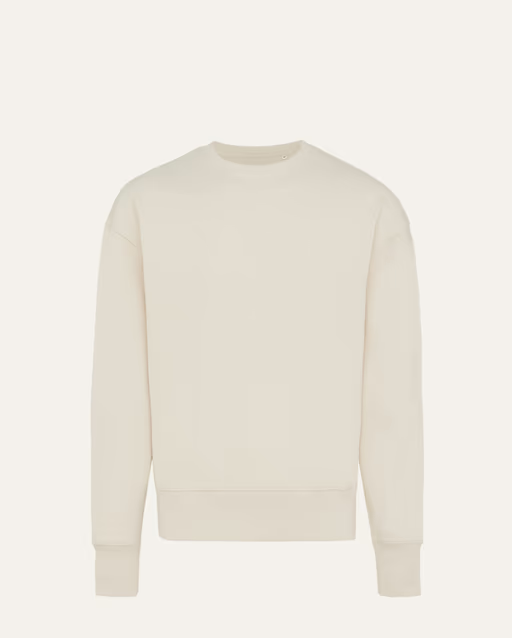
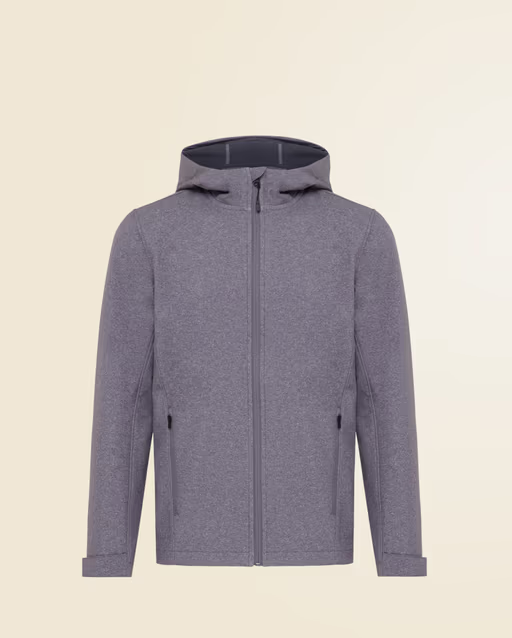
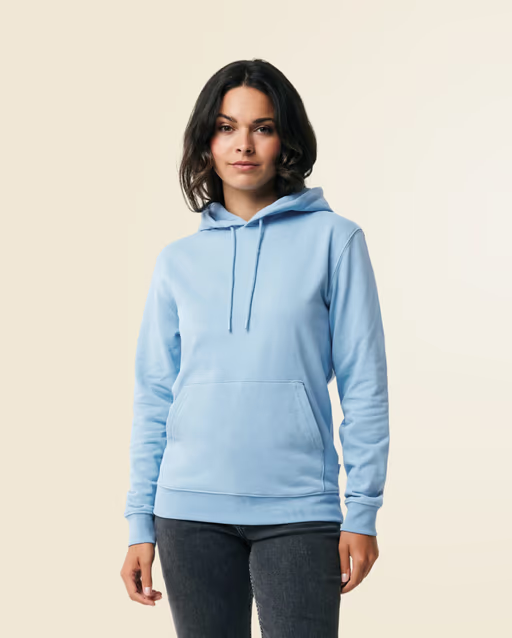
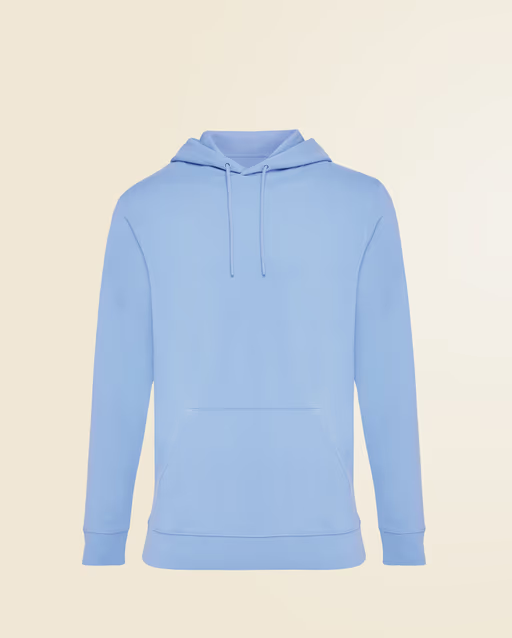
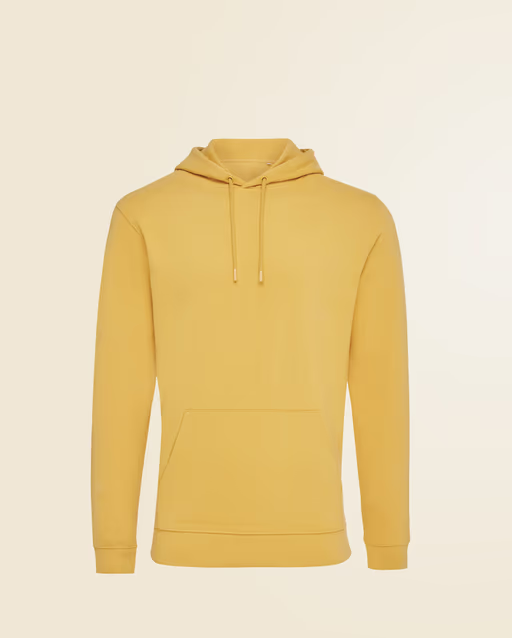
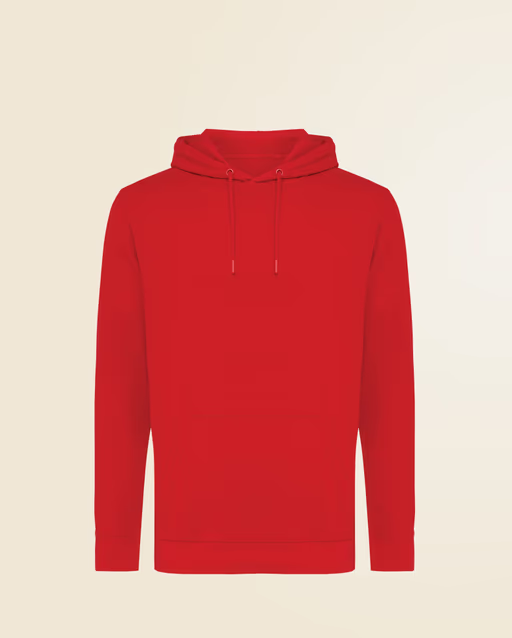
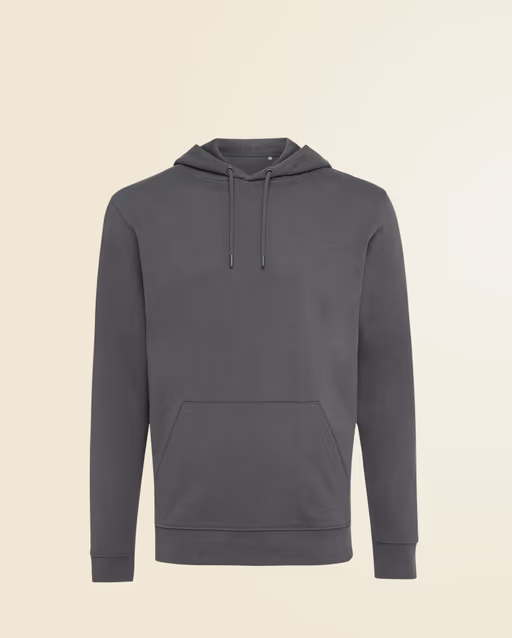
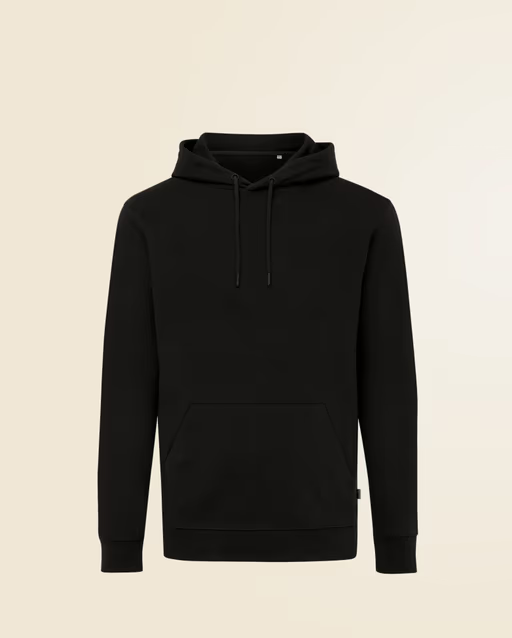
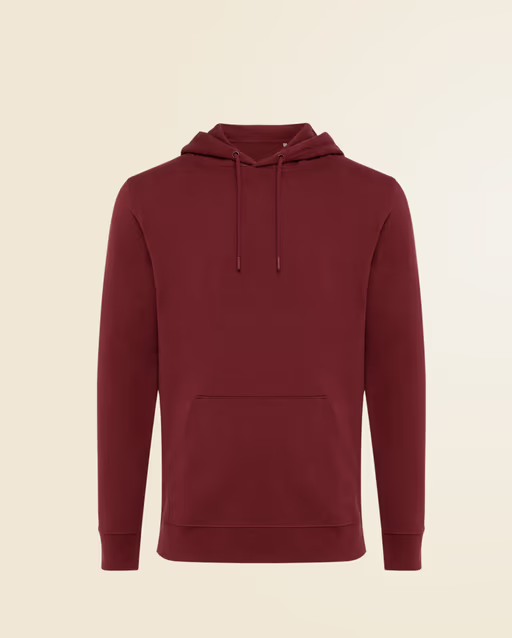
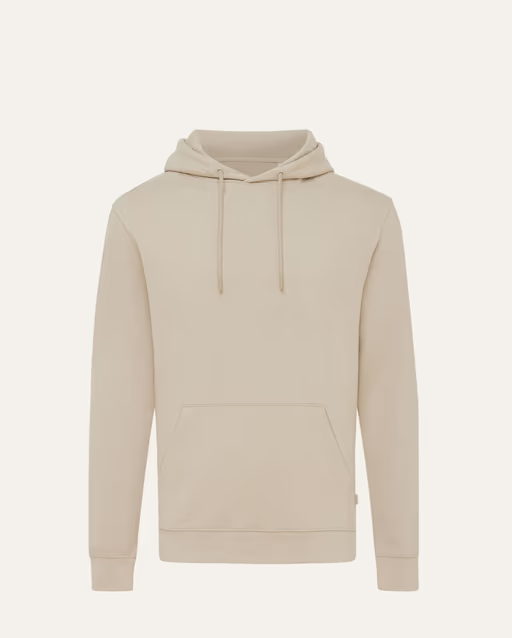
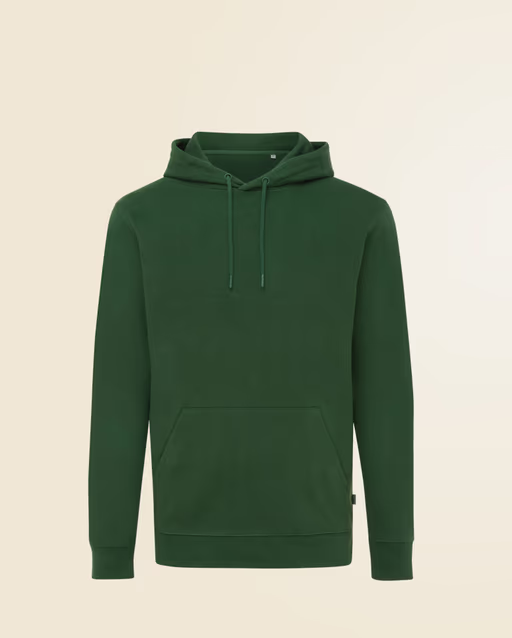
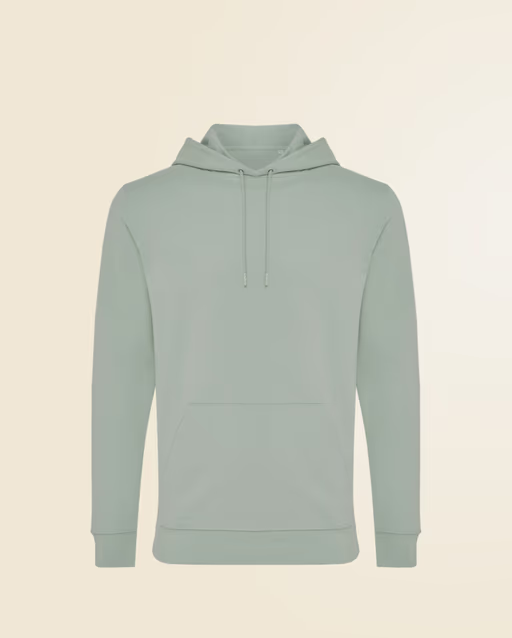
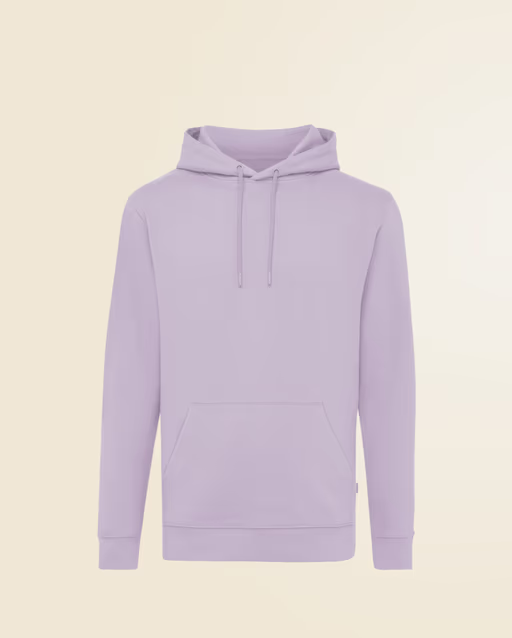
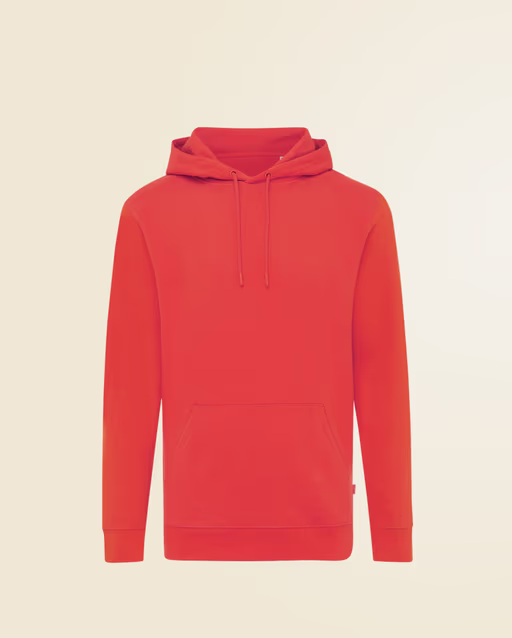
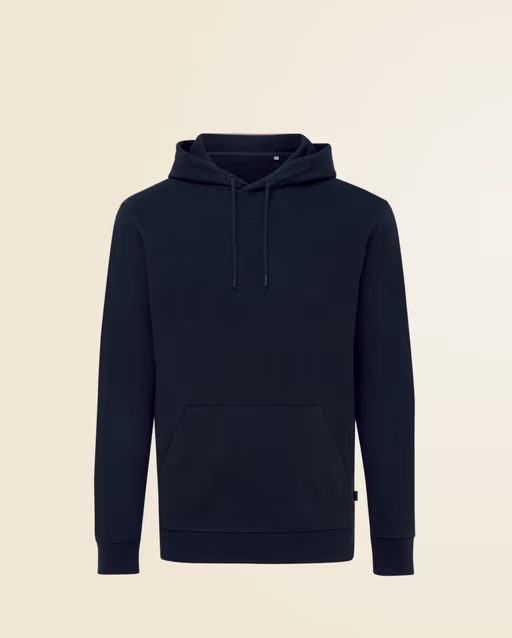
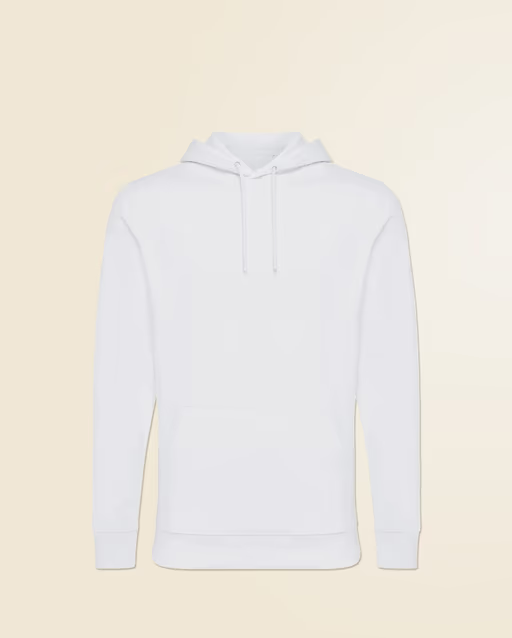
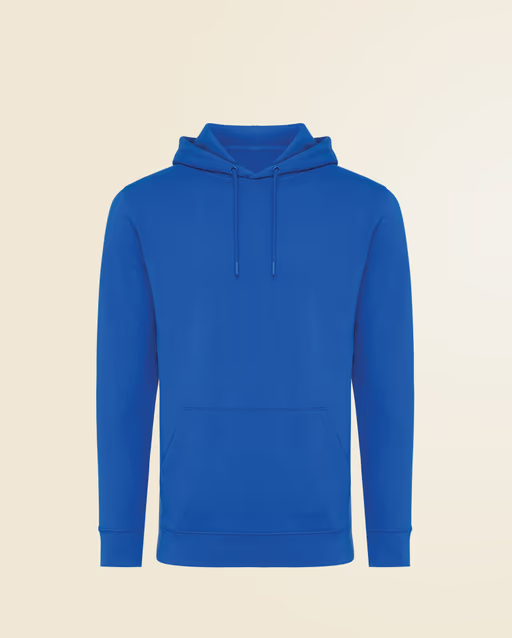
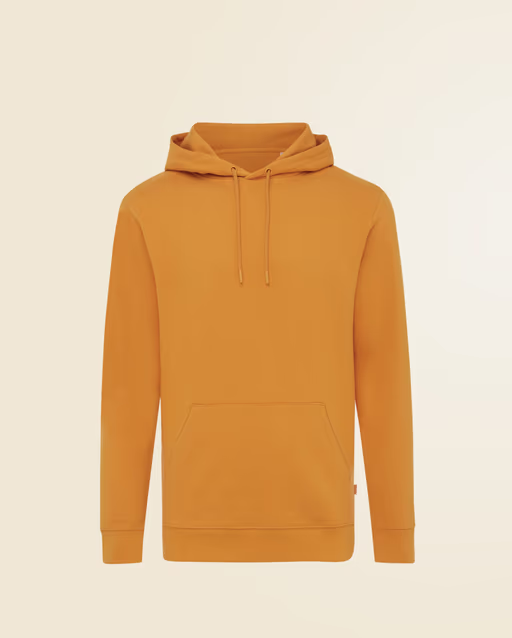
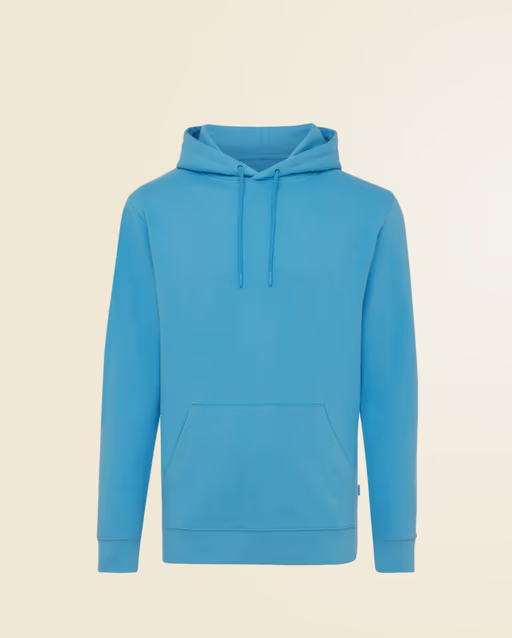
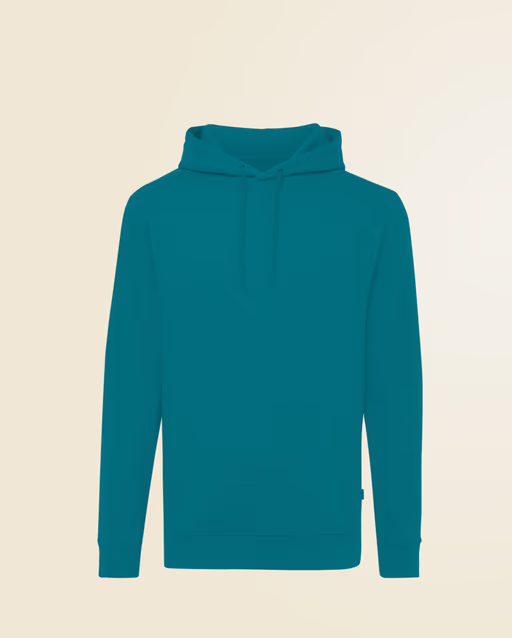
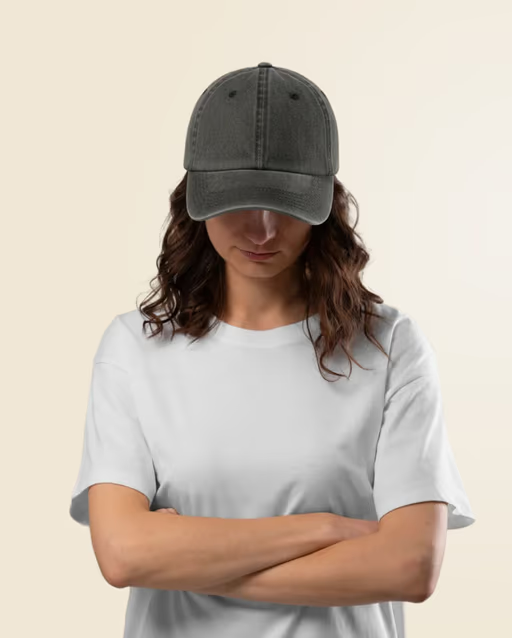
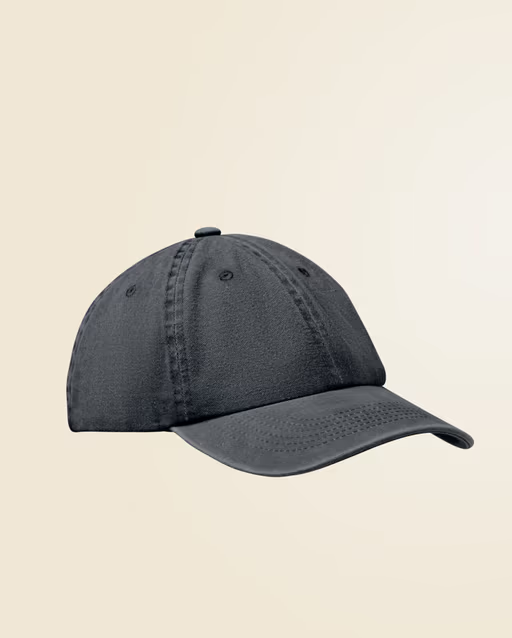
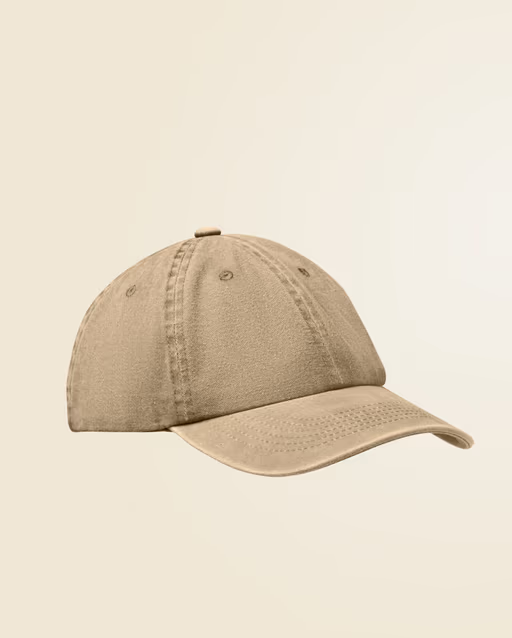
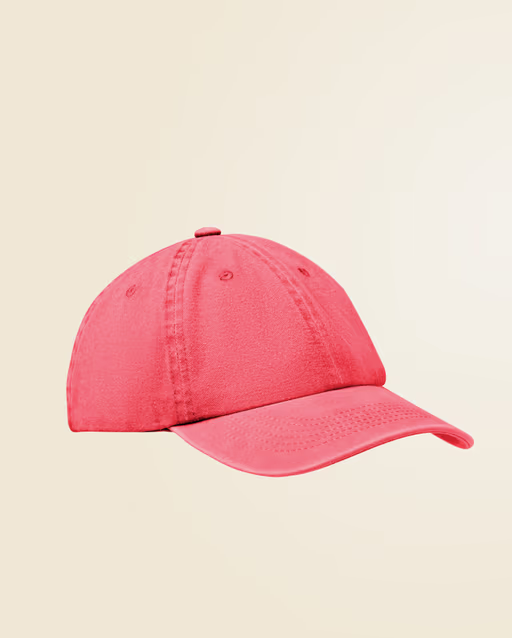
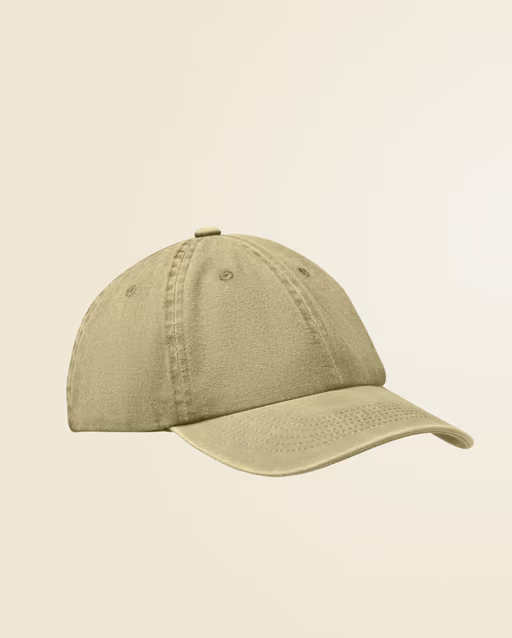
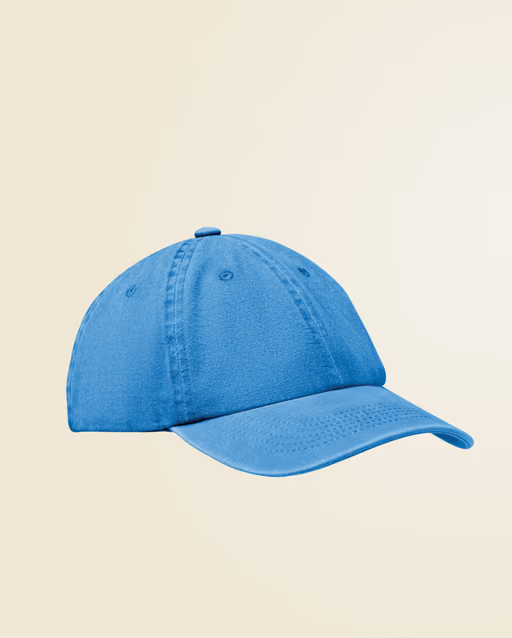
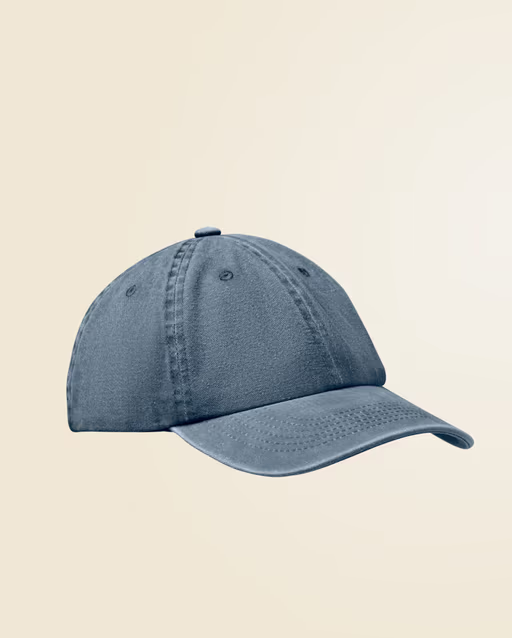
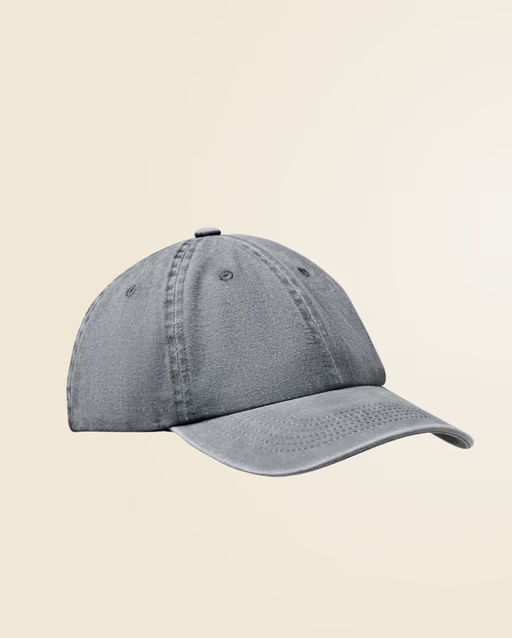
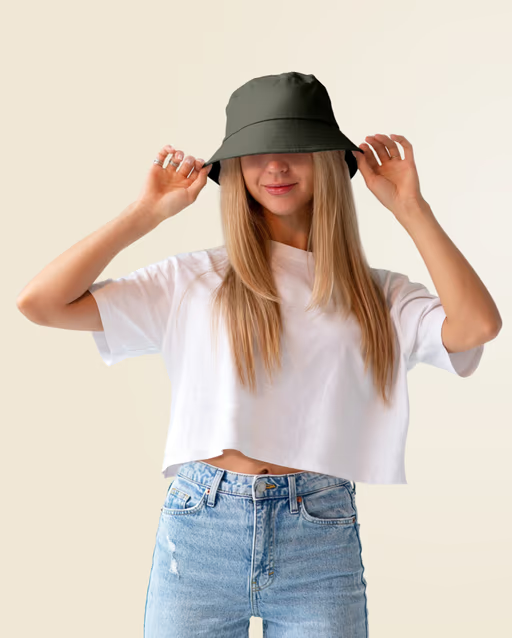
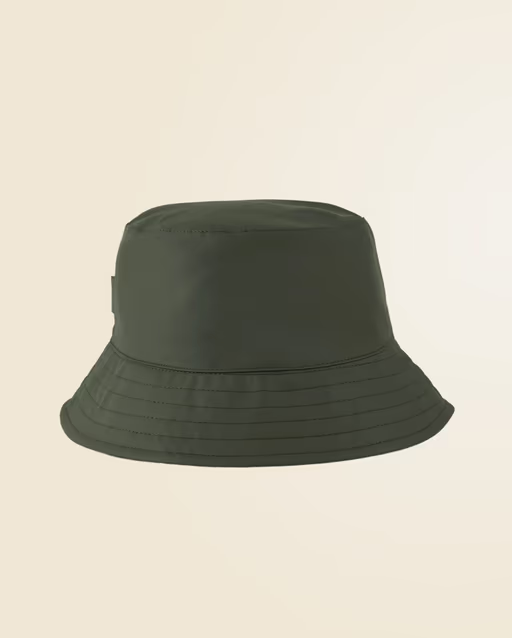
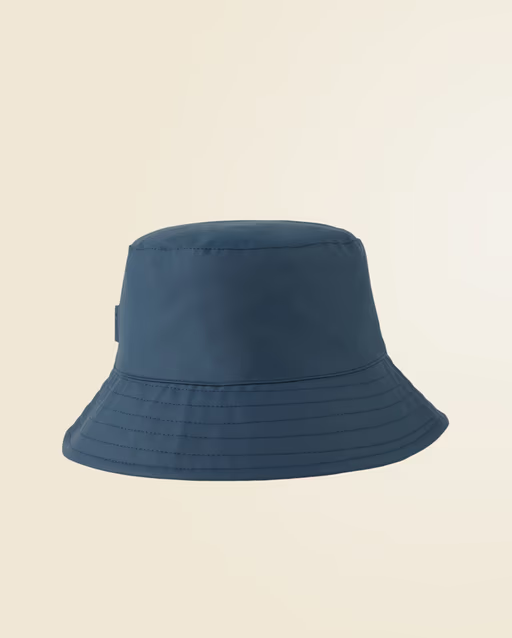
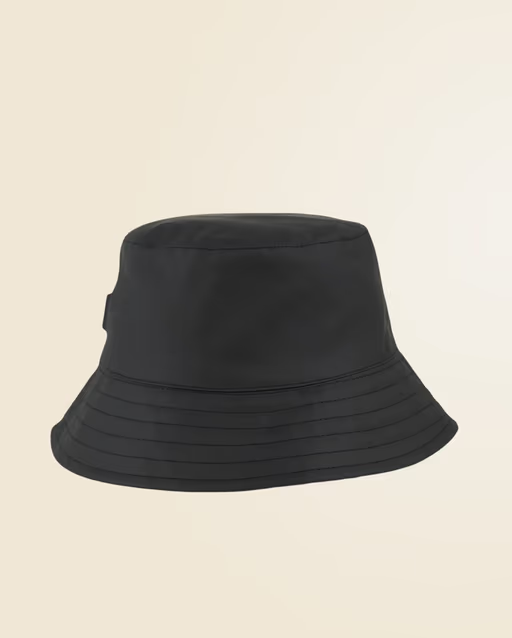
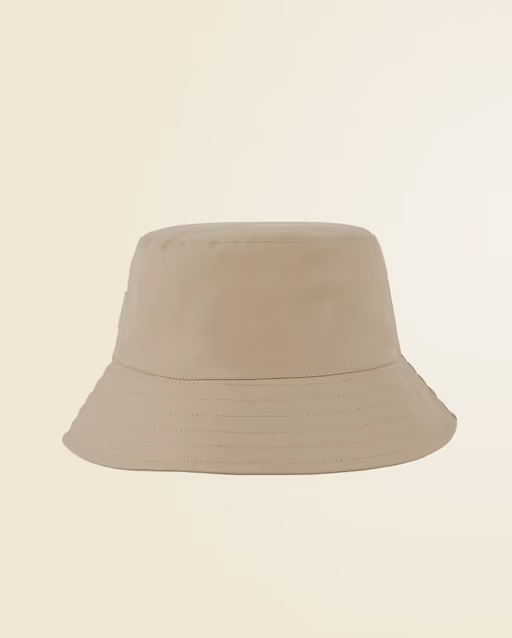
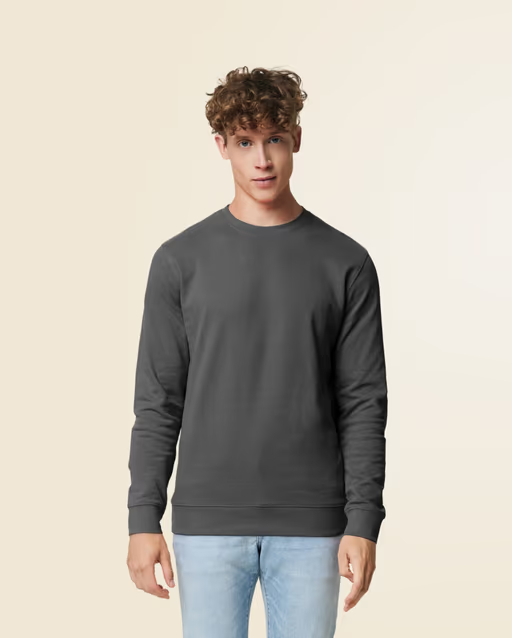
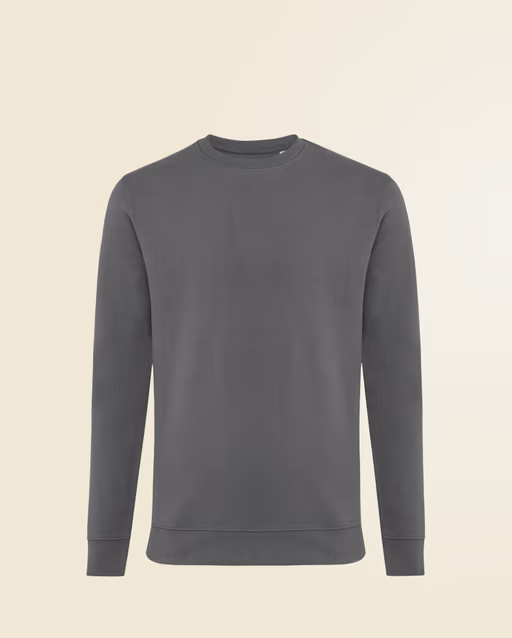
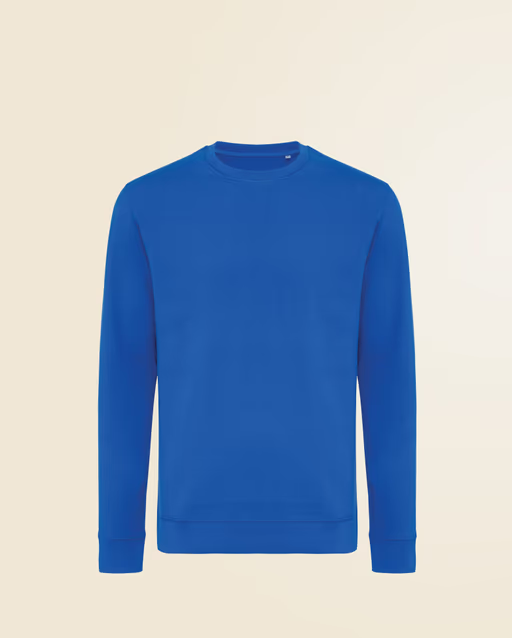
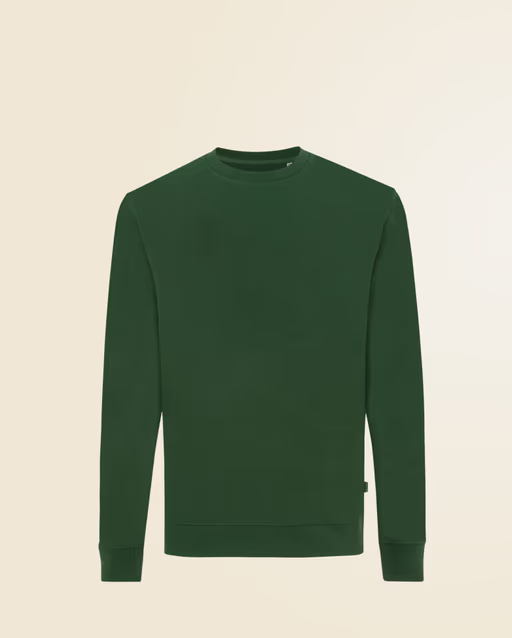
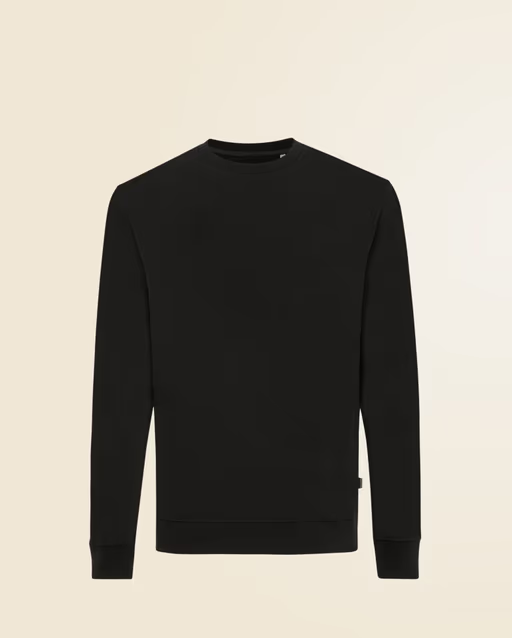
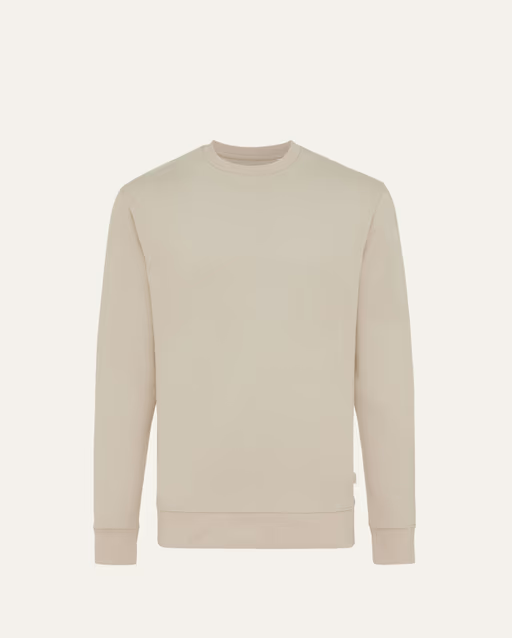
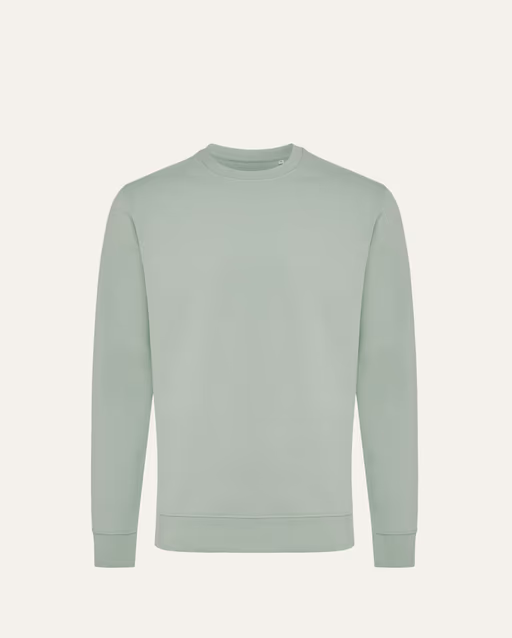
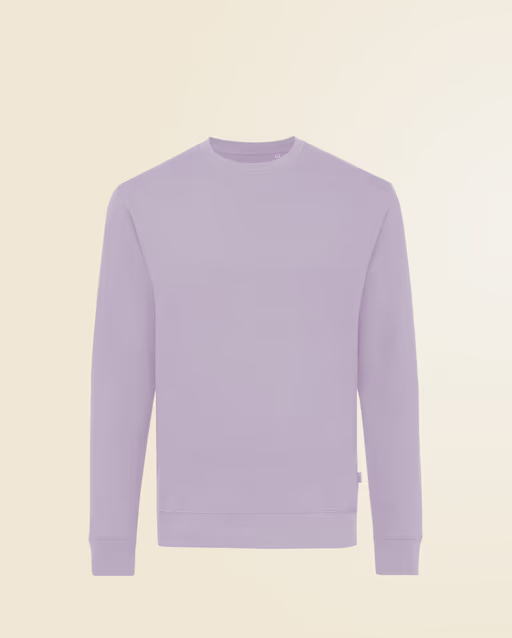
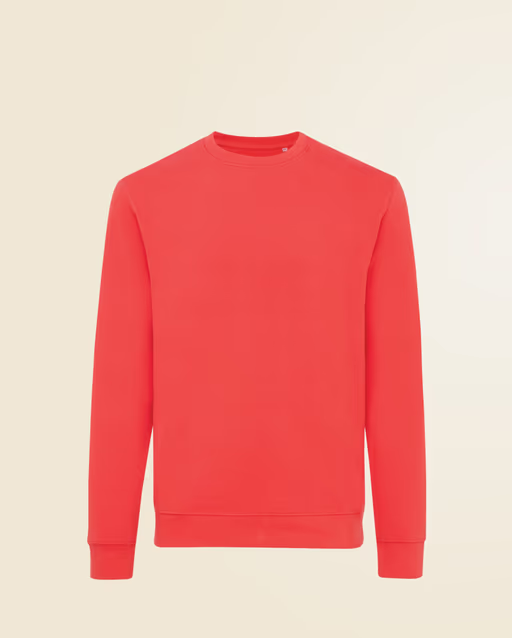
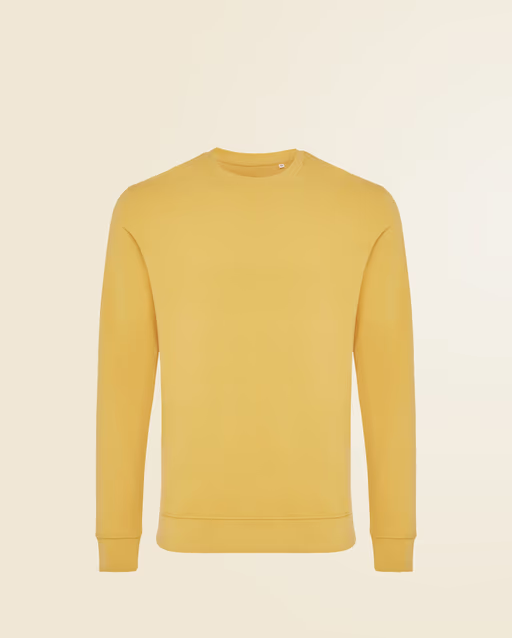
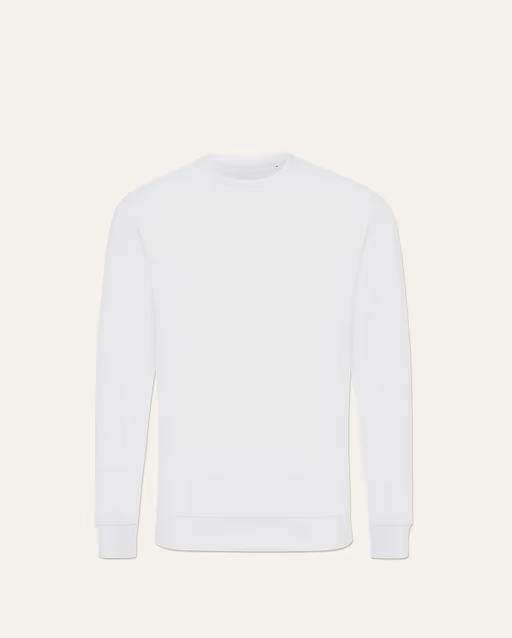
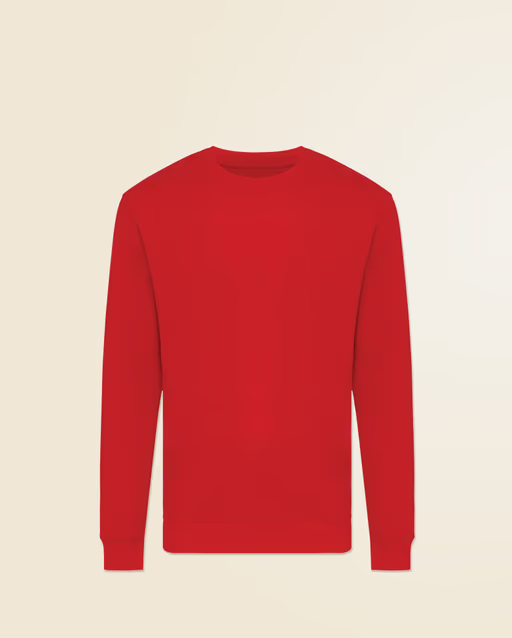
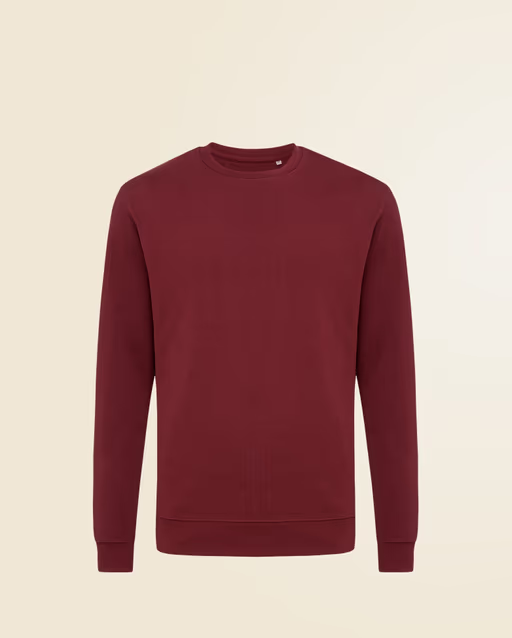
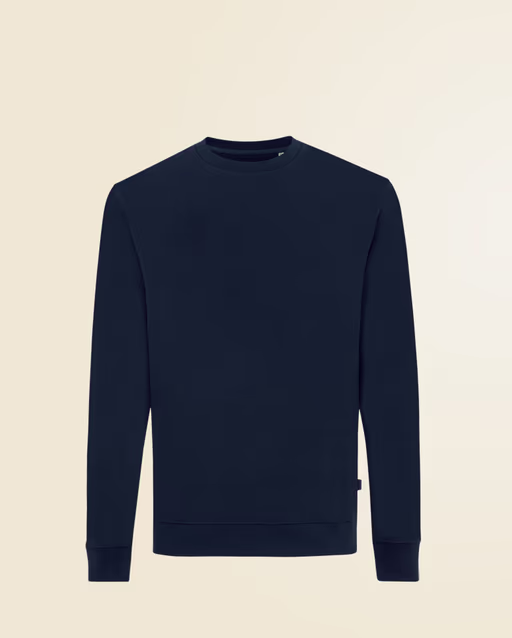
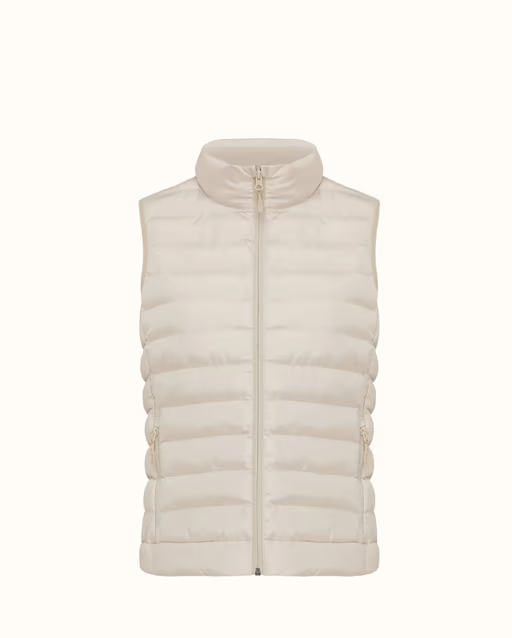
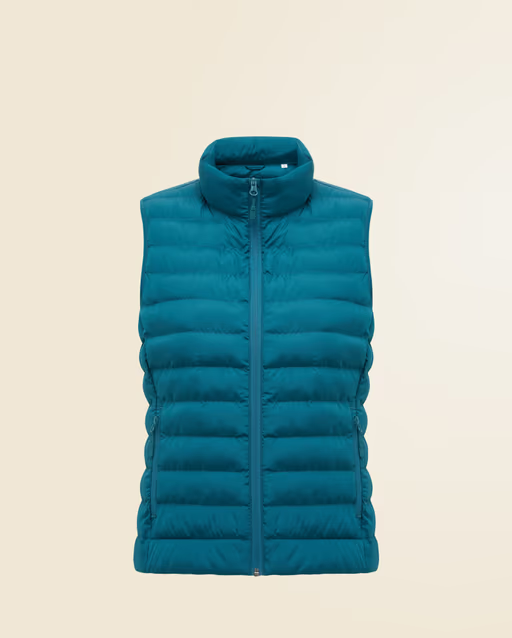
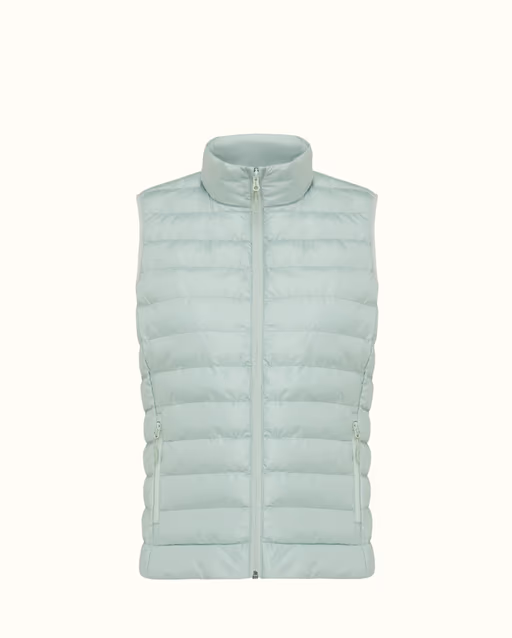
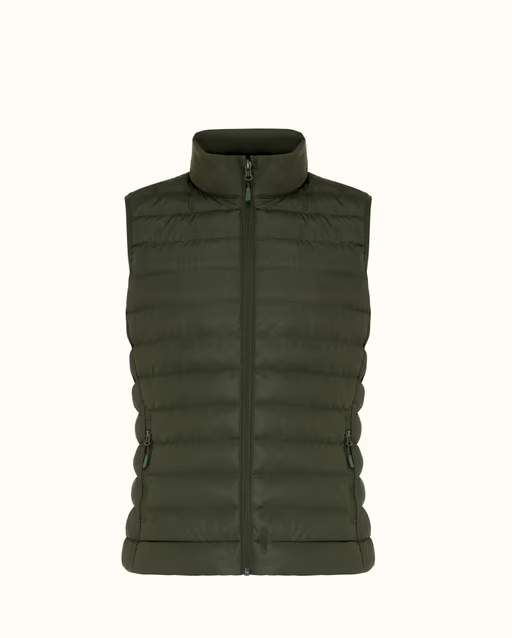
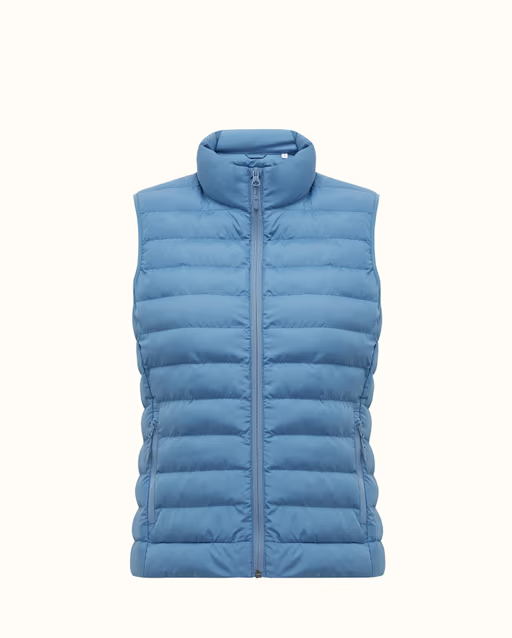
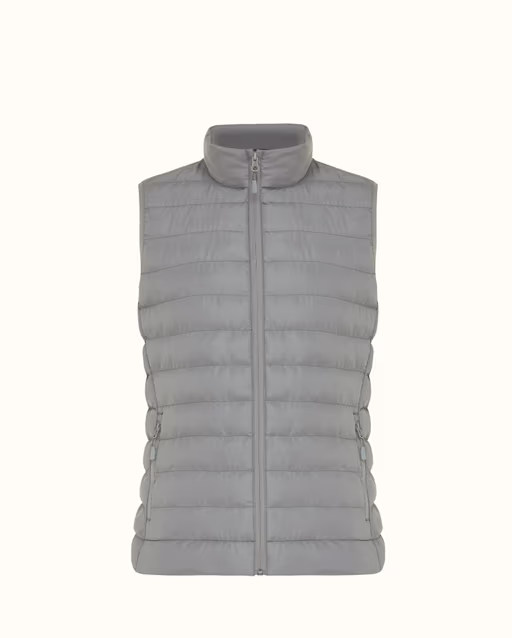
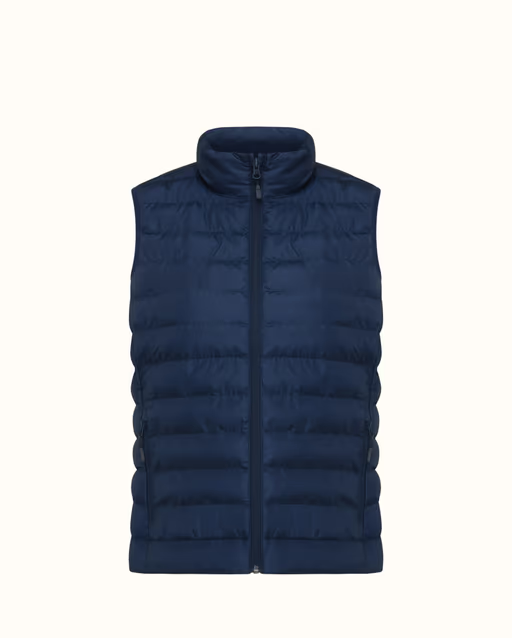
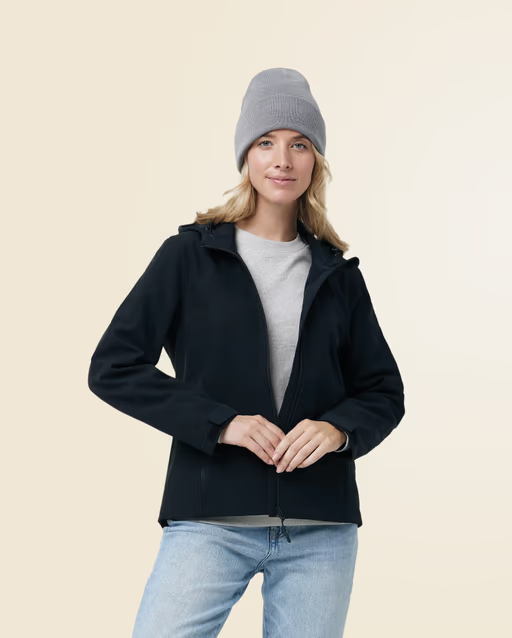
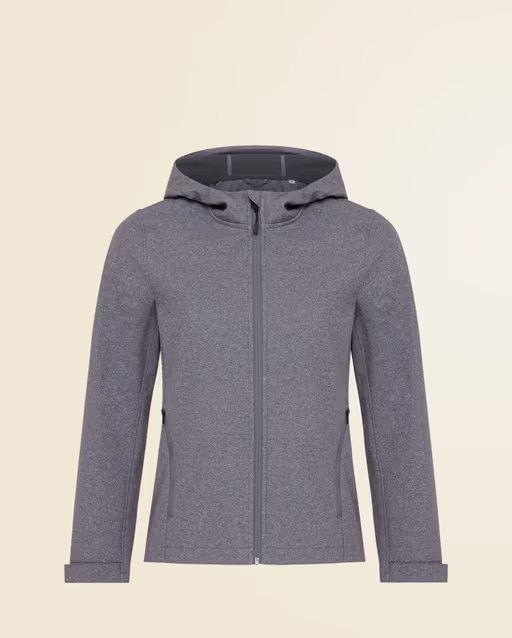
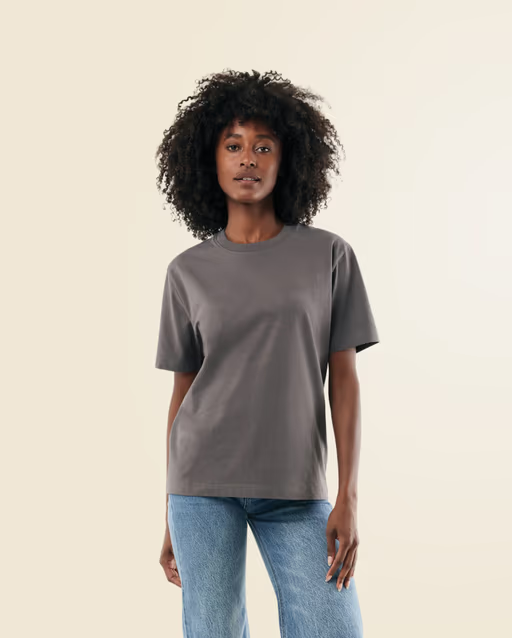
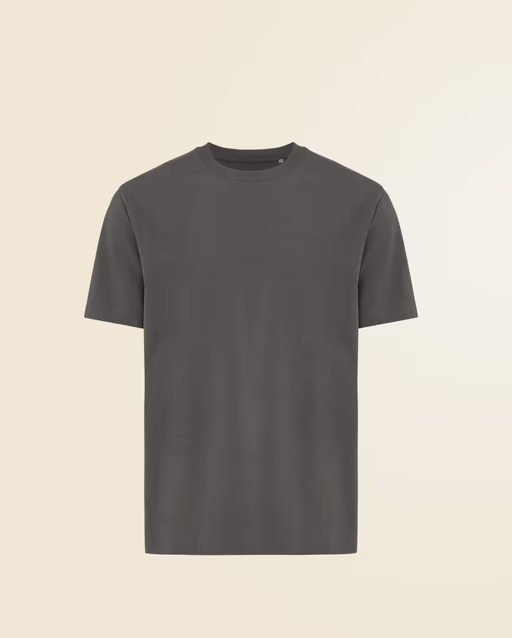
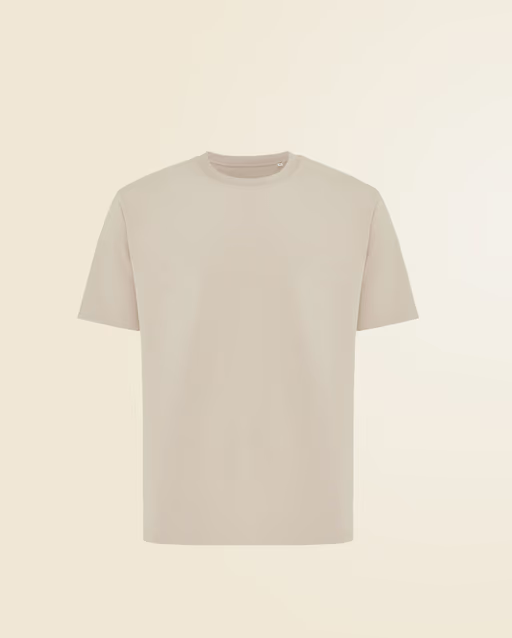
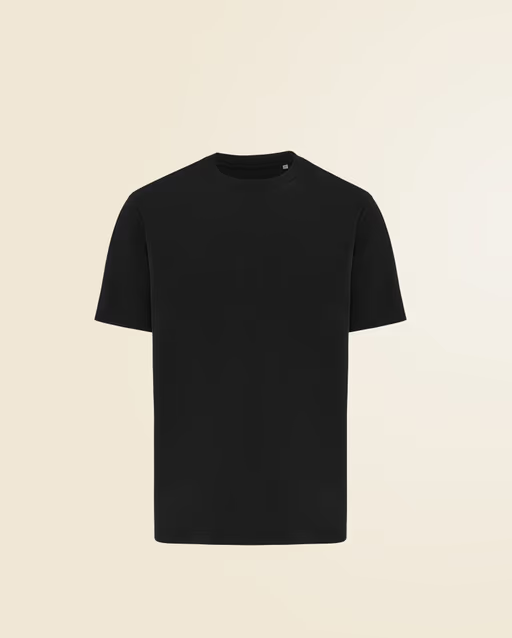
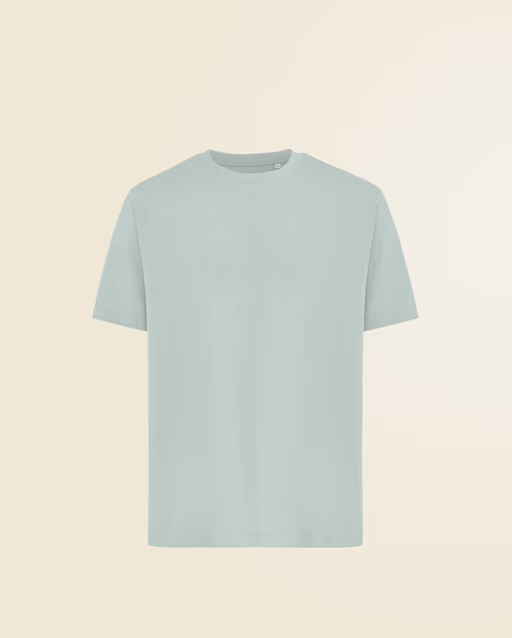
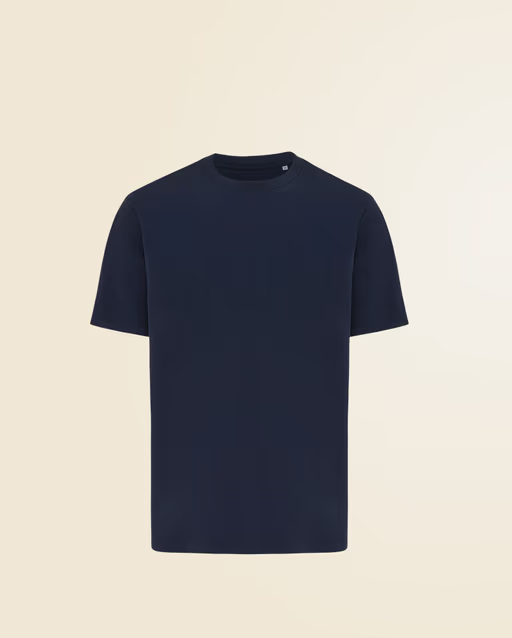
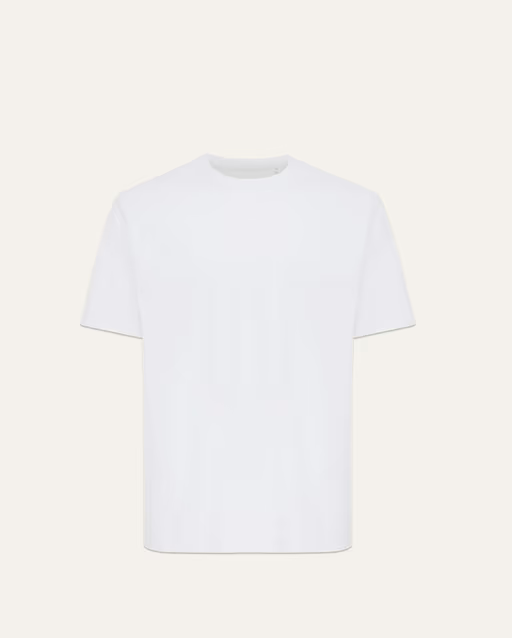
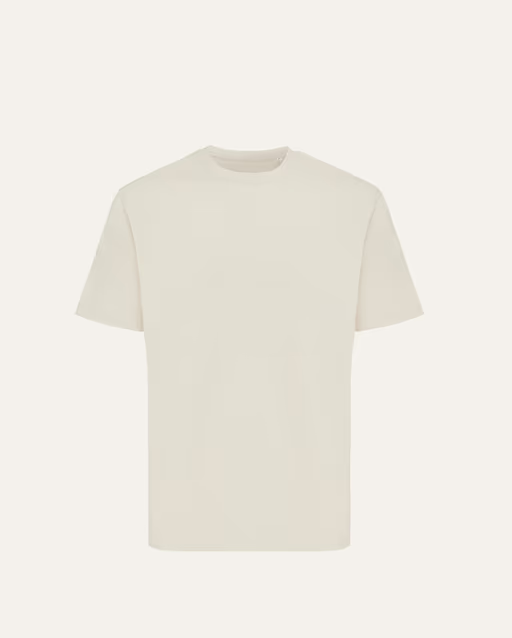
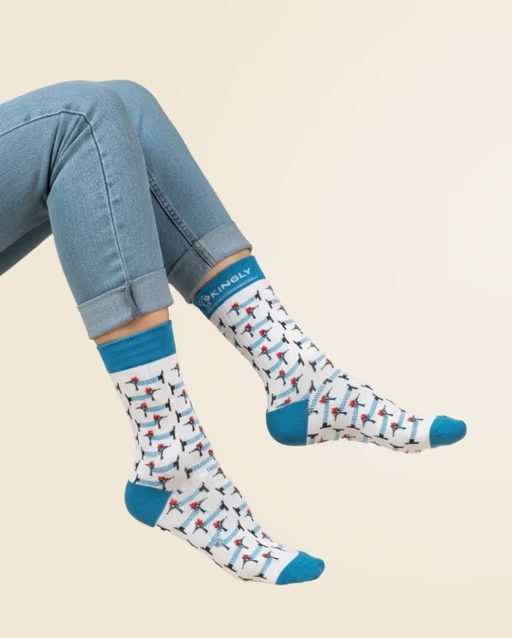
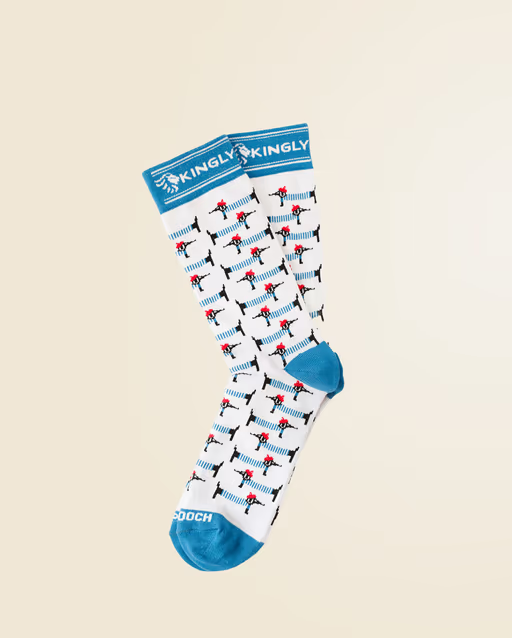
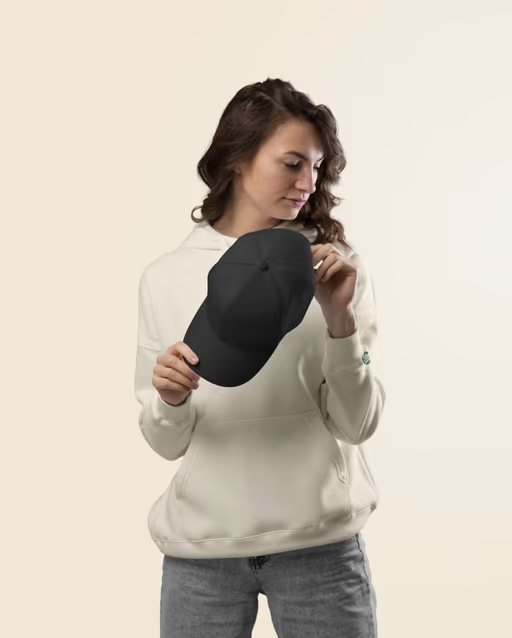
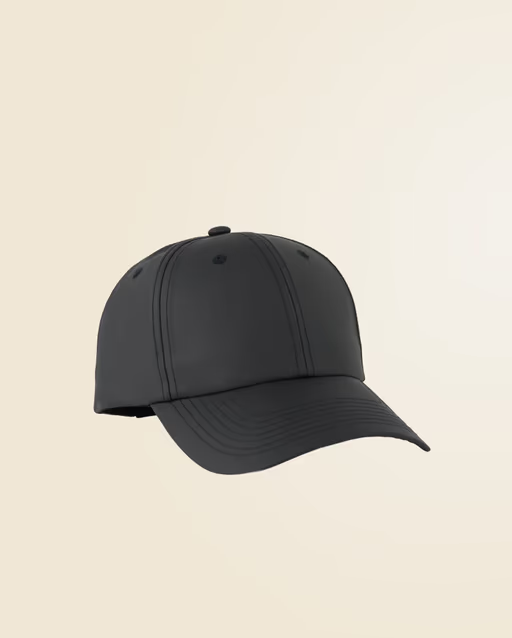
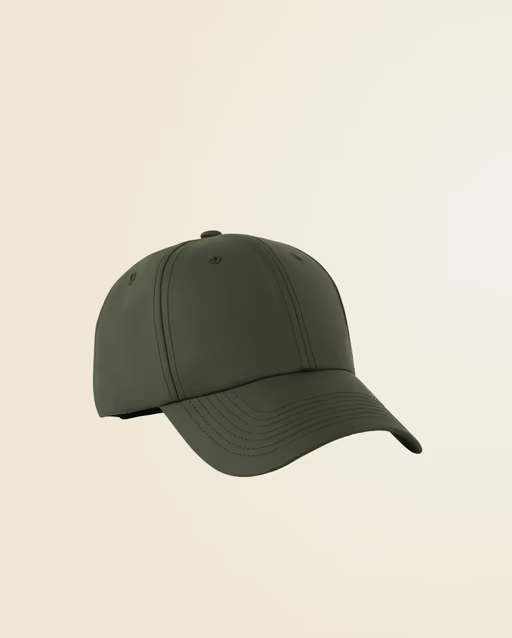
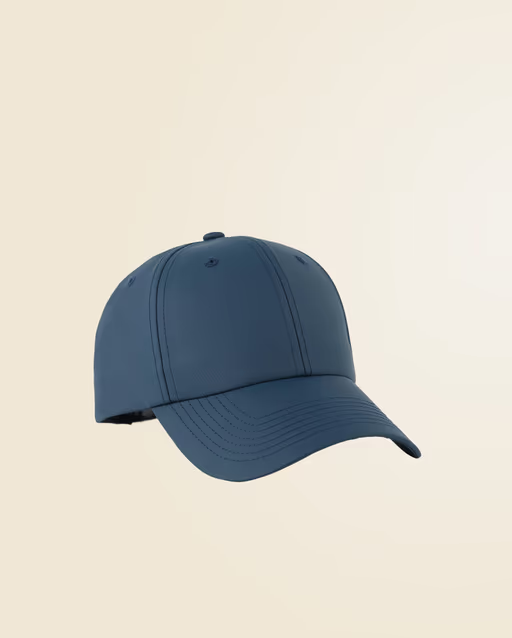
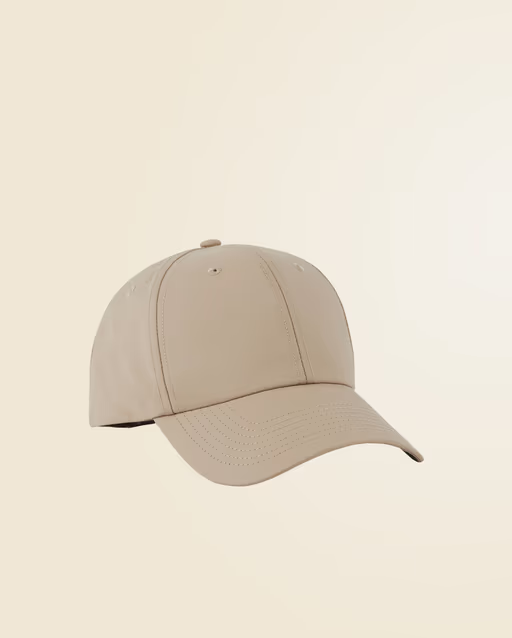
The range covers the full spectrum of company apparel: t-shirts and heavyweight tees for everyday and event use, hoodies and crew necks for culture packs and colder months, polo shirts for client-facing teams, and hats, beanies, and baseball caps to complete a kit. Everything is printed in-house, with production taking around 8 business days, and shipped to any EU address as individual items or in bulk.
The warehousing model solves the size problem for recurring programs
For companies running onboarding kits or recurring gifting programs, the size coordination problem for branded clothing has a cleaner solution than collecting sizes before every order. Produce a size mix once - based on your typical team distribution - store it with us, and ship the right size to each new hire as they join. The 20-unit minimum applies at production, not per shipment. That means one production run covers months of individual fulfillment, and the coordination work happens once instead of every time someone new joins the team.
The garment choice signals how much the company values the recipient
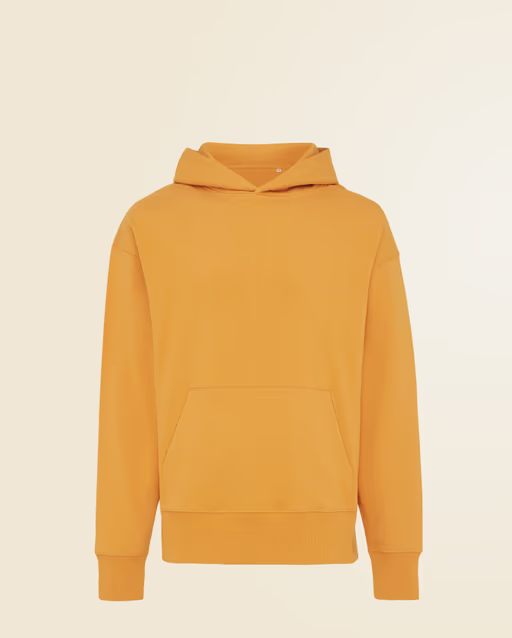
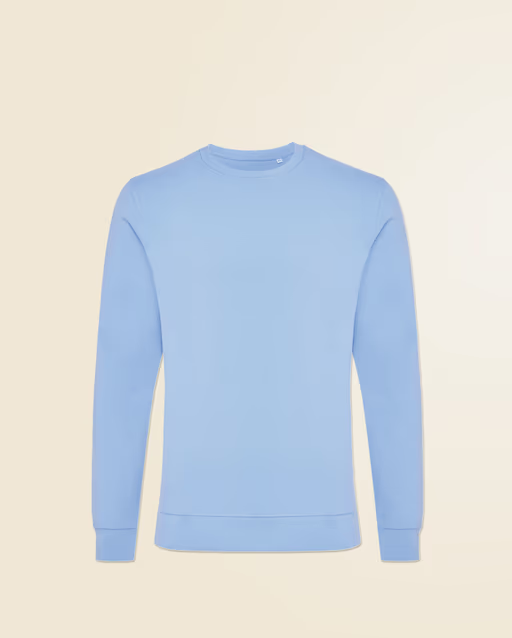
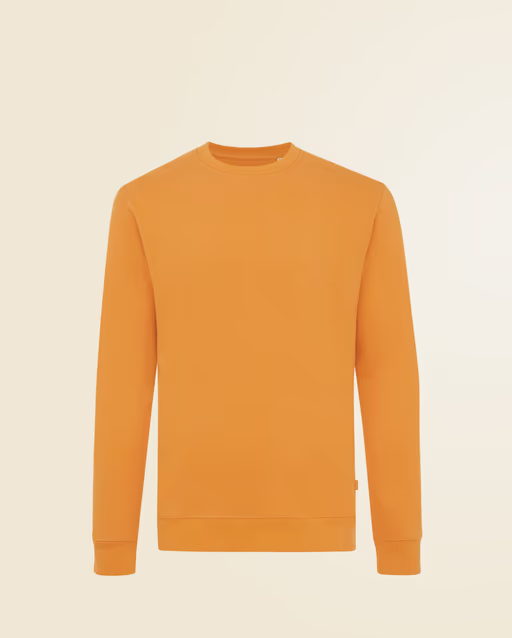
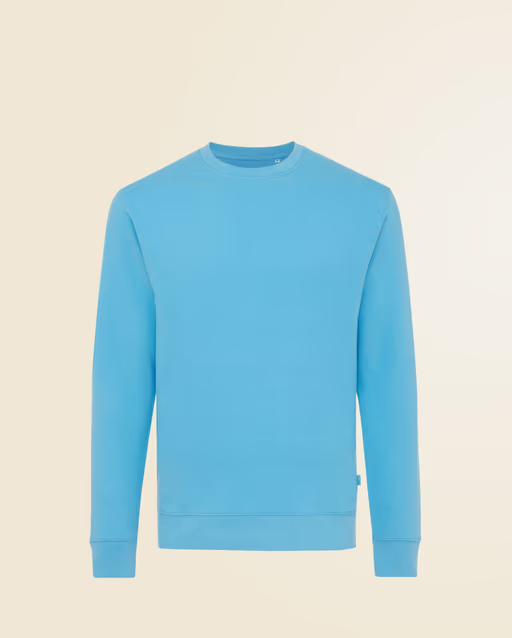
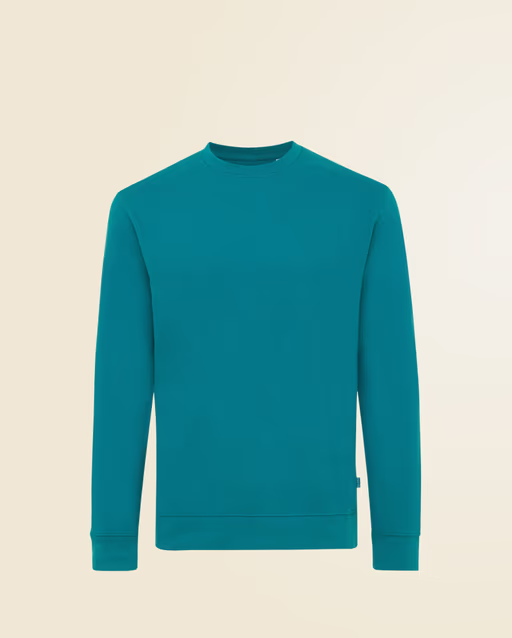
A basic promotional tee for a conference giveaway sends a different message than a heavyweight hoodie in a welcome kit. A polo shirt for client-facing staff reads differently from an organic crew neck for an internal culture pack. The range isn't variety for its own sake - each piece of branded clothing carries a different weight, both literally and in terms of what it communicates. Getting the right garment for the right program is a conversation worth having early.
Branded clothing worn outside only works if people actually want to wear it
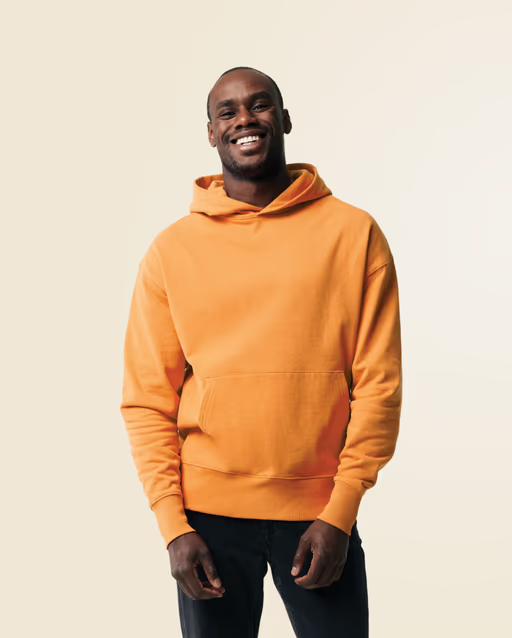
A hoodie or a t-shirt worn during a commute, on weekends, or at the gym is the closest thing to outdoor advertising in the merch catalog. It travels beyond the office, beyond the team, and into everyday life. But that only happens if the recipient chooses to wear it.
The problem with a lot of company clothing is that it doesn't look like something someone would choose. A large chest logo, a full-back print with the company name and event date, a stiff promotional fit - these are signals that the item is a work artifact, not a piece of clothing. It goes in a drawer after the first wash, and the outdoor media opportunity disappears with it.
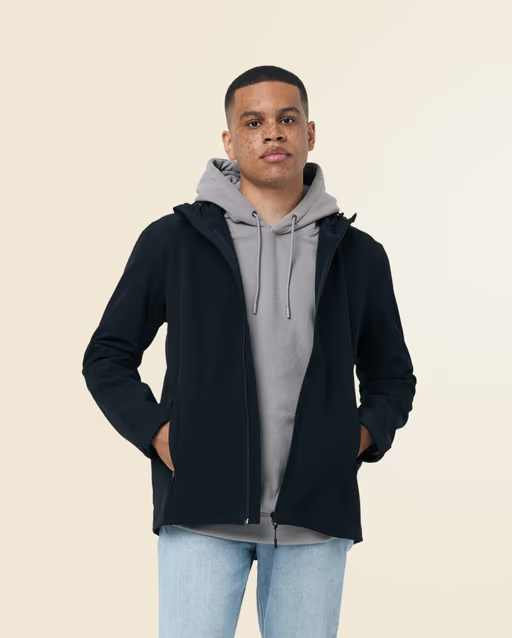
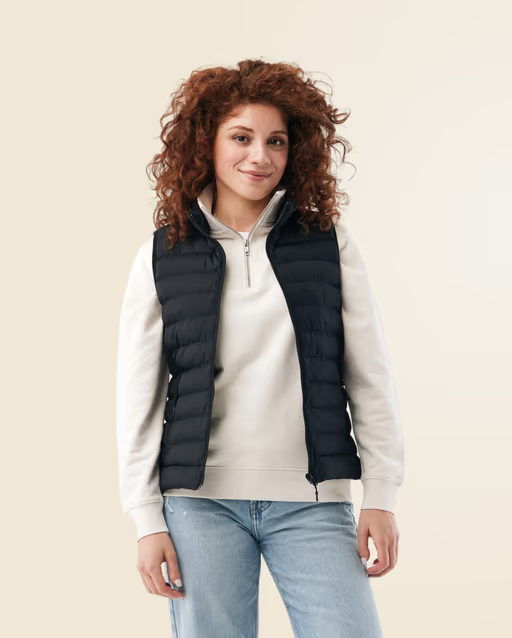
The best-performing branded clothing today looks like retail apparel. Minimal, considered logo placement. A quality fabric that justifies wearing. A cut that fits. When the design is approached that way - clothing first, company mark second - people wear it regularly, and the reach of the item multiplies. This is worth thinking about at the design stage, before the mockup is approved, not after.
Organic and recycled options across the range
GOTS-certified organic cotton, recycled fabrics, and responsibly sourced materials are available across the branded clothing range - not just in selected items. For companies with ESG commitments, procurement requirements, or sustainability reporting, the material choice is part of the brief. We can advise on what certification documentation is available for each product and what the difference between certified organic and recycled content means in practice.
Print method shapes the feel of the result
A clean silkscreen logo on a heavyweight hoodie produces a different result from a full-color DTF graphic on a lightweight tee - and both are valid, depending on what the design calls for. Silkscreen is the standard for precise, single or two-color marks at scale. DTF handles full-color artwork, detailed graphics, and smaller quantities. The method gets matched to the garment and the design during the mockup stage, so the final result looks the way it was intended to.